How to Prepare Your Home for an Off-Grid Solar System

Solar Knowledge Base
Base

Solar Knowledge Base

Introduction

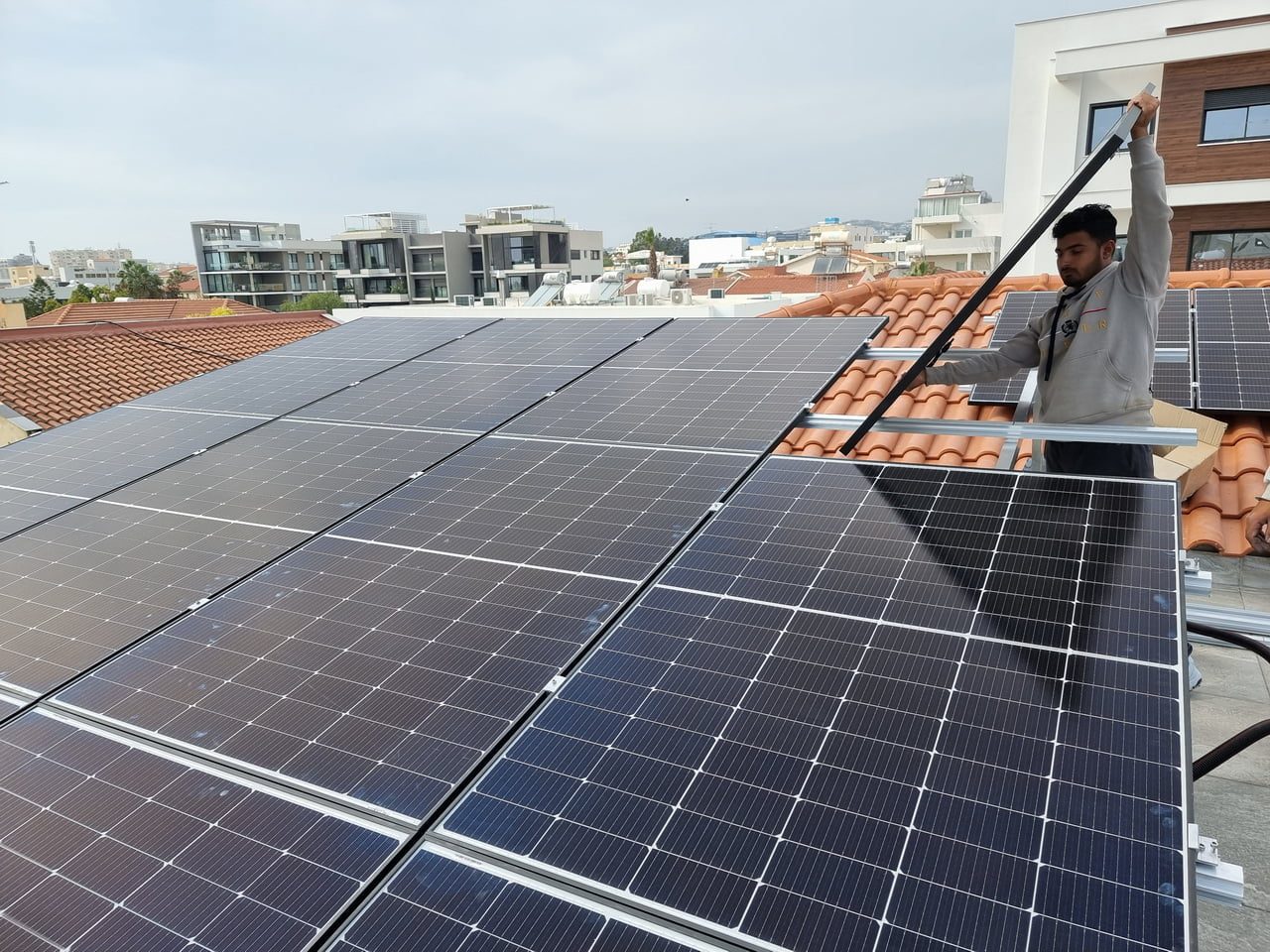
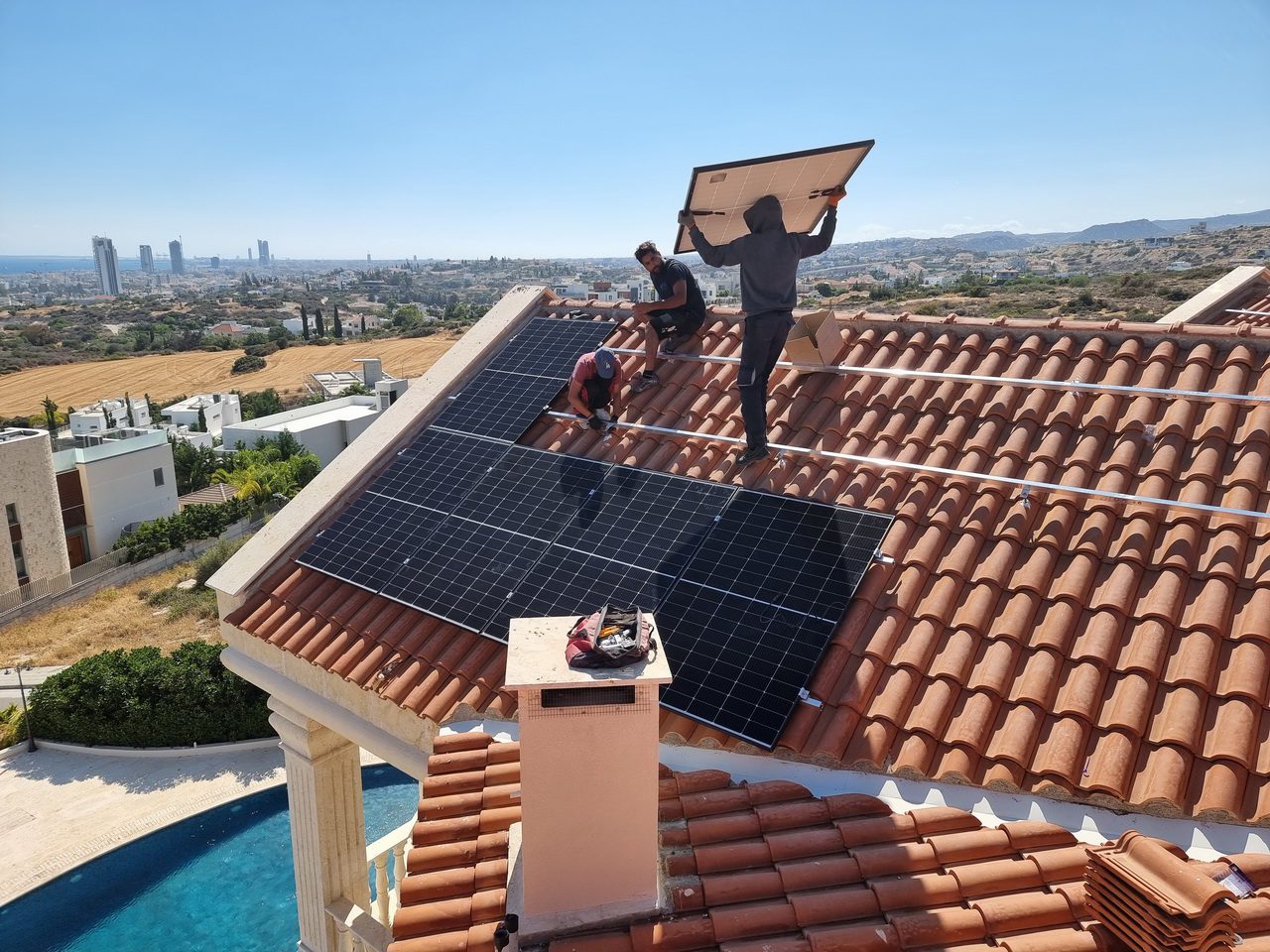
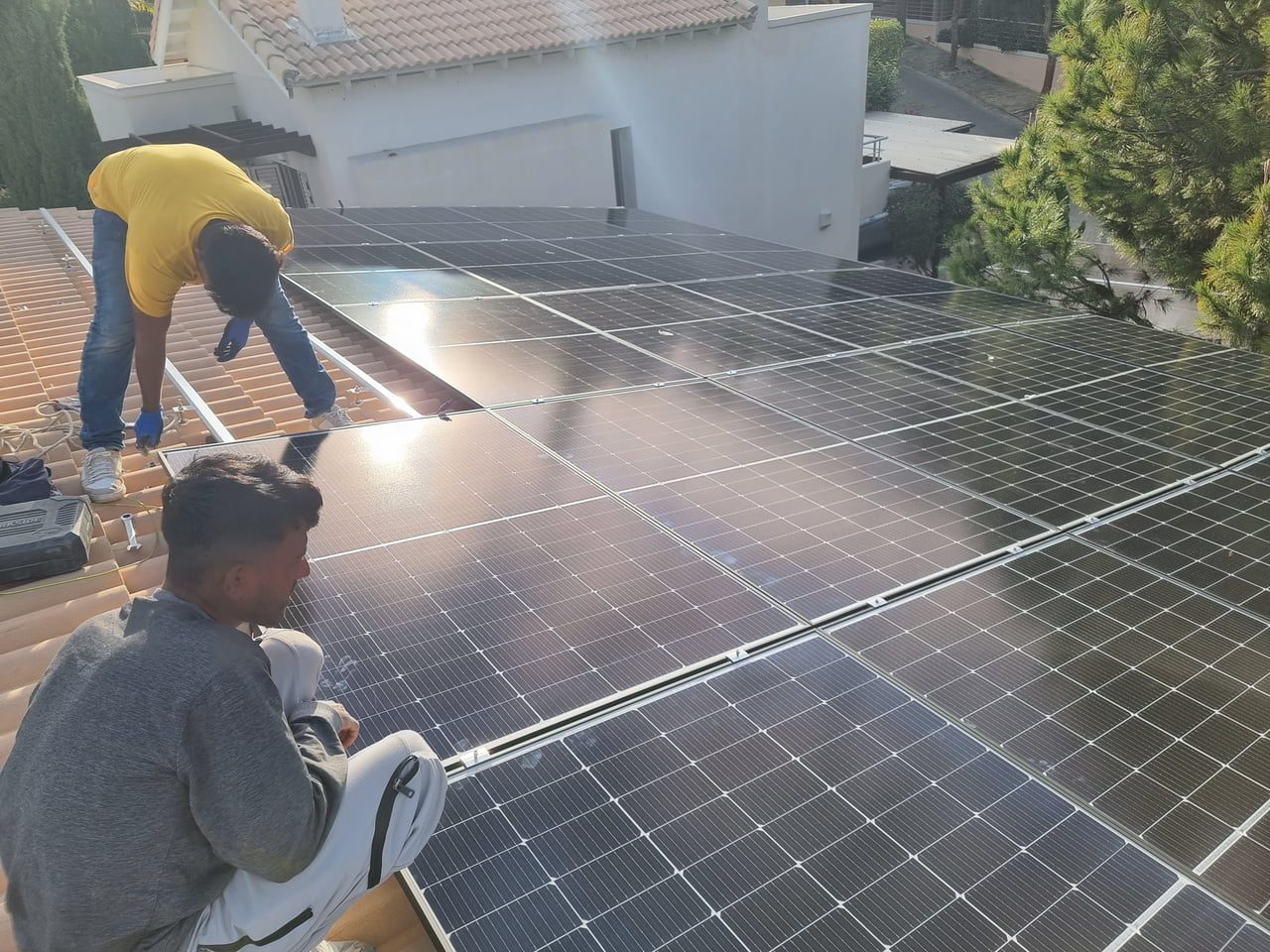
Installing an Off-Grid Solar System is an exciting step towards energy independence. However, achieving the best results starts long before the first solar panel is installed.

A professional assessment of your property helps ensure the system is designed to match your home’s energy needs, roof layout, and future plans. Proper preparation also makes the installation process smoother and more efficient.

In this guide, we’ll explain what homeowners in Cyprus can expect before installation begins.

Review Your Energy Consumption

The first step is understanding how much electricity your household uses.

Your installer will usually review:

  • Average electricity consumption
  • High-energy appliances
  • Daytime and evening usage
  • Seasonal changes in demand
  • Future electricity requirements

This information helps determine the correct size of your Off-Grid Solar System.

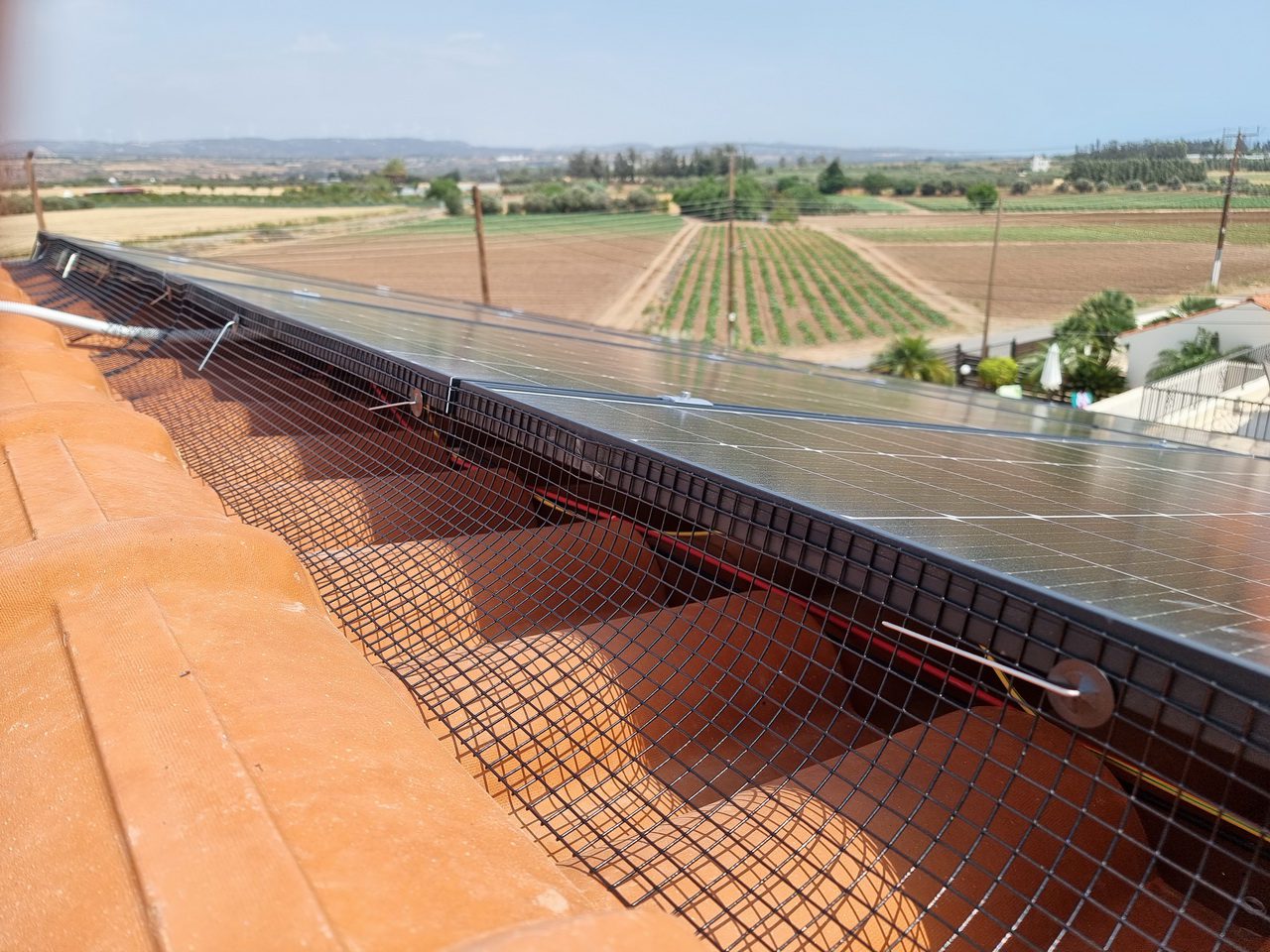
Inspect the Roof

The roof is one of the most important parts of the installation.

During the site survey, professionals check:

  • Roof condition
  • Available installation area
  • Roof orientation
  • Structural integrity
  • Potential shading from nearby buildings or trees

Most homes in Cyprus are well suited for solar installations, but every property is different.

Choose the Right Location for Batteries

Battery storage should be installed in a suitable location that is clean, dry, and well ventilated.

When selecting the installation area, installers consider:

  • Easy access for maintenance
  • Protection from direct weather exposure
  • Adequate ventilation
  • Safe operating temperatures
  • Space for possible future expansion

Careful planning helps ensure long-term reliability.

Check the Electrical System

Before installation, the home’s electrical system should be evaluated.

Professional installers inspect:

  • Main distribution board
  • Existing wiring
  • Electrical protection devices
  • Available installation space
  • Overall system condition

If improvements are required, they can be completed before the solar system is installed.

Consider Future Energy Needs

Many homeowners add new electrical equipment after installing solar.

Examples include:

  • Electric vehicle chargers
  • Swimming pools
  • Additional air conditioning
  • Home offices
  • Outdoor lighting

Planning for future expansion today can reduce upgrade costs later.

Internet Connection for Smart Monitoring

Many modern energy systems include remote monitoring.

A stable internet connection allows homeowners to:

  • Monitor solar production
  • View battery status
  • Track electricity consumption
  • Receive system notifications
  • Access performance reports remotely

This makes everyday energy management much easier.

Why SolarCity Cyprus Uses Sigenergy

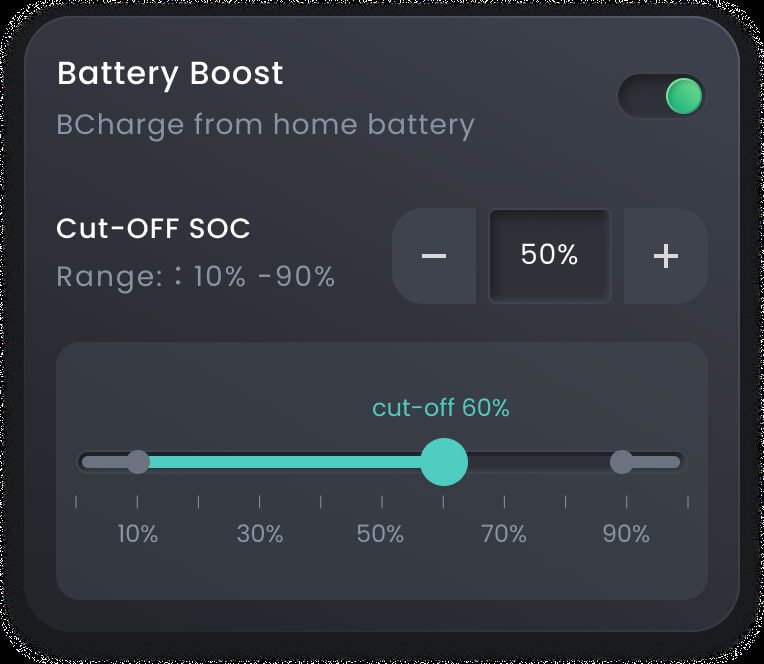
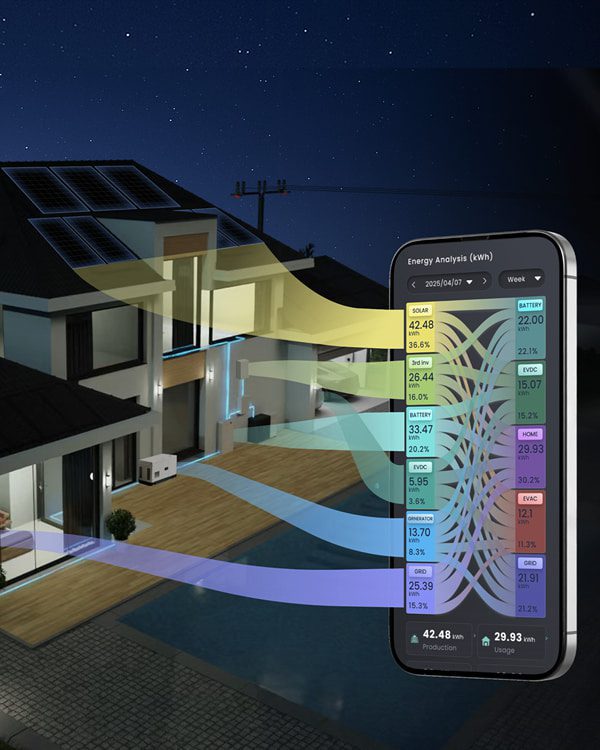
At SolarCity Cyprus, we install advanced Sigenergy energy storage systems that combine solar generation, battery storage, and intelligent monitoring in one integrated solution.

This provides homeowners with:

  • Real-time system monitoring
  • Intelligent energy management
  • Reliable battery performance
  • Easy-to-use mobile application
  • Flexible system expansion

The result is a modern energy solution designed for long-term reliability and convenience.

Preparing for Installation Day

Before the installation team arrives, homeowners can help by:

  • Providing clear access to the work areas
  • Removing vehicles from the driveway if necessary
  • Ensuring access to the electrical panel
  • Informing installers about any recent electrical work
  • Discussing any special requirements in advance

Good preparation helps the installation proceed smoothly.

💡 Expert Tip

Don’t focus only on today’s electricity usage.

Think about how your family’s energy needs may change over the next 5–10 years. A system designed with future expansion in mind is often the most cost-effective solution.

📘 Did You Know?

A professional site survey often identifies small improvements—such as optimising panel placement or equipment location—that can significantly improve the long-term performance of an Off-Grid Solar System.

Conclusion

Preparing your home is an important part of a successful Off-Grid Solar System installation.

By assessing your roof, electrical system, battery location, and future energy requirements, professional installers can design a solution that delivers reliable performance for many years.

Working with an experienced installer helps ensure every part of the system is carefully planned before installation begins.

Frequently Asked Questions

Do I need a new roof before installing solar panels?

Not necessarily. A professional inspection will determine whether your existing roof is suitable.

Where should the batteries be installed?

Batteries are typically installed in a clean, dry, and well-ventilated location with easy access for servicing.

Will my electrical system need upgrading?

Many homes are already suitable, but older electrical systems may require improvements before installation.

Is internet access required?

Internet access is recommended if you want to use remote monitoring and receive real-time system updates.

Can I expand my system later?

Yes. Many modern Off-Grid Solar Systems, including those using Sigenergy technology, can be designed to allow future expansion.

Related Articles

  • All Posts
  • Off-Grid Solar System
  • Solar Buyer's Guide
  • Solar System Installation
Load More

End of Content.

Solar_Logo

SolarCity Cyprus is here to help you harness the power of the sun and contribute to a brighter, cleaner energy future for Cyprus and beyond.

Contact Info

© Copyright SolarCity Cyprus | All Rights Reserved