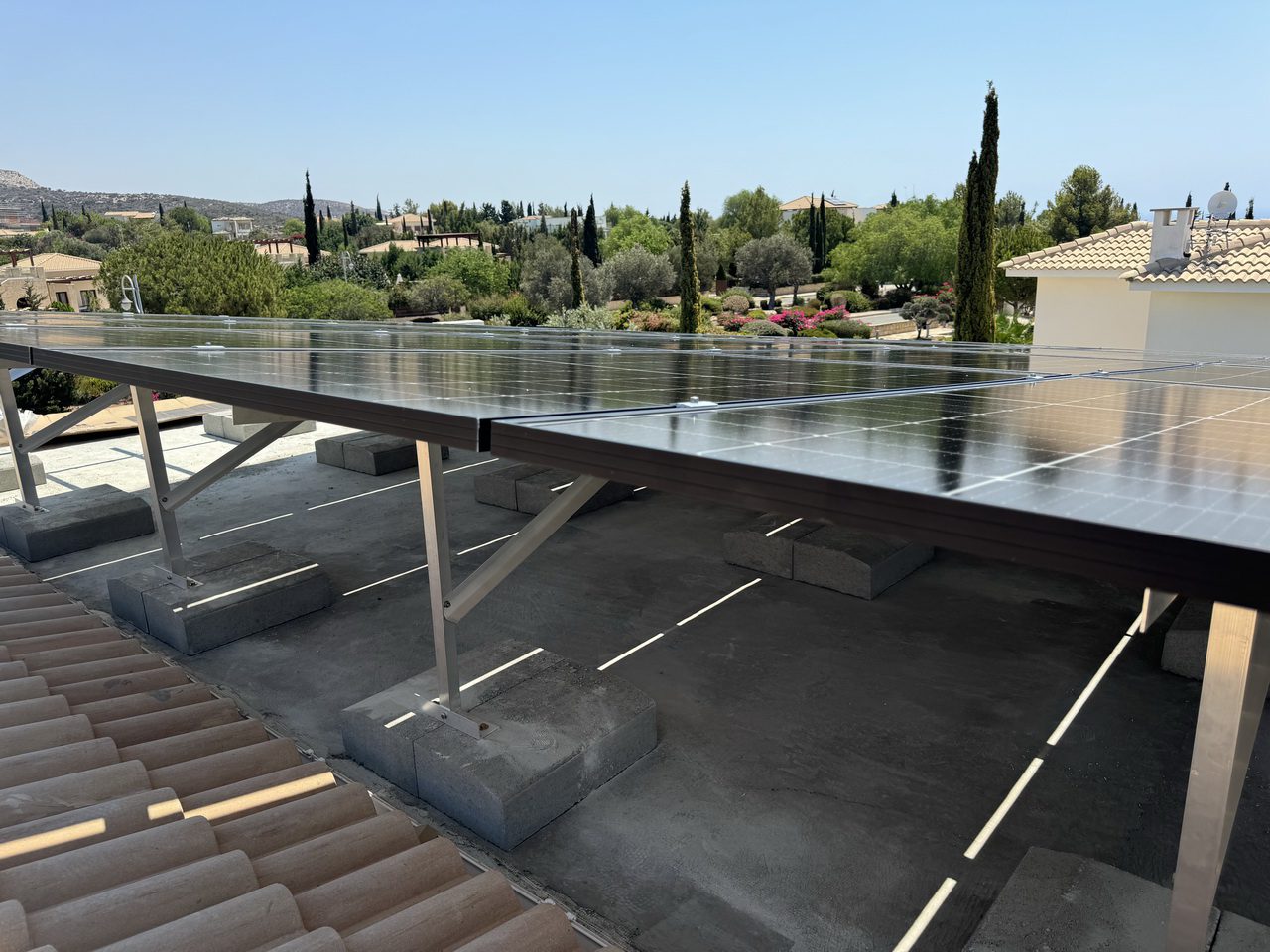
How Much Roof Space Do You Need for an Off-Grid Solar System?

Solar Knowledge Base
Base

Solar Knowledge Base

Introduction

One of the first questions homeowners ask when considering solar energy is whether their roof is large enough for an Off-Grid Solar System.

The good news is that many homes in Cyprus have more than enough space to accommodate a well-designed solar installation. However, the required roof area depends on several important factors, including your daily energy consumption, the efficiency of the solar panels, and the available installation surface.

Understanding these factors can help you plan your project with confidence.

Why Roof Space Matters

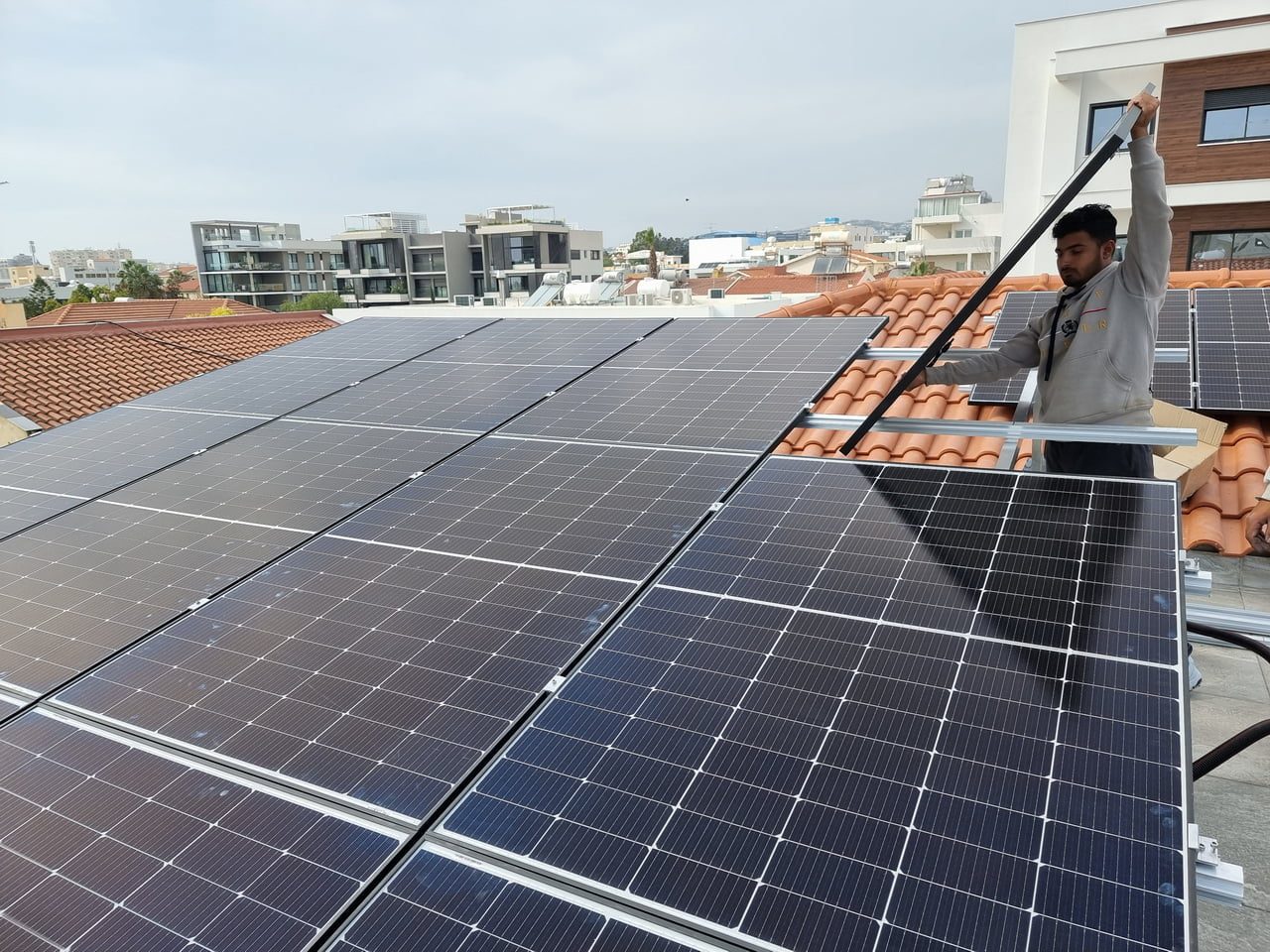
Solar panels generate electricity by capturing sunlight. The more energy your household requires, the more solar panels are usually needed.

However, modern high-efficiency solar panels generate significantly more electricity than older models, meaning fewer panels may be required to produce the same amount of energy.

A professional system design aims to maximise energy production while making the best use of the available roof space.

What Determines the Required Roof Space?

Several factors influence how much space your Off-Grid Solar System will require.

Daily Electricity Consumption

Homes with higher electricity usage generally require more solar panels.

For example, energy consumption increases if your property uses:

  • Air conditioning
  • Electric water heating
  • Swimming pool equipment
  • Electric vehicle charging
  • Multiple household appliances

Understanding your daily energy needs is the first step in designing the right system.


Solar Panel Efficiency

Not all solar panels produce the same amount of electricity.

High-efficiency panels generate more power per square metre, allowing larger systems to fit into smaller spaces.

This is especially useful for homes where roof space is limited.


Roof Shape

The shape of your roof also affects installation.

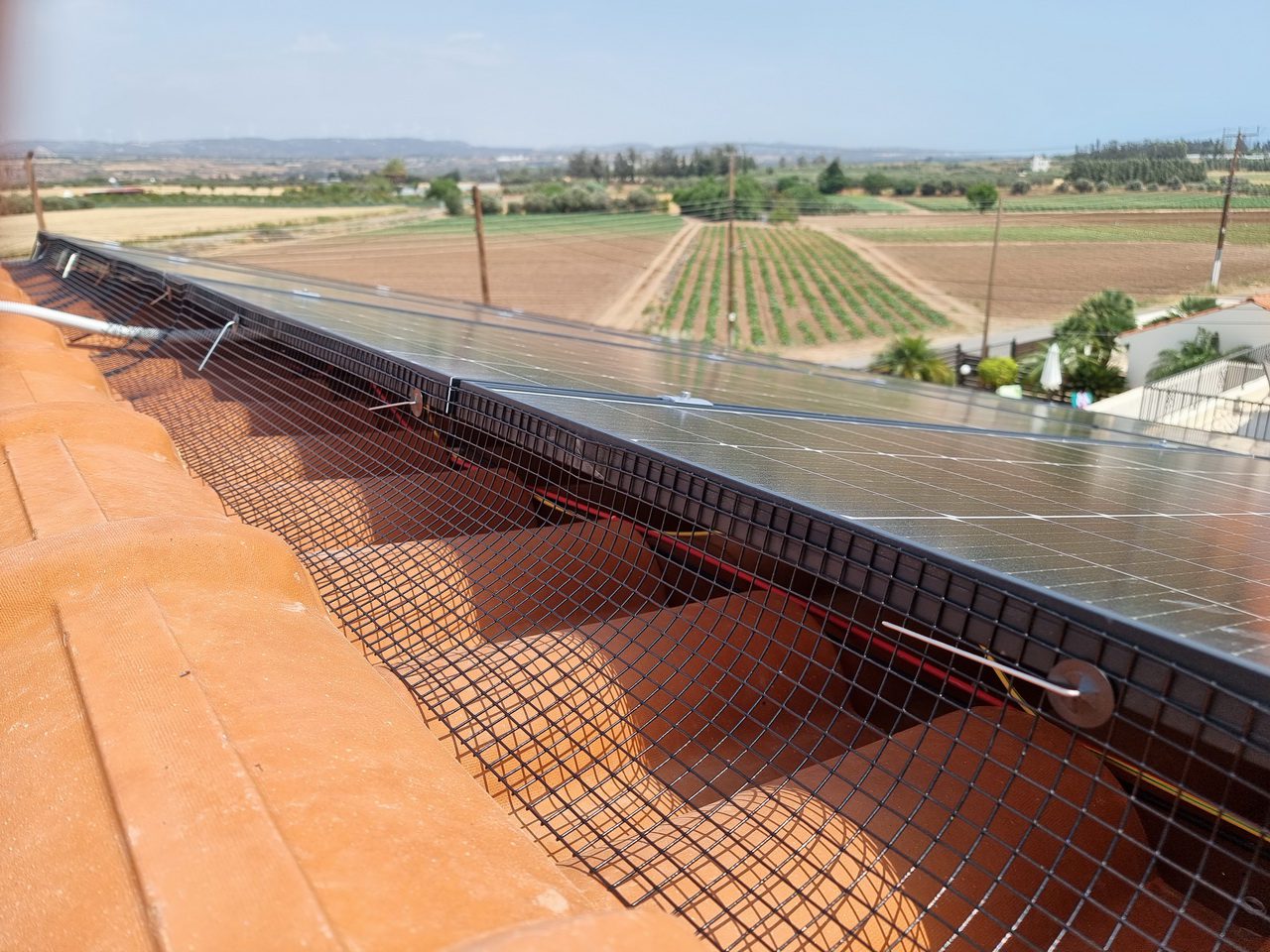
Simple roof designs usually provide more usable area than roofs with multiple sections, dormers, skylights, or chimneys.

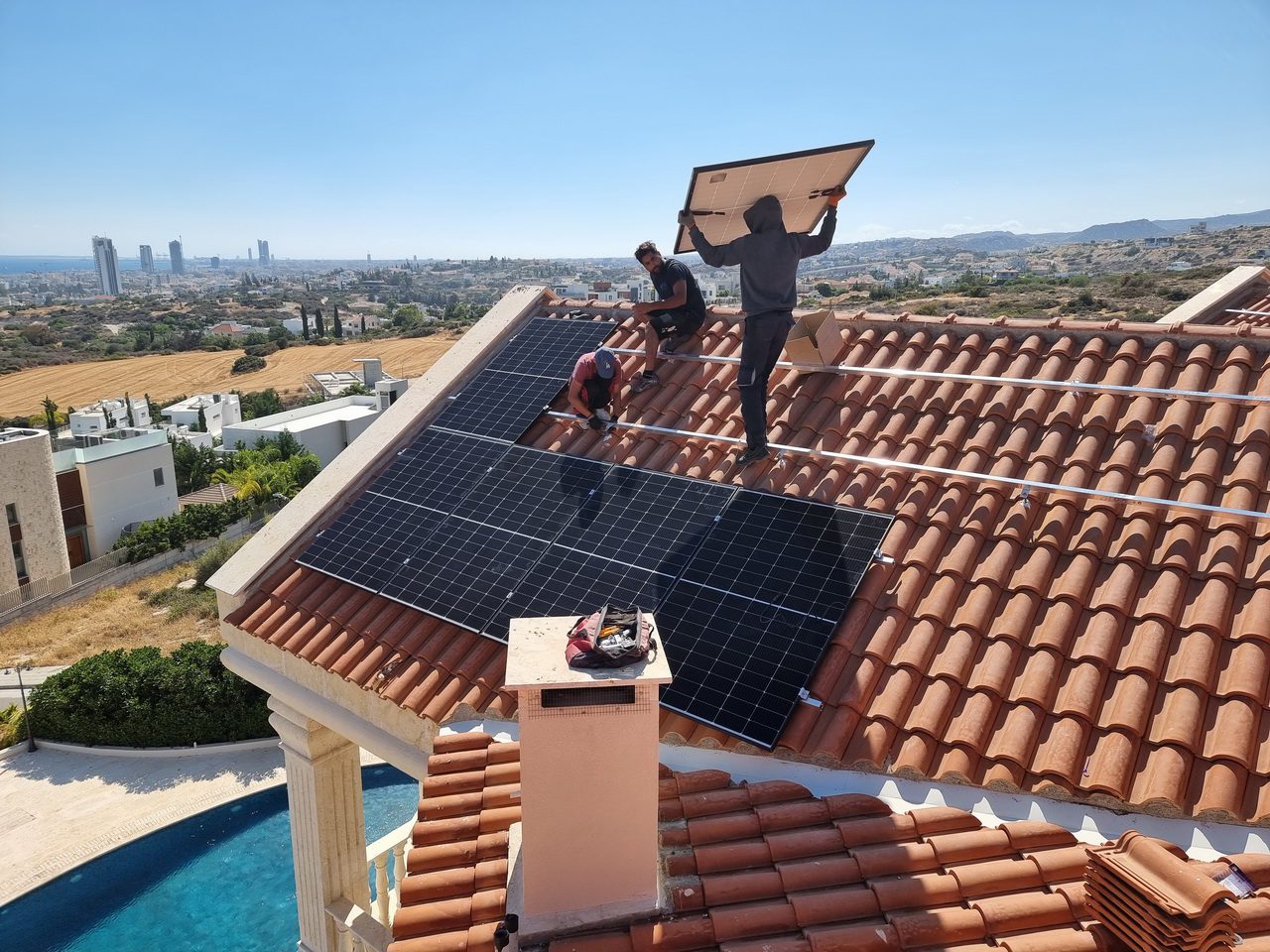
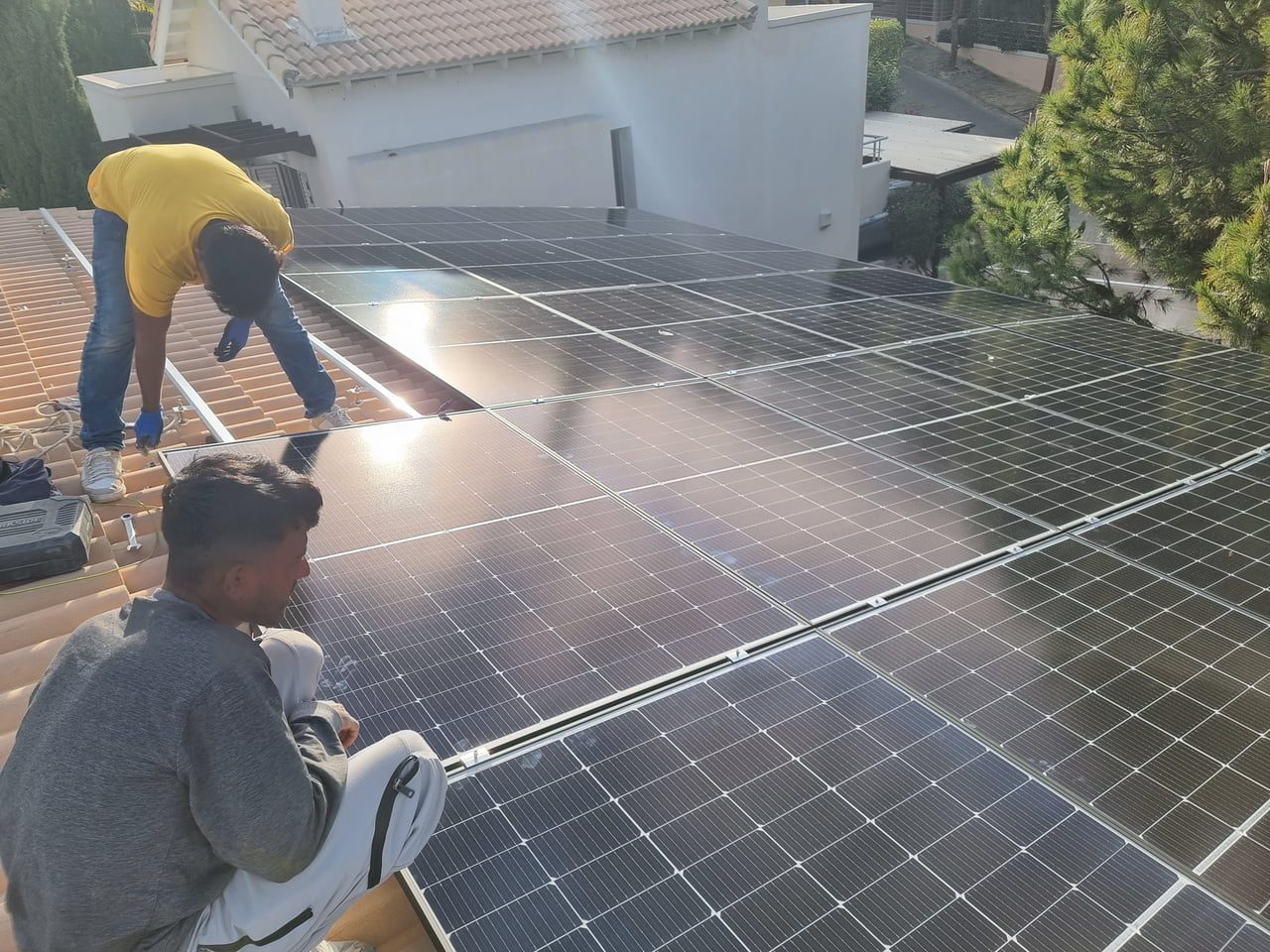
Professional installers carefully position the panels to maximise available space.


Roof Orientation

In Cyprus, roof orientation plays an important role in solar energy production.

Roofs that receive unobstructed sunlight throughout the day generally provide the best performance.

Even if your roof is not ideally positioned, modern system design can often achieve excellent results.


Shading

Trees, neighbouring buildings, chimneys, and other structures may create shadows that reduce panel performance.

During the site assessment, installers evaluate shading throughout the day to determine the best panel layout.

Minimising shading helps maximise annual energy production.

Can Solar Panels Be Installed on Small Roofs?

Yes.

Many homeowners are surprised to learn that even relatively small roofs can support an efficient Off-Grid Solar System.

Modern high-performance panels make it possible to generate substantial amounts of electricity using less space than was required just a few years ago.

Every property should be assessed individually to determine the most effective layout.

What If My Roof Isn't Suitable?

A roof is not the only option.

Depending on your property, solar panels can also be installed on:

  • Ground-mounted structures
  • Garages
  • Carports
  • Agricultural buildings
  • Custom steel frames

Ground-mounted systems are particularly popular for rural homes and farms where additional land is available.

Planning for Future Energy Needs

When calculating roof space, it’s important to think beyond your current electricity consumption.

You may later decide to add:

  • A swimming pool
  • Additional air conditioning
  • An electric vehicle
  • Outdoor lighting
  • A home office

Designing the system with future expansion in mind can make upgrades much easier.


Why Professional Design Is Essential

Every home is different.

A professional solar assessment considers:

  • Available roof area
  • Roof orientation
  • Shading
  • Structural condition
  • Daily energy consumption
  • Future electricity requirements

This ensures the system delivers reliable performance while making the best use of your available space.


Testing and Commissioning

Before the system is handed over, every component is thoroughly tested.

Engineers verify:

  • Solar energy production
  • Battery charging
  • Inverter operation
  • Safety systems
  • Monitoring software

Only after successful testing is the system placed into normal operation.

Learning to Use Your System

A professional installation doesn’t end when the equipment is switched on.

Homeowners are shown how to:

  • Monitor energy production
  • Check battery status
  • Review electricity consumption
  • Understand system alerts

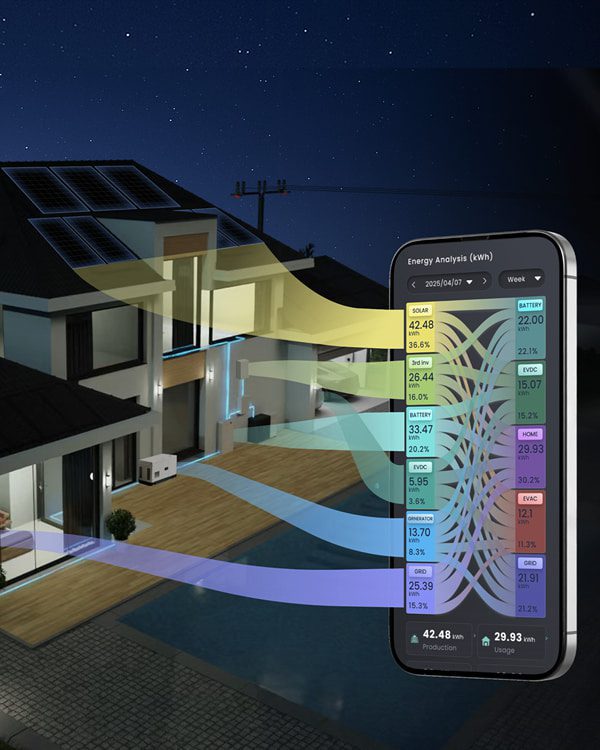
Most modern systems include smartphone or web-based monitoring, making it easy to follow system performance from anywhere.

Benefits of a Well-Planned Installation

A properly designed Off-Grid Solar System offers several advantages:

  • Maximum energy production
  • Efficient use of roof space
  • Better long-term performance
  • Easier maintenance
  • Flexibility for future expansion

Careful planning also improves the overall appearance of the installation.

Expert Tip

Don’t assume that a larger roof automatically means a better solar system.

The quality of sunlight, roof orientation, and panel efficiency are often more important than the total roof size. A smaller, well-positioned roof can sometimes outperform a much larger roof with poor sun exposure.

Did You Know?

Modern monocrystalline solar panels are considerably more efficient than earlier generations, allowing homeowners to generate more electricity using fewer panels. This makes solar energy a practical option even for properties with limited roof space.

Conclusion

Most homes in Cyprus have enough roof space for an efficient Off-Grid Solar System. The exact number of solar panels depends on your energy consumption, roof design, panel efficiency, and future electricity needs.

A professional site assessment is the best way to determine how much roof space is required and to ensure your system is designed for maximum performance and long-term reliability.

Frequently Asked Questions

How much roof space does an Off-Grid Solar System need?

The required roof space depends on your electricity consumption, the efficiency of the solar panels, and the available installation area.

Can I install solar panels on a small roof?

Yes. High-efficiency solar panels make it possible to generate significant amounts of electricity even on smaller roofs.

Does roof orientation matter?

Yes. Roofs with good sunlight exposure generally produce more electricity throughout the year.

Can solar panels be installed on the ground instead of the roof?

Absolutely. Ground-mounted systems are an excellent solution when roof space is limited or unsuitable.

Should I allow extra roof space for future expansion?

Yes. Planning for future energy needs can simplify upgrades if your electricity consumption increases later.

Related Articles

  • All Posts
  • Off-Grid Solar System
  • Solar System Installation
Load More

End of Content.

Solar_Logo

SolarCity Cyprus is here to help you harness the power of the sun and contribute to a brighter, cleaner energy future for Cyprus and beyond.

Contact Info

© Copyright SolarCity Cyprus | All Rights Reserved