
Off-Grid Solar System Cost Cyprus
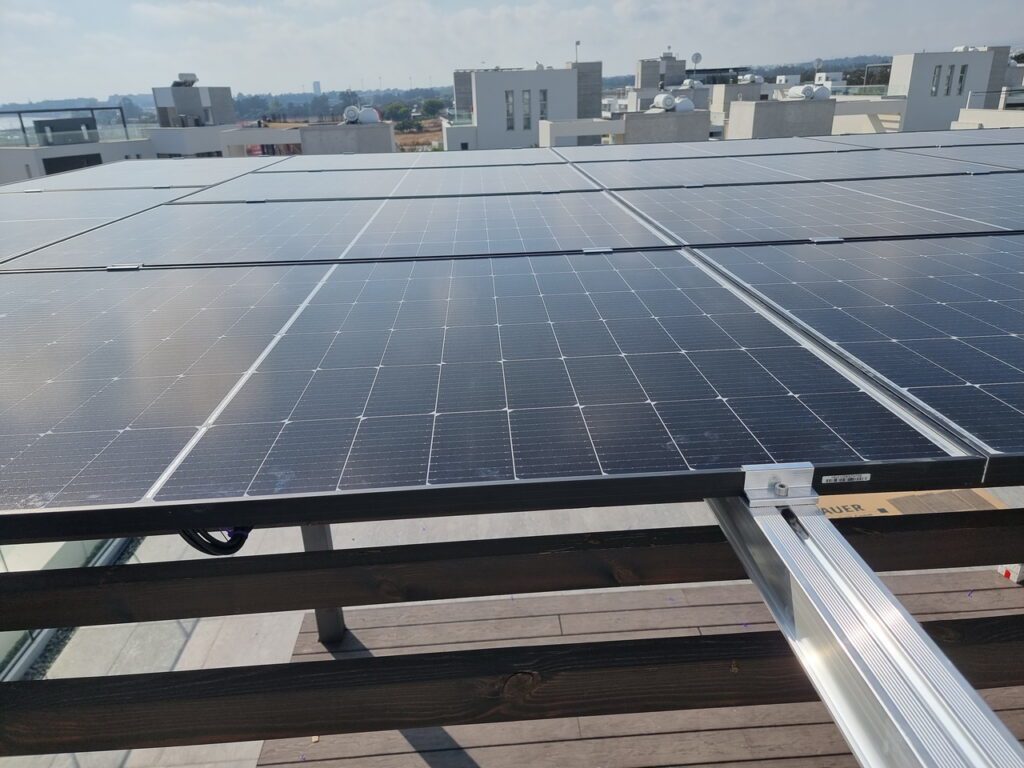
Understanding the Cost of an Off-Grid Solar System in Cyprus Helping Cyprus Homeowners Choose the Right Off-Grid Solar Solution Get a Free Quote! Buyer’s Guide Solar Knowledge Base Introduction One of the first questions homeowners ask is: “How much does an Off-Grid Solar System cost?” The answer depends on several factors. Every home has different energy requirements, and every solar installation should be designed to match the homeowner’s lifestyle, electricity consumption, and future plans. Instead of looking for a single price, it is more useful to understand what influences the overall investment. Every Home Is Different No two homes have exactly the same energy needs. Several factors influence the size and cost of a solar system, including: Household electricity consumption Number of occupants Air conditioning usage Battery storage requirements Roof size and layout Future expansion plans Electric vehicle charging Swimming pools or other high-energy equipment For this reason, professional installers design each system individually. What Makes Up the Total Cost? An Off-Grid Solar System includes several major components working together. These typically include: Solar panels Battery storage Hybrid inverter Mounting structures Electrical protection equipment Monitoring system Professional installation System commissioning Each component plays an important role in long-term reliability and performance. Why Battery Storage Is a Major Investment Battery storage is one of the most valuable parts of an Off-Grid Solar System. It allows homeowners to: Store excess solar energy Use electricity after sunset Improve energy independence Support essential household appliances Rather than choosing the largest battery available, it is usually better to select a capacity that matches the household’s actual energy requirements. Quality Matters More Than Initial Price It may be tempting to compare systems based only on the purchase price. However, long-term value also depends on: Equipment reliability Battery technology Monitoring capabilities Expandability Installation quality Manufacturer support A professionally designed system often provides better long-term performance than a lower-cost alternative. Planning for Future Expansion Many homeowners expand their energy requirements over time. Future additions may include: Electric vehicle charging More air conditioning Swimming pools Home extensions Additional battery storage Selecting equipment that supports future expansion can reduce upgrade costs later. Smart Energy Management with Sigenergy At SolarCity Cyprus, we install advanced Sigenergy systems designed to maximise the value of every solar installation. Key features include: Intelligent energy management Modular battery expansion Real-time monitoring Automatic battery optimisation Easy control through a mobile application These features help homeowners optimise energy usage while preparing for future growth. Why Professional Design Saves Money A professional assessment helps avoid both undersized and oversized systems. Experienced designers evaluate: Household electricity consumption Daily usage patterns Seasonal energy demand Roof characteristics Future lifestyle changes The goal is to recommend a solution that delivers the right balance between performance, flexibility, and investment. Common Mistakes to Avoid Looking Only at the Lowest Price The least expensive system is not always the best long-term investment. Buying More Than You Need Oversized systems may increase costs without providing additional practical benefits. Ignoring Future Plans Planning for future energy requirements can reduce upgrade costs later. Comparing Systems Without Understanding Their Components Two systems with similar prices may include very different equipment, battery technologies, and monitoring features. 💡 Expert Tip Think in terms of long-term value rather than upfront cost. A reliable Off-Grid Solar System should continue serving your household efficiently for many years while remaining flexible enough to adapt to future needs. 📘 Did You Know? Many homeowners discover that investing in high-quality equipment with intelligent monitoring and expandable battery storage provides greater long-term value than choosing the lowest initial price. Conclusion The cost of an Off-Grid Solar System in Cyprus depends on your home’s unique energy requirements and the quality of the equipment selected. Rather than focusing on a single price, homeowners should consider long-term reliability, battery storage, future expansion, and professional installation. With advanced Sigenergy technology and expert system design, SolarCity Cyprus helps homeowners invest in energy solutions that deliver lasting value, reliable performance, and greater energy independence. Frequently Asked Questions Why doesn’t every Off-Grid Solar System cost the same? Every home has different electricity consumption, battery requirements, and future energy plans, so each system is individually designed. What has the biggest impact on the total cost? Battery storage, system size, equipment quality, installation complexity, and future expansion requirements all influence the final investment. Should I choose the lowest-priced system? Not necessarily. Long-term reliability, monitoring features, battery technology, and installation quality are equally important. Can I reduce costs by expanding the system later? Many modern systems, including Sigenergy, support modular expansion, allowing homeowners to increase capacity as their energy needs grow. Why does SolarCity Cyprus use Sigenergy? SolarCity Cyprus installs Sigenergy because it combines intelligent energy management, modular battery expansion, advanced monitoring, and reliable long-term performance, helping homeowners maximise the value of their investment. 🔗 Related System Component Guides Guide 2.8 – Off-Grid Solar for Apartment Buildings in Cyprus Guide 2.9 – How Much Battery Storage Does a Cyprus Home Need? Guide 2.10 – How to Prepare Your Home for an Off-Grid Solar Installation Guide 3.2 – How to Calculate the Return on Investment of an Off-Grid Solar System (Coming Soon) Guide 3.3 – Is an Off-Grid Solar System Worth It in Cyprus? (Coming Soon) Related Articles All Posts Costs & Savings Off-Grid Solar System Solar Buyer's Guide Solar System Installation Off-Grid Solar System Cost Cyprus August 16, 2026/ Understanding the Cost of an Off-Grid Solar System in Cyprus Helping Cyprus Homeowners Choose the Right Off-Grid Solar Solution Get… Read More Prepare Your Home for Off-Grid Solar August 15, 2026/ How to Prepare Your Home for an Off-Grid Solar Installation Helping Cyprus Homeowners Choose the Right Off-Grid Solar Solution Get… Read More Choosing Battery Storage for Your Home August 14, 2026/ How Much Battery Storage Does a Cyprus Home Need? Helping Cyprus Homeowners Choose the Right Off-Grid Solar Solution Get a… Read More Off-Grid Solar for Apartment Buildings August 13, 2026/ Off-Grid Solar for Apartment Buildings in Cyprus Helping Cyprus Homeowners Choose the Right Off-Grid Solar Solution Get
Prepare Your Home for Off-Grid Solar
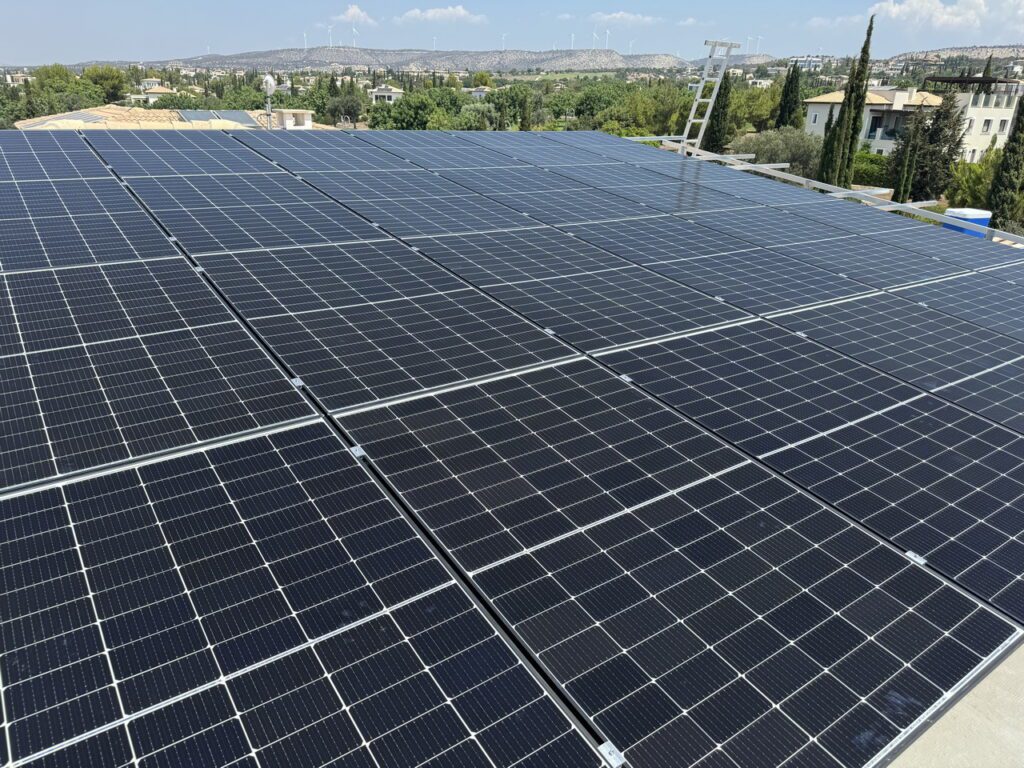
How to Prepare Your Home for an Off-Grid Solar Installation Helping Cyprus Homeowners Choose the Right Off-Grid Solar Solution Get a Free Quote! Buyer’s Guide Solar Knowledge Base Introduction Installing an Off-Grid Solar System is an exciting step towards greater energy independence. Proper preparation before installation helps ensure the project runs smoothly, reduces installation time, and allows your new system to perform at its best from day one. Fortunately, preparing your home is usually straightforward when you know what to expect. Schedule a Professional Site Survey Every successful installation begins with a detailed site assessment. During the survey, the installer evaluates: Roof condition Available installation space Solar panel orientation Potential shading Electrical distribution board Suitable location for the inverter and battery storage This information allows the system to be designed specifically for your property. Choose the Right Location for Equipment An Off-Grid Solar System includes several key components besides the solar panels. The inverter and battery storage should be installed in a location that is: Dry and well ventilated Easily accessible for maintenance Protected from direct sunlight Close to the electrical distribution board Secure from accidental damage Planning this location in advance simplifies the installation process. Ensure Safe Roof Access The installation team needs safe access to the roof. Before installation, it is helpful to: Remove unnecessary obstacles Ensure gates are unlocked if required Keep driveways clear for equipment delivery Inform the installer about any special access requirements Good preparation saves valuable installation time. Review Your Electrical System Your installer will inspect the existing electrical installation before work begins. This may include checking: The main electrical panel Earthing arrangements Existing wiring Circuit protection Available space for additional equipment If any upgrades are recommended, completing them before installation usually makes the project more efficient. Think About Future Expansion Even if your current energy needs are modest, it is worth discussing future plans with your installer. You may later wish to add: More battery storage Additional solar panels An electric vehicle charger Air conditioning A swimming pool A home extension Planning ahead today can reduce future installation costs. Smart Energy Management with Sigenergy At SolarCity Cyprus, we install intelligent Sigenergy energy storage systems designed for flexibility and long-term performance. Key features include: Modular battery expansion Real-time energy monitoring Intelligent charging management Mobile app control Automatic system optimisation These features help homeowners get the most from their investment while remaining ready for future energy needs. Prepare for Installation Day A few simple steps can help everything run smoothly. Before the installation team arrives: Ensure easy access to the property Keep installation areas clear Secure pets if necessary Inform household members about the work schedule Make sure someone is available to answer questions if needed Good communication helps avoid unnecessary delays. After Installation Once the installation is complete, your installer will explain how the system operates. You should become familiar with: The monitoring app Battery status information Energy production data Basic system indicators Routine maintenance recommendations Understanding your system helps you maximise its long-term performance. Common Mistakes to Avoid Waiting Until Installation Day to Choose Equipment Locations Deciding where batteries and the inverter will be installed in advance saves time and avoids last-minute changes. Ignoring Future Energy Requirements Think beyond your current needs and discuss possible future upgrades. Blocking Access to the Installation Area Easy access allows the installation team to work safely and efficiently. Skipping the Site Survey Every property is unique. A professional assessment ensures the system is designed correctly. 💡 Expert Tip Treat your solar installation like any major home improvement project. A little preparation before installation can make the entire process faster, easier, and more efficient. 📘 Did You Know? Many installation projects are completed more quickly when equipment locations, roof access, and electrical preparation have already been planned before the installation team arrives. Conclusion Preparing your home before installing an Off-Grid Solar System helps ensure a smooth and efficient installation. By planning equipment locations, reviewing your electrical system, and considering future energy needs, you can maximise the value of your investment from the very beginning. With professional planning, advanced Sigenergy technology, and expert installation from SolarCity Cyprus, homeowners can enjoy a reliable and future-ready energy solution designed for long-term performance. Frequently Asked Questions How long does it take to prepare a home for installation? Preparation is usually straightforward and mainly involves completing a site survey, selecting equipment locations, and ensuring safe access for the installation team. Do I need to upgrade my electrical system? Not always. Your installer will assess your existing electrical system and recommend any necessary improvements. Can I choose where the batteries and inverter will be installed? Yes. The final location is selected together with your installer, taking ventilation, accessibility, and safety into account. Should I plan for future expansion now? Yes. Discussing future plans before installation makes it easier to expand your system later if your energy needs change. Why does SolarCity Cyprus use Sigenergy? SolarCity Cyprus installs Sigenergy because it provides intelligent energy management, modular battery storage, advanced monitoring, and flexible expansion for modern Off-Grid Solar Systems. 🔗 Related System Component Guides Guide 2.5 – Off-Grid Solar System for Homes with Electric Vehicles Guide 2.6 – Off-Grid Solar System for a Home Office Guide 2.7 – Off-Grid Solar System for Small Businesses Guide 2.8 – Off-Grid Solar for Apartment Buildings in Cyprus Guide 2.9 – How Much Battery Storage Does a Cyprus Home Need? Guide 3.1 – Understanding the Cost of an Off-Grid Solar System in Cyprus (Coming Soon) Related Articles All Posts Costs & Savings Off-Grid Solar System Solar Buyer's Guide Solar System Installation Off-Grid Solar System Cost Cyprus August 16, 2026/ Understanding the Cost of an Off-Grid Solar System in Cyprus Helping Cyprus Homeowners Choose the Right Off-Grid Solar Solution Get… Read More Prepare Your Home for Off-Grid Solar August 15, 2026/ How to Prepare Your Home for an Off-Grid Solar Installation Helping Cyprus Homeowners Choose the Right Off-Grid Solar Solution Get… Read More Choosing Battery Storage for Your Home August
Choosing Battery Storage for Your Home
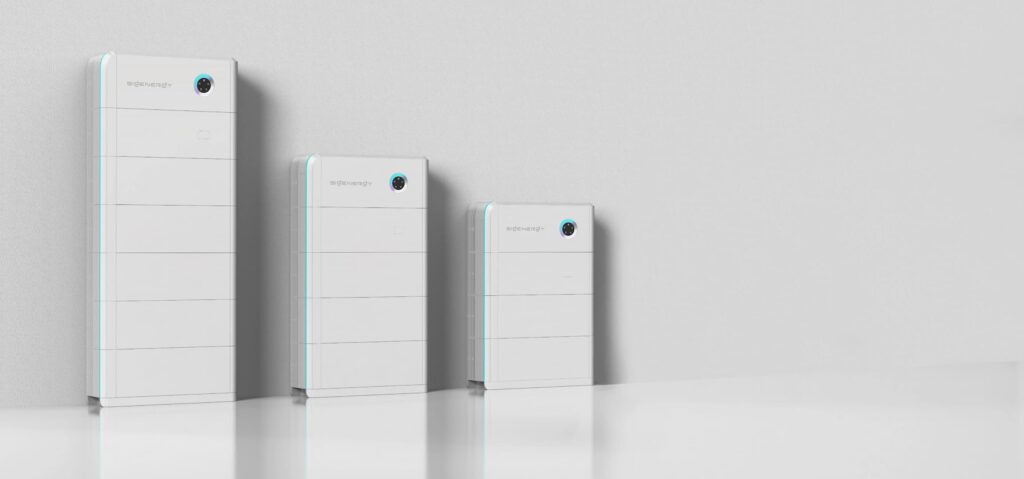
How Much Battery Storage Does a Cyprus Home Need? Helping Cyprus Homeowners Choose the Right Off-Grid Solar Solution Get a Free Quote! Buyer’s Guide Solar Knowledge Base Introduction Battery storage is one of the most important components of an Off-Grid Solar System. While solar panels generate electricity during the day, batteries store excess energy for use after sunset and during periods of low solar production. Choosing the right battery capacity is not simply about installing the largest battery available. A well-designed system matches battery storage to the way your household actually uses electricity. Why Battery Storage Is So Important Without batteries, much of the electricity produced during sunny hours could not be used later in the day. Battery storage helps homeowners: Use solar energy after sunset Increase energy independence Improve overall system efficiency Support essential household appliances Make better use of renewable energy A properly sized battery is just as important as choosing the right number of solar panels. Every Household Is Different There is no “standard” battery size for every home in Cyprus. The required battery capacity depends on factors such as: Daily electricity consumption Evening and night-time energy use Number of people living in the home Air conditioning usage Swimming pools or water pumps Electric vehicle charging Home office equipment Professional system design always starts with understanding how the household uses electricity. Daytime vs Evening Energy Use Battery requirements are influenced by when electricity is consumed. For example: Solar panels usually generate the most energy around midday. Many families use more electricity in the evening. Air conditioning often continues after sunset. Lighting, cooking, and entertainment systems are commonly used at night. The greater the evening electricity demand, the more important battery storage becomes. Planning for Future Needs Your energy requirements today may not be the same in a few years. Future changes could include: Purchasing an electric vehicle Installing a swimming pool Expanding your home Working from home Adding more air conditioning A flexible system design makes it easier to expand battery capacity when needed. Smart Battery Management with Sigenergy At SolarCity Cyprus, we install advanced Sigenergy battery systems with intelligent energy management. Key advantages include: Real-time battery monitoring Automatic charging optimisation Intelligent energy distribution Mobile app access Modular battery expansion These features help homeowners maximise the value of every kilowatt-hour of stored energy. Why Bigger Isn’t Always Better It may seem logical to install the largest battery possible, but this is not always the best solution. An oversized battery may: Increase the initial investment Take longer to reach full charge Provide capacity that is rarely used A professionally designed system balances battery size with the home’s actual energy profile. Professional Assessment Makes the Difference Before recommending a battery solution, SolarCity Cyprus evaluates: Household electricity consumption Daily routines Seasonal energy use Solar panel production Future expansion plans This personalised approach ensures that homeowners receive a battery system suited to their specific needs rather than a generic recommendation. Common Mistakes to Avoid Choosing Battery Size Based Only on House Size A larger house does not always consume more electricity than a smaller one. Ignoring Evening Energy Use Battery storage should be designed around when electricity is needed, not just how much is used. Forgetting Future Expansion Planning ahead makes it easier to increase battery capacity later if required. Comparing Systems Only by Battery Capacity Battery technology, intelligent management, and scalability are just as important as capacity. 💡 Expert Tip The best battery is not the biggest one—it’s the one that matches your lifestyle and energy habits. Professional planning helps ensure every part of your Off-Grid Solar System works together efficiently. 📘 Did You Know? Modern battery systems can automatically optimise charging and discharging throughout the day, helping homeowners make better use of the energy generated by their solar panels. Conclusion Battery storage plays a central role in every Off-Grid Solar System. By understanding your household’s electricity consumption, future plans, and daily routine, it is possible to design a battery system that delivers reliable performance without unnecessary cost. With intelligent Sigenergy technology and expert guidance from SolarCity Cyprus, homeowners can enjoy dependable energy storage that supports both today’s lifestyle and tomorrow’s needs. Frequently Asked Questions How do I know what battery size I need? The correct battery size depends on your household’s electricity usage, evening energy demand, and future plans. A professional assessment provides the most accurate recommendation. Can I add more batteries later? Yes. Many modern battery systems, including Sigenergy, support modular expansion as your energy needs increase. Does a bigger battery always mean a better system? No. The best solution is a battery that matches your actual energy consumption and works efficiently with your solar panels. Can battery storage improve energy independence? Yes. Batteries allow homeowners to use stored solar energy after sunset and during periods of lower solar production. Why does SolarCity Cyprus use Sigenergy? SolarCity Cyprus installs Sigenergy because it offers intelligent battery management, modular expansion, real-time monitoring, and reliable long-term performance for Off-Grid Solar Systems. 🔗 Related System Component Guides Guide 2.3 – Choosing an Off-Grid Solar System for a Holiday Home Guide 2.4 – Planning an Off-Grid Solar System for a New Home Build Guide 2.5 – Off-Grid Solar System for Homes with Electric Vehicles Guide 2.6 – Off-Grid Solar System for a Home Office Guide 2.7 – Off-Grid Solar System for Small Businesses Guide 2.8 – Off-Grid Solar for Apartment Buildings in Cyprus Guide 2.10 – Can I Start Small and Expand My Off-Grid Solar System Later? (Coming Soon) Related Articles All Posts Off-Grid Solar System Solar Buyer's Guide Solar System Installation Choosing Battery Storage for Your Home August 14, 2026/ How Much Battery Storage Does a Cyprus Home Need? Helping Cyprus Homeowners Choose the Right Off-Grid Solar Solution Get a… Read More Off-Grid Solar for Apartment Buildings August 13, 2026/ Off-Grid Solar for Apartment Buildings in Cyprus Helping Cyprus Homeowners Choose the Right Off-Grid Solar Solution Get a Free Quote!… Read More Off-Grid Solar for Small Businesses August 12, 2026/
Off-Grid Solar for Apartment Buildings
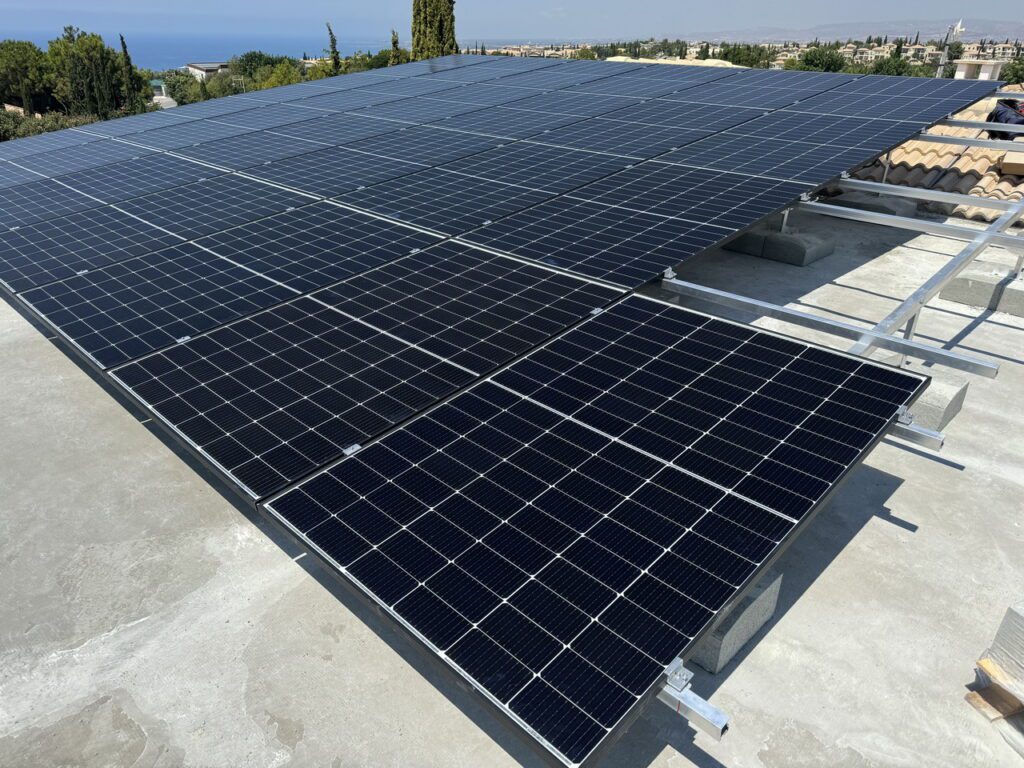
Off-Grid Solar for Apartment Buildings in Cyprus Helping Cyprus Homeowners Choose the Right Off-Grid Solar Solution Get a Free Quote! Buyer’s Guide Solar Knowledge Base Introduction Solar energy is not limited to individual houses and villas. Apartment buildings and residential complexes in Cyprus can also benefit from renewable energy and battery storage. However, the energy requirements of a shared residential building are different from those of a private home. Instead of supplying individual apartments, a solar system can be designed to support common areas and shared electrical equipment. What Uses Electricity in an Apartment Building? A residential building may have many shared electricity consumers. These can include: Common-area lighting Entrance lighting Outdoor lighting Water pumps Swimming pool equipment Security systems CCTV cameras Automatic gates Internet and communication equipment Lift systems The exact requirements depend on the size and design of the building. Solar Energy for Common Areas One practical approach is to use solar energy to supply the building’s common electrical loads. During daylight hours, solar panels can generate electricity for equipment such as lighting, pumps, and other shared systems. Excess energy can then be stored in batteries for use when solar production is lower. This can help reduce the amount of electricity required from external sources. Battery Storage Adds Flexibility Solar panels only generate electricity when there is sufficient sunlight. However, common-area equipment may need electricity throughout the day and night. Battery storage can help bridge this difference. Stored energy can be used for: Evening lighting Security systems Automatic gates Communication equipment Other essential common loads The battery capacity should be determined according to the building’s actual energy requirements. Swimming Pools and Water Pumps Some residential complexes in Cyprus have shared swimming pools and water pumping systems. These can contribute significantly to the property’s electricity consumption. Where possible, equipment such as pool pumps can be scheduled to operate during periods of strong solar production. This allows the building to use more electricity directly from the solar system instead of relying on stored energy later. Smart Energy Management Modern energy systems can provide much more information than a traditional solar installation. At SolarCity Cyprus, we install advanced Sigenergy energy storage solutions with intelligent monitoring. Building managers can monitor: Solar production Battery status Electricity consumption Energy flows Historical performance System alerts This makes it easier to understand how the building uses electricity and identify opportunities for better energy management. Who Controls the System? This is an important consideration for apartment buildings. Unlike a private house, a residential complex may have: Multiple apartment owners A property management company A residents’ committee Shared maintenance responsibilities Before installing a system, it is important to establish who will manage the equipment, monitor its performance, and arrange maintenance. Clear responsibilities help ensure the system continues operating efficiently for many years. Planning the Installation A professional assessment should consider: Available roof space Common-area electricity consumption Equipment such as pumps and lifts Battery requirements Existing electrical infrastructure Future energy needs The system should be designed around the building’s actual consumption rather than simply the number of apartments. What About Individual Apartments? An Off-Grid Solar System designed for common areas does not automatically provide independent solar electricity to every apartment. Individual apartments have their own electrical consumption and may require a different approach. For this reason, the electrical configuration and ownership structure should be carefully evaluated before a project begins. Common Mistakes to Avoid Looking Only at the Number of Apartments Ten apartments do not necessarily consume twice as much electricity as five. The important factor is the actual energy consumption of the property. Forgetting Common Equipment Pumps, lighting, gates, security systems, and other shared equipment must all be included in the assessment. Ignoring Battery Storage Solar production and electricity demand do not always occur at the same time. Failing to Establish Responsibility A residential complex should clearly define who manages and maintains the solar energy system. 💡 Expert Tip Start by measuring the electricity consumption of the common areas. Knowing exactly how much energy the building uses makes it much easier to design an appropriately sized solar and battery system. 📘 Did You Know? In many residential complexes, a significant part of electricity consumption occurs in common areas rather than inside individual apartments. Lighting, pumps, pool equipment, and security systems can operate every day throughout the year. Conclusion Apartment buildings and residential complexes in Cyprus can benefit from professionally designed Off-Grid Solar Systems, particularly for common-area electricity consumption. Solar panels combined with battery storage can help power lighting, pumps, security systems, gates, and other shared equipment while improving energy independence. With intelligent Sigenergy technology and professional system design, SolarCity Cyprus can help residential communities develop reliable and future-ready energy solutions tailored to their actual requirements. Frequently Asked Questions Can an Off-Grid Solar System power an entire apartment building? It can potentially supply the building’s common electrical loads, but a system supplying individual apartments requires a different and more complex design. Can solar energy power swimming pool equipment? Yes. Pool pumps and other equipment can be included in the energy assessment and, where practical, scheduled to operate during periods of strong solar production. Is battery storage necessary? Battery storage is particularly useful when electricity is required after sunset or when solar production is temporarily low. Can residents monitor the solar system? The monitoring arrangement depends on the system design and management structure. Access can be provided to the appropriate building manager or responsible parties. Why does SolarCity Cyprus use Sigenergy? SolarCity Cyprus installs Sigenergy because its intelligent energy management, battery storage, monitoring, and scalable design are suitable for a wide range of modern energy projects. 🔗 Related System Component Guides Guide 2.3 – Choosing an Off-Grid Solar System for a Holiday Home Guide 2.4 – Planning an Off-Grid Solar System for a New Home Build Guide 2.5 – Off-Grid Solar System for Homes with Electric Vehicles Guide 2.6 – Off-Grid Solar System for a Home Office Guide 2.7 – Off-Grid Solar System for Small Businesses Guide 2.9 –
Off-Grid Solar for Small Businesses
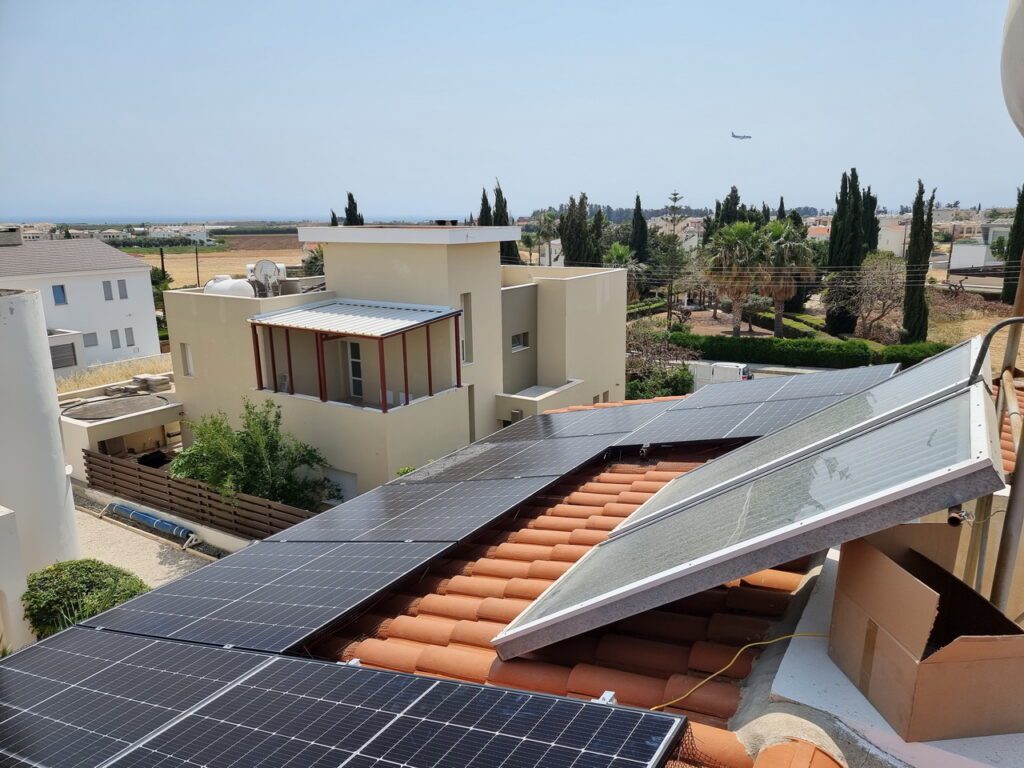
Off-Grid Solar System for Small Businesses Helping Cyprus Homeowners Choose the Right Off-Grid Solar Solution Get a Free Quote! Buyer’s Guide Solar Knowledge Base Introduction For many small businesses in Cyprus, electricity is an essential part of daily operations. Whether you own a retail shop, café, beauty salon, workshop, or office, reliable power helps keep your business running smoothly. An Off-Grid Solar System offers a practical solution by generating clean energy, storing excess electricity in batteries, and providing dependable power throughout the working day. With professional system design and intelligent energy management, businesses can improve efficiency while reducing long-term operating costs. Why Energy Matters for Small Businesses Unlike residential properties, businesses often consume electricity continuously during working hours. Common electricity users include: Air conditioning systems Lighting Computers and office equipment Refrigeration units Coffee machines Payment terminals Security systems Internet and networking equipment Every business has a different energy profile, making personalised system design essential. Reducing Operating Costs Electricity is one of the ongoing expenses for most businesses. A professionally designed Off-Grid Solar System helps businesses: Produce their own renewable electricity Store energy for later use Improve energy efficiency Reduce dependence on external electricity sources Plan for future energy needs Lower operating costs can contribute to stronger long-term business performance. Reliable Power During Business Hours Business interruptions can affect customer service and productivity. Battery storage provides additional confidence by helping supply electricity when solar production decreases later in the day. This supports the continued operation of: Computers Lighting Internet equipment Security systems Essential business appliances Reliable energy allows staff to remain productive and customers to enjoy uninterrupted service. Smart Energy Management with Sigenergy At SolarCity Cyprus, we install advanced Sigenergy energy storage systems that help businesses monitor and optimise their electricity usage. The system provides: Real-time energy monitoring Intelligent battery management Live electricity consumption data Historical performance reports Easy-to-use mobile and web monitoring Business owners can quickly understand where energy is being used and identify opportunities for greater efficiency. Planning for Business Growth Successful businesses often expand. Future changes may include: Additional employees New equipment Larger premises Electric vehicle charging Extended opening hours Choosing an expandable Off-Grid Solar System helps protect your investment as your business grows. Why Professional Design Is Important No two businesses operate in exactly the same way. Professional installers evaluate: Business type Daily operating hours Electricity consumption Available installation space Future expansion plans This ensures the system matches real operational requirements rather than relying on general estimates. Common Mistakes to Avoid Choosing the Same System as a Residential Property Business electricity usage often follows a completely different daily pattern. Ignoring Future Expansion Growing businesses may require additional solar panels or battery capacity later. Underestimating Cooling Requirements Air conditioning can represent a significant portion of electricity consumption during Cyprus summers. Selecting Equipment Based Only on Price Long-term reliability, monitoring features, and scalability are just as important as the initial investment. 💡 Expert Tip Design your solar system around how your business operates—not just around today’s electricity bill. Understanding daily energy usage helps create a solution that supports both current operations and future growth. 📘 Did You Know? Many small businesses consume the most electricity during the daytime—the same period when solar panels generate the highest amount of energy. This natural overlap makes solar energy an excellent fit for many commercial properties. Conclusion An Off-Grid Solar System can provide small businesses in Cyprus with reliable electricity, intelligent battery storage, and greater energy independence. By combining professional system design with advanced Sigenergy technology, SolarCity Cyprus delivers energy solutions that help businesses improve efficiency, reduce operating costs, and prepare for future growth. Whether you operate a retail shop, office, café, salon, or workshop, investing in renewable energy is an investment in the long-term success of your business. Frequently Asked Questions Is an Off-Grid Solar System suitable for small businesses? Yes. A professionally designed system can supply reliable electricity for many types of small businesses while supporting daily operations. Can battery storage keep my business running after sunset? Yes. Battery storage provides electricity when solar production is low, depending on the system design and business energy requirements. Can I monitor energy usage in real time? Yes. Sigenergy systems provide detailed monitoring through a mobile app and web interface, allowing business owners to track energy production and consumption. Can the system grow with my business? Absolutely. Many Off-Grid Solar Systems support additional solar panels and battery modules as electricity demand increases. Why does SolarCity Cyprus use Sigenergy? SolarCity Cyprus installs Sigenergy because it offers intelligent energy management, modular battery expansion, real-time monitoring, and reliable long-term performance for both homes and businesses. 🔗 Related System Component Guides Guide 2.3 – Choosing an Off-Grid Solar System for a Holiday Home Guide 2.4 – Planning an Off-Grid Solar System for a New Home Build Guide 2.5 – Off-Grid Solar System for Homes with Electric Vehicles Guide 2.6 – Off-Grid Solar System for a Home Office Guide 2.8 – Off-Grid Solar System for Apartment Buildings (Coming Soon) Related Articles All Posts Off-Grid Solar System Solar Buyer's Guide Solar System Installation Off-Grid Solar for Small Businesses August 12, 2026/ Off-Grid Solar System for Small Businesses Helping Cyprus Homeowners Choose the Right Off-Grid Solar Solution Get a Free Quote! Buyer’s… Read More Off-Grid Solar for Home Offices August 12, 2026/ Off-Grid Solar System for a Home Office Helping Cyprus Homeowners Choose the Right Off-Grid Solar Solution Get a Free Quote!… Read More Off-Grid Solar for Electric Vehicles August 9, 2026/ Off-Grid Solar System for Homes with Electric Vehicles Helping Cyprus Homeowners Choose the Right Off-Grid Solar Solution Get a Free… Read More Plan an Off-Grid Solar System Early August 7, 2026/ Planning an Off-Grid Solar System for a New Home Build Helping Cyprus Homeowners Choose the Right Off-Grid Solar Solution Get… Read More Off-Grid Solar for Holiday Homes August 5, 2026/ Choosing an Off-Grid Solar System for a Holiday Home Helping Cyprus Homeowners Choose the Right Off-Grid Solar Solution Get a… Read More Off-Grid Solar for Villas
Off-Grid Solar for Home Offices
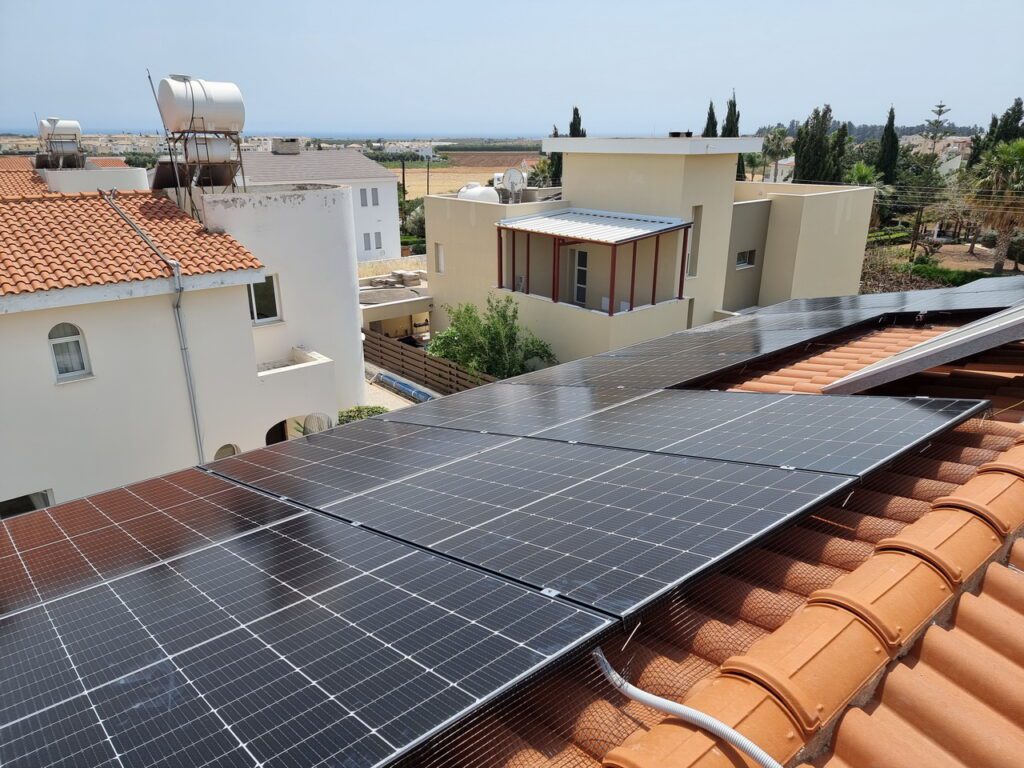
Off-Grid Solar System for a Home Office Helping Cyprus Homeowners Choose the Right Off-Grid Solar Solution Get a Free Quote! Buyer’s Guide Solar Knowledge Base Introduction Working from home has become part of everyday life for many professionals in Cyprus. Whether you are running a business, attending online meetings, or working remotely for an international company, a reliable electricity supply is essential. An Off-Grid Solar System helps create a dependable home office by combining solar energy, intelligent battery storage, and smart energy management. It provides the confidence that your workspace remains powered throughout the working day. Why Reliable Power Matters A home office depends on much more than a laptop. Many professionals rely on: Desktop or laptop computers High-speed internet routers Multiple monitors Network storage devices (NAS) Printers and scanners Video conferencing equipment Mobile device charging Even a short interruption can disrupt work or important client meetings. Battery Storage Keeps You Productive Solar panels generate electricity during daylight hours, but work often continues into the evening. Battery storage allows homeowners to: Continue working after sunset Power essential office equipment Maintain internet connectivity Reduce interruptions during periods of low solar production A professionally designed battery system supports a consistent working environment throughout the day. Managing Energy Throughout the Day A home office shares electricity with the rest of the house. During a normal day, electricity may also be used for: Air conditioning Kitchen appliances Lighting Washing machines Entertainment systems Intelligent energy management helps balance these demands efficiently while maintaining reliable power for the workspace. Smart Energy Management with Sigenergy At SolarCity Cyprus, we install advanced Sigenergy energy storage systems with intelligent monitoring features. Homeowners can easily monitor: Live solar production Battery charge level Household electricity consumption Historical energy trends System notifications The mobile app provides clear information, allowing users to understand how energy is being generated and used throughout the day. Planning for Business Growth Many home offices expand over time. Future additions may include: Additional computers Larger monitors Network equipment Home servers Electric vehicle charging Extra air conditioning Planning for future energy needs ensures that the Off-Grid Solar System can grow alongside your business. A Comfortable Workspace All Year Cyprus enjoys abundant sunshine, but summers can be very warm. A well-designed Off-Grid Solar System helps support: Comfortable indoor temperatures Reliable air conditioning Continuous internet access Efficient daytime energy use This creates a productive working environment without unnecessary energy concerns. Why Professional Design Is Important Every home office is different. Professional designers consider: Daily working hours Office equipment Household electricity demand Future expansion plans Battery storage requirements A customised system provides the best balance between performance and long-term value. Common Mistakes to Avoid Designing Only for Household Appliances Office equipment should be included when calculating energy requirements. Ignoring Future Business Growth Additional equipment may increase electricity consumption over time. Overlooking Internet Equipment Routers and networking devices are essential for remote work and should be considered in the system design. Choosing a Standard Package Every home office has unique energy requirements that deserve a personalised solution. 💡 Expert Tip Think about your workday, not just your electricity bill. A reliable Off-Grid Solar System should support both your household and your professional activities without compromise. 📘 Did You Know? Many professionals spend more hours using their home office than any other room in the house. Reliable energy and comfortable working conditions can improve productivity and reduce everyday stress. Conclusion A home office requires dependable electricity, efficient energy management, and reliable battery storage. By combining professional system design with advanced Sigenergy technology, SolarCity Cyprus helps homeowners create productive workspaces powered by clean, renewable energy. Whether you work remotely full-time or simply need a reliable office at home, an Off-Grid Solar System offers a smart and future-ready solution. Frequently Asked Questions Is an Off-Grid Solar System suitable for remote work? Yes. A professionally designed system provides reliable electricity for computers, networking equipment, lighting, and other office devices. Can battery storage keep my office running after sunset? Yes. Battery storage supplies electricity when solar panels are no longer generating power, depending on the system design and energy demand. Can I monitor my energy usage while working? Absolutely. Sigenergy’s mobile app provides real-time information about solar production, battery status, and household electricity consumption. Can the system be expanded if my office grows? Yes. Many Off-Grid Solar Systems are designed to allow additional solar panels and battery modules to be added in the future. Why does SolarCity Cyprus use Sigenergy? SolarCity Cyprus installs Sigenergy because it offers intelligent energy management, advanced battery storage, real-time monitoring, and flexible system expansion for modern homes and home offices. 🔗 Related System Component Guides Guide 1.20 – How AI Is Changing Home Energy Management Guide 2.1 – Off-Grid Solar System for a 3-Bedroom Home in Cyprus Guide 2.2 – Off-Grid Solar System for a Villa with a Swimming Pool Guide 2.3 – Choosing an Off-Grid Solar System for a Holiday Home Guide 2.4 – Planning an Off-Grid Solar System for a New Home Build Guide 2.5 – Off-Grid Solar System for Homes with Electric Vehicles Guide 2.7 – Off-Grid Solar System for Small Businesses (Coming Soon) Related Articles All Posts Off-Grid Solar System Solar Buyer's Guide Solar System Installation Off-Grid Solar for Home Offices August 12, 2026/ Off-Grid Solar System for a Home Office Helping Cyprus Homeowners Choose the Right Off-Grid Solar Solution Get a Free Quote!… Read More Off-Grid Solar for Electric Vehicles August 9, 2026/ Off-Grid Solar System for Homes with Electric Vehicles Helping Cyprus Homeowners Choose the Right Off-Grid Solar Solution Get a Free… Read More Plan an Off-Grid Solar System Early August 7, 2026/ Planning an Off-Grid Solar System for a New Home Build Helping Cyprus Homeowners Choose the Right Off-Grid Solar Solution Get… Read More Off-Grid Solar for Holiday Homes August 5, 2026/ Choosing an Off-Grid Solar System for a Holiday Home Helping Cyprus Homeowners Choose the Right Off-Grid Solar Solution Get a… Read More Off-Grid Solar for Villas with Pools August 3, 2026/
Off-Grid Solar for Electric Vehicles
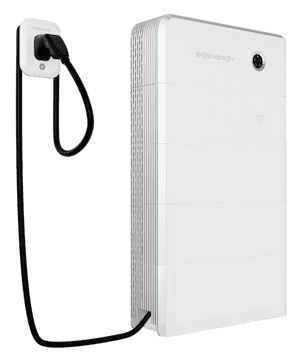
Off-Grid Solar System for Homes with Electric Vehicles Helping Cyprus Homeowners Choose the Right Off-Grid Solar Solution Get a Free Quote! Buyer’s Guide Solar Knowledge Base Introduction Electric vehicles are becoming increasingly popular in Cyprus as homeowners look for cleaner and more economical ways to travel. When combined with an Off-Grid Solar System, an electric vehicle becomes more than just environmentally friendly—it becomes part of a smarter home energy solution. A professionally designed system allows homeowners to generate electricity from the sun, store it in batteries, and use it to charge their vehicle while also powering the home. Why Electric Vehicles and Solar Work So Well Together An electric vehicle requires regular charging, making it one of the largest electricity consumers in many households. Instead of relying entirely on external electricity sources, homeowners can use solar energy to meet a significant portion of their charging needs. The combination offers: Greater energy independence Lower long-term energy costs Better use of daytime solar production Reduced environmental impact Increased value of the home’s energy system Planning for Vehicle Charging Adding an EV charger changes the overall energy profile of a home. When designing an Off-Grid Solar System, installers consider: The type of electric vehicle Typical daily driving distance Charging schedule Household electricity consumption Future energy requirements Proper planning ensures that vehicle charging and household electricity needs work together efficiently. Charging During the Day One of the most efficient ways to charge an electric vehicle is during daylight hours. When solar panels are producing electricity: The home uses available solar energy. Battery storage is charged. The vehicle can be charged using solar production whenever possible. This helps maximise the direct use of renewable energy. Charging After Sunset Many homeowners prefer charging their vehicle overnight. In this case, battery storage becomes especially important. Stored solar energy collected during the day can help provide electricity after sunset, allowing the vehicle to charge while continuing to supply power to the home. The balance between home consumption and vehicle charging depends on the system’s design and battery capacity. Smart Energy Management with Sigenergy At SolarCity Cyprus, we install advanced Sigenergy energy storage systems designed to manage multiple energy demands automatically. The system can: Prioritise household electricity when needed Optimise battery charging Display real-time energy flow Monitor vehicle charging alongside household consumption Support future system expansion This intelligent approach helps homeowners make the best use of available solar energy. Preparing for the Future Electric mobility continues to grow. Many families may eventually own two electric vehicles or add new electrical equipment. Planning ahead makes future upgrades much easier, including: Additional battery modules More solar panels Higher charging capacity Expanded home energy management A scalable system protects your investment as your energy needs evolve. Why Professional Design Is Essential Charging an electric vehicle adds a new level of complexity to home energy planning. Professional installers evaluate: Daily electricity consumption Vehicle charging habits Roof space for solar panels Battery storage requirements Future expansion plans Every home deserves a solution tailored to its specific lifestyle. Common Mistakes to Avoid Choosing a System Without Considering the Vehicle An EV significantly affects household electricity demand and should be included in the original design. Charging Only at Peak Demand Times Whenever possible, daytime charging helps maximise the use of solar energy. Ignoring Future Vehicle Purchases Many households eventually own more than one electric vehicle. Installing Equipment Without Professional Planning A customised energy solution provides better long-term performance and flexibility. 💡 Expert Tip If you plan to buy an electric vehicle within the next few years, mention it during the solar system design stage. Planning ahead allows your installer to create a system that supports both your current and future energy needs. 📘 Did You Know? Many modern energy management systems can display how much of your vehicle’s charging energy comes directly from solar production, helping homeowners better understand and optimise their energy usage. Conclusion An electric vehicle and an Off-Grid Solar System make an excellent combination for homeowners in Cyprus. With professional planning, intelligent battery storage, and advanced energy management, homeowners can reduce dependence on external electricity sources while enjoying clean, reliable transportation. Using advanced Sigenergy technology, SolarCity Cyprus designs future-ready energy solutions that support both modern homes and the growing demand for electric vehicle charging. Frequently Asked Questions Can an Off-Grid Solar System charge an electric vehicle? Yes. A professionally designed system can support EV charging while also supplying electricity to the home. Is daytime charging more efficient? Yes. Charging during daylight hours allows the vehicle to use electricity generated directly by the solar panels whenever possible. Can I charge my vehicle at night? Yes. Battery storage can provide electricity after sunset, depending on the battery capacity and household energy demand. What if I buy a second electric vehicle? Many modern Off-Grid Solar Systems can be expanded with additional solar panels and battery storage to meet future energy requirements. Why does SolarCity Cyprus use Sigenergy? SolarCity Cyprus installs Sigenergy because it combines intelligent energy management, scalable battery storage, real-time monitoring, and advanced technology to support modern homes with electric vehicles. 🔗 Related System Component Guides Guide 1.20 – How AI Is Changing Home Energy Management Guide 2.1 – Off-Grid Solar System for a 3-Bedroom Home in Cyprus Guide 2.2 – Off-Grid Solar System for a Villa with a Swimming Pool Guide 2.3 – Choosing an Off-Grid Solar System for a Holiday Home Guide 2.4 – Planning an Off-Grid Solar System for a New Home Build Guide 2.6 – Off-Grid Solar System for a Home Office (Coming Soon) Related Articles All Posts Off-Grid Solar System Solar Buyer's Guide Solar System Installation Off-Grid Solar for Electric Vehicles August 9, 2026/ Off-Grid Solar System for Homes with Electric Vehicles Helping Cyprus Homeowners Choose the Right Off-Grid Solar Solution Get a Free… Read More Plan an Off-Grid Solar System Early August 7, 2026/ Planning an Off-Grid Solar System for a New Home Build Helping Cyprus Homeowners Choose the Right Off-Grid Solar Solution Get… Read More Off-Grid
Plan an Off-Grid Solar System Early
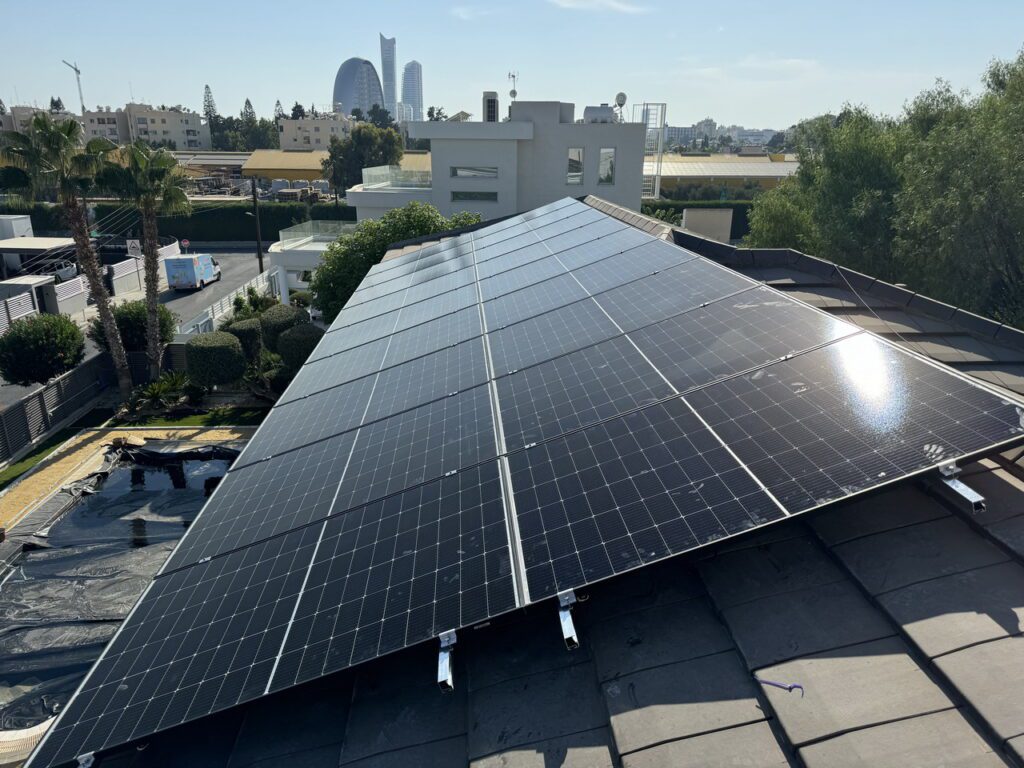
Planning an Off-Grid Solar System for a New Home Build Helping Cyprus Homeowners Choose the Right Off-Grid Solar Solution Get a Free Quote! Buyer’s Guide Solar Knowledge Base Introduction Building a new home is the perfect opportunity to plan an Off-Grid Solar System from the very beginning. Instead of adding solar equipment after construction is complete, homeowners can integrate the energy system into the overall building design. This approach simplifies installation, improves efficiency, and helps avoid unnecessary costs later. At SolarCity Cyprus, we often work with homeowners, architects, and builders during the planning stage to create future-ready energy solutions. Why Early Planning Matters The earlier a solar system is considered, the more options are available. Planning ahead allows you to: Optimise roof space for solar panels Reserve a suitable location for batteries and the inverter Plan electrical cable routes before walls are finished Simplify future maintenance Reduce installation time after construction Small decisions made during the design phase can make a significant difference later. Designing the Roof for Maximum Solar Production The roof is one of the most important parts of any solar installation. When designing a new home, it’s helpful to consider: Available roof area Panel orientation Roof pitch Chimneys or other structures that may create shade Future expansion possibilities A well-planned roof can improve solar production for many years. Choosing the Right Location for Equipment An Off-Grid Solar System includes more than just solar panels. Battery storage and the inverter should be installed in a location that is: Easily accessible Well ventilated Protected from unnecessary heat Convenient for maintenance Close to the home’s electrical distribution system Planning this space before construction is usually much easier than finding room afterwards. Preparing for Future Energy Needs Many homeowners expand their electricity usage after moving into a new house. Future additions may include: Electric vehicle charging Swimming pools Garden lighting Outdoor kitchens Home offices Additional air conditioning A professionally designed system allows for future expansion without major changes. Smart Energy Management with Sigenergy At SolarCity Cyprus, we install intelligent Sigenergy energy storage systems that help homeowners manage electricity efficiently from day one. Key benefits include: Real-time energy monitoring Intelligent battery management Automatic energy optimisation User-friendly mobile application Modular battery expansion This technology helps homeowners maximise the value of their solar investment. Working with Your Builder Including your solar installer early in the project benefits everyone. Cooperation between the homeowner, architect, builder, and solar specialist helps ensure that: Electrical infrastructure is properly prepared. Equipment locations are planned in advance. Installation is completed efficiently. Future upgrades remain simple. Good communication reduces delays and avoids unnecessary modifications later. Professional Design Makes the Difference Every new home is unique. Professional system designers evaluate: Household lifestyle Expected electricity consumption Roof layout Future expansion plans Battery storage requirements A customised solution provides better long-term performance than a standard installation. Common Mistakes to Avoid Waiting Until Construction Is Finished Installing a solar system after the home is complete may require additional work and higher costs. Forgetting About Future Expansion Planning only for today’s energy needs may limit future flexibility. Choosing Equipment Before the Home Is Designed The house and the energy system should be planned together. Ignoring Professional Advice Experienced designers can identify opportunities that homeowners may not consider. 💡 Expert Tip The best time to plan your Off-Grid Solar System is before the first brick is laid. Early planning makes installation easier, protects your investment, and creates a more efficient home from the very beginning. 📘 Did You Know? Many homeowners who include solar planning during the design phase complete their installations more quickly and with fewer construction changes than those who add solar equipment after moving in. Conclusion A new home offers the ideal opportunity to design an Off-Grid Solar System that matches both your current lifestyle and future plans. By considering roof design, equipment placement, electrical infrastructure, and future expansion from the beginning, homeowners can enjoy a more efficient and reliable energy solution. With professional planning and advanced Sigenergy technology, SolarCity Cyprus helps turn new homes into smart, energy-independent homes from day one. Frequently Asked Questions Should I plan my solar system before building my house? Yes. Early planning makes installation easier, reduces costs, and allows the home to be designed around the energy system. Can the system be expanded in the future? Yes. Many modern Off-Grid Solar Systems are designed to support additional solar panels and battery modules as energy needs grow. Where should the batteries and inverter be installed? They should be located in a well-ventilated, accessible area that is protected from excessive heat and close to the electrical distribution system. Can my builder work together with SolarCity Cyprus? Absolutely. Early cooperation between builders, architects, and solar specialists helps create the most efficient installation. Why does SolarCity Cyprus use Sigenergy? SolarCity Cyprus installs Sigenergy because it offers intelligent energy management, modular battery expansion, advanced monitoring, and reliable long-term performance for modern homes. 🔗 Related System Component Guides Guide 1.20 – How AI Is Changing Home Energy Management Guide 2.1 – Off-Grid Solar System for a 3-Bedroom Home in Cyprus Guide 2.2 – Off-Grid Solar System for a Villa with a Swimming Pool Guide 2.3 – Choosing an Off-Grid Solar System for a Holiday Home Guide 2.5 – Off-Grid Solar System for Homes with Electric Vehicles (Coming Soon) Related Articles All Posts Off-Grid Solar System Solar Buyer's Guide Solar System Installation Plan an Off-Grid Solar System Early August 7, 2026/ Planning an Off-Grid Solar System for a New Home Build Helping Cyprus Homeowners Choose the Right Off-Grid Solar Solution Get… Read More Off-Grid Solar for Holiday Homes August 5, 2026/ Choosing an Off-Grid Solar System for a Holiday Home Helping Cyprus Homeowners Choose the Right Off-Grid Solar Solution Get a… Read More Off-Grid Solar for Villas with Pools August 3, 2026/ Off-Grid Solar System for a Villa with a Swimming Pool Helping Cyprus Homeowners Choose the Right Off-Grid Solar Solution Get… Read More Off-Grid Solar for a 3-Bedroom Home August 1, 2026/
Off-Grid Solar for Holiday Homes
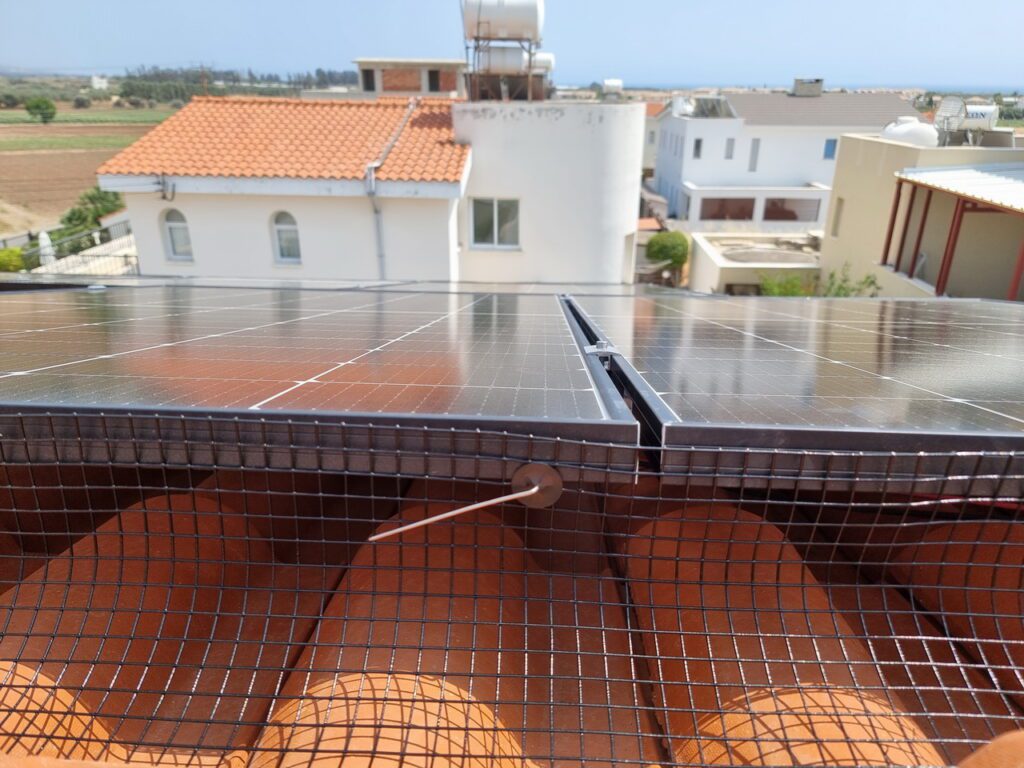
Choosing an Off-Grid Solar System for a Holiday Home Helping Cyprus Homeowners Choose the Right Off-Grid Solar Solution Get a Free Quote! Buyer’s Guide Solar Knowledge Base Introduction Owning a holiday home in Cyprus offers the perfect opportunity to enjoy sunshine, relaxation, and beautiful surroundings. However, many holiday properties remain unoccupied for weeks or even months at a time. An Off-Grid Solar System can help maintain a reliable electricity supply while reducing dependence on external energy sources. With intelligent battery storage and remote monitoring, homeowners can keep track of their property’s energy system from almost anywhere. How Holiday Homes Differ from Permanent Residences Unlike family homes, holiday properties often experience changing patterns of electricity use. For example: The property may be empty for long periods. Electricity demand increases during holidays. Air conditioning may operate intensively during occupied periods. Outdoor lighting and security systems often remain active year-round. A professionally designed Off-Grid Solar System takes these unique requirements into account. Remote Monitoring Provides Peace of Mind Many holiday homeowners spend much of the year outside Cyprus. Modern monitoring systems allow homeowners to check: Solar energy production Battery charge level Household electricity consumption System performance Alerts and notifications This information is available through a simple mobile application, giving homeowners confidence that everything is operating normally. Battery Storage Keeps Essential Systems Running Even when nobody is staying in the property, some equipment continues operating. Examples include: Security alarms CCTV cameras Internet routers Automatic gates Garden irrigation controllers Outdoor lighting timers Battery storage helps ensure these essential systems remain powered during the night and periods of reduced solar production. Managing Air Conditioning Efficiently Holiday homes are often cooled shortly before the owners arrive or while guests are staying. A well-designed Off-Grid Solar System supports efficient operation by: Maximising daytime solar production Charging batteries during sunny hours Providing stored energy during the evening Reducing unnecessary energy waste Good energy planning improves both comfort and efficiency. Smart Energy Management with Sigenergy At SolarCity Cyprus, we install advanced Sigenergy energy storage systems designed for modern lifestyles. Sigenergy technology allows homeowners to: Monitor system performance remotely Track battery charging in real time View historical energy data Optimise energy usage Receive system notifications These intelligent features are especially valuable for holiday homes that are not occupied every day. Planning for Rental Properties Many holiday homes are also rented to visitors during parts of the year. A reliable Off-Grid Solar System can help support: Guest comfort Continuous electricity supply Lower long-term operating costs Sustainable property management Professional system design ensures the installation is suitable for varying occupancy levels throughout the year. Why Professional Design Is Essential Every holiday property has different energy requirements. Professional installers evaluate: Property size Number of bedrooms Air conditioning requirements Outdoor electrical equipment Expected occupancy Future expansion plans This personalised approach helps ensure reliable performance in every season. Common Mistakes to Avoid Designing the System for Peak Occupancy Only The system should operate efficiently throughout the year, not only during holiday periods. Forgetting Essential Equipment Security systems, internet equipment, and irrigation controllers also require electricity. Ignoring Future Property Upgrades Future additions such as electric vehicle charging or outdoor entertainment areas should be considered during the design stage. Choosing Equipment Without Professional Advice A customised design delivers the best balance between performance and investment. 💡 Expert Tip Choose a system that works just as well when you’re away as when you’re at home. Remote monitoring and intelligent battery management provide extra confidence for holiday homeowners. 📘 Did You Know? Many modern solar monitoring apps allow homeowners to view system performance from anywhere in the world using a smartphone or tablet. Conclusion A holiday home in Cyprus benefits from an Off-Grid Solar System that is designed around its unique occupancy pattern and energy requirements. With intelligent Sigenergy technology, advanced battery storage, and remote monitoring, SolarCity Cyprus provides reliable, efficient, and future-ready energy solutions that give homeowners confidence whether they are in Cyprus or abroad. Frequently Asked Questions Is an Off-Grid Solar System suitable for a holiday home? Yes. It can provide reliable electricity while supporting both occupied and unoccupied periods. Can I monitor my system while I’m outside Cyprus? Yes. Modern monitoring apps allow homeowners to check system performance remotely. Will the batteries continue supporting essential equipment? Yes. Battery storage can keep important systems operating when solar production is low or after sunset. Can the system support rental guests? Absolutely. A professionally designed system provides reliable electricity regardless of occupancy. Why does SolarCity Cyprus use Sigenergy? SolarCity Cyprus installs Sigenergy because it combines intelligent monitoring, advanced battery storage, scalable system design, and user-friendly remote management for every type of property. 🔗 Related System Component Guides Guide 1.18 – Can an Off-Grid Solar System Power an Entire House? Guide 1.19 – How Much Energy Does a Typical Cyprus Home Use? Guide 1.20 – How AI Is Changing Home Energy Management Guide 2.1 – Off-Grid Solar System for a 3-Bedroom Home in Cyprus Guide 2.2 – Off-Grid Solar System for a Villa with a Swimming Pool Guide 2.4 – Off-Grid Solar System for a New Home Build (Coming Soon) Related Articles All Posts Off-Grid Solar System Solar Buyer's Guide Solar System Installation Off-Grid Solar for Holiday Homes August 5, 2026/ Choosing an Off-Grid Solar System for a Holiday Home Helping Cyprus Homeowners Choose the Right Off-Grid Solar Solution Get a… Read More Off-Grid Solar for Villas with Pools August 3, 2026/ Off-Grid Solar System for a Villa with a Swimming Pool Helping Cyprus Homeowners Choose the Right Off-Grid Solar Solution Get… Read More Off-Grid Solar for a 3-Bedroom Home August 1, 2026/ Off-Grid Solar System for a 3-Bedroom Home in Cyprus ☀️ Solar Buyer’s Guide Get a Free Quote! Buyer’s Guide Solar… Read More AI for Off-Grid Solar Systems July 31, 2026/ How AI Is Changing Home Energy Management Solar Knowledge Base Get a Free Quote! Base Solar Knowledge Base Introduction Artificial… Read More Energy Use in Cyprus Homes July 30, 2026/ How Much Energy Does
Off-Grid Solar for Villas with Pools
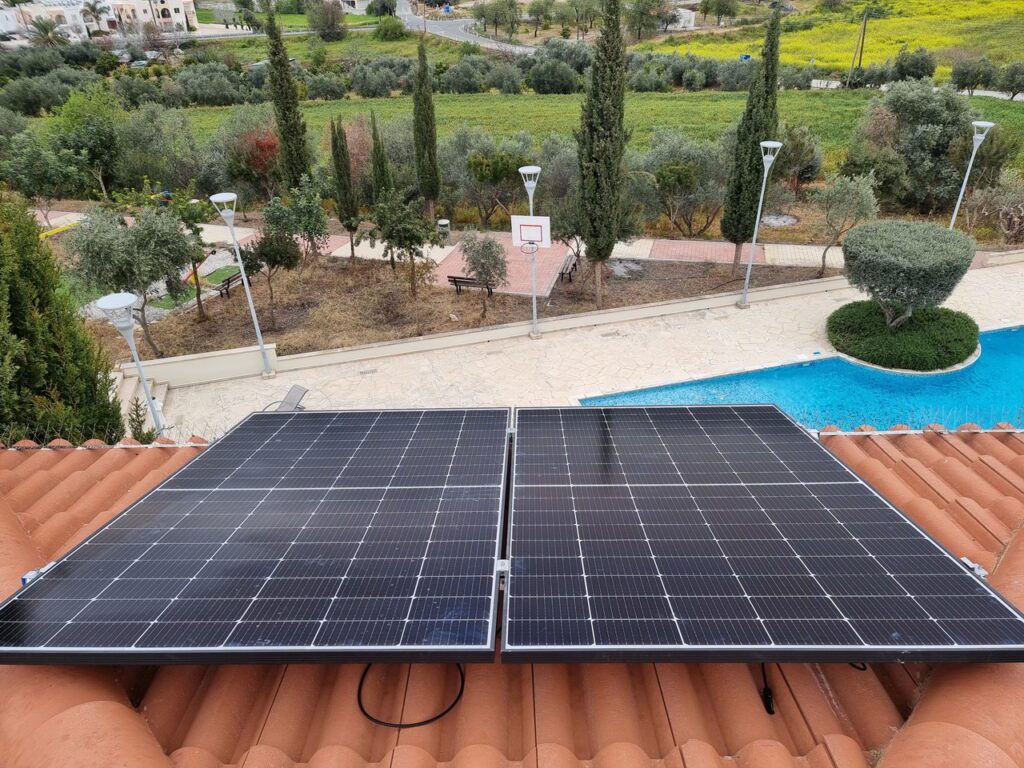
Off-Grid Solar System for a Villa with a Swimming Pool Helping Cyprus Homeowners Choose the Right Off-Grid Solar Solution Get a Free Quote! Buyer’s Guide Solar Knowledge Base Introduction Owning a villa with a swimming pool is one of the many advantages of living in Cyprus. However, larger homes with additional outdoor facilities usually consume more electricity than smaller properties. An Off-Grid Solar System offers an effective way to provide reliable power for everyday living while supporting energy-intensive features such as swimming pool equipment, outdoor lighting, and cooling systems. The key is not simply installing more solar panels, but designing a system that matches the property’s actual energy requirements. Why Villas Typically Use More Electricity Compared with smaller homes, villas often have additional electrical equipment operating every day. Common examples include: Swimming pool pumps Pool lighting Outdoor landscape lighting Multiple air conditioning units Garden irrigation controllers Electric gates Security cameras and alarm systems Outdoor kitchens or entertainment areas Each of these contributes to the overall electricity demand. The Swimming Pool Is Only Part of the Picture Many homeowners assume the swimming pool is the largest electricity consumer. In reality, the pool pump often operates efficiently on a planned schedule, especially during daylight hours when solar panels are producing energy. In many villas, air conditioning systems account for a larger share of electricity consumption during the hottest months. Professional system design considers the combined energy needs of the entire property. Making the Most of Daylight One advantage of Cyprus is its long, sunny days. Whenever possible, high-energy equipment can be scheduled to operate while solar production is at its peak. Examples include: Pool filtration systems Washing machines Dishwashers Water pumps Electric vehicle charging Using electricity when solar panels are generating the most power helps maximise the direct use of renewable energy. Reliable Energy After Sunset Life in a villa doesn’t stop when the sun goes down. Evening electricity demand often includes: Indoor and outdoor lighting Air conditioning Kitchen appliances Television and entertainment systems Security equipment A correctly sized battery system stores excess daytime solar energy, allowing these appliances to operate long after sunset. Smart Energy Management with Sigenergy At SolarCity Cyprus, we install advanced Sigenergy energy storage systems designed to manage complex household energy requirements. The intelligent system can: Optimise battery charging Prioritise solar energy usage Monitor household electricity consumption Display real-time performance through a mobile app Support future system expansion This helps homeowners use their available solar energy more efficiently without constantly adjusting settings. Planning for Future Lifestyle Changes Many villa owners continue to improve their properties over time. Future additions might include: An electric vehicle charger A larger entertainment area Additional outdoor lighting More air conditioning A guest house or home office Designing an expandable Off-Grid Solar System from the beginning makes future upgrades much simpler. Why Every Villa Needs a Custom Design No two villas are the same. Professional designers evaluate: Property size Roof space Daily electricity consumption Number of occupants Outdoor electrical equipment Future expansion plans A customised design delivers better efficiency and long-term reliability than a standard package. Common Mistakes to Avoid Assuming All Villas Need the Same System Electricity usage varies significantly from one property to another. Oversizing the System Without Analysis A larger system is not always the most efficient or cost-effective solution. Ignoring Outdoor Equipment Pool pumps, lighting, and security systems should all be included in the energy assessment. Forgetting Future Expansion Planning ahead reduces installation costs if energy needs increase later. 💡 Expert Tip Think about your entire property—not just your house. When designing an Off-Grid Solar System, remember to include outdoor equipment, future additions, and seasonal energy demands. 📘 Did You Know? Scheduling a swimming pool pump to operate during daylight hours allows it to use electricity generated directly by your solar panels, reducing the amount of stored battery energy needed later in the day. Conclusion A villa with a swimming pool can benefit greatly from a professionally designed Off-Grid Solar System. By analysing the property’s complete energy requirements—including indoor living spaces, outdoor equipment, and future expansion plans—SolarCity Cyprus delivers tailored solutions that maximise energy independence and long-term efficiency. With intelligent Sigenergy technology, homeowners enjoy reliable power, smart energy management, and the flexibility to adapt as their lifestyle evolves. Frequently Asked Questions Can an Off-Grid Solar System power a villa with a swimming pool? Yes. A professionally designed system can support both household appliances and pool equipment, provided it is correctly sized. Does a swimming pool consume a lot of electricity? The pool pump contributes to electricity use, but in many villas, air conditioning systems consume even more energy during summer. Can pool equipment operate using solar energy? Yes. Pool pumps are often scheduled to run during daylight hours when solar panels are producing electricity. Can the system be expanded later? Many Off-Grid Solar Systems are designed with future expansion in mind, allowing additional panels or battery modules to be added if required. Why does SolarCity Cyprus use Sigenergy? SolarCity Cyprus installs Sigenergy because it offers intelligent energy management, modular battery storage, real-time monitoring, and scalable solutions for homes with higher energy demands. 🔗 Related System Component Guides Guide 1.18 – Can an Off-Grid Solar System Power an Entire House? Guide 1.19 – How Much Energy Does a Typical Cyprus Home Use? Guide 1.20 – How AI Is Changing Home Energy Management Guide 2.1 – Off-Grid Solar System for a 3-Bedroom Home in Cyprus Guide 2.3 – Choosing an Off-Grid Solar System for a Holiday Home (Coming Soon) Related Articles All Posts Off-Grid Solar System Solar Buyer's Guide Solar System Installation Off-Grid Solar for Villas with Pools August 3, 2026/ Off-Grid Solar System for a Villa with a Swimming Pool Helping Cyprus Homeowners Choose the Right Off-Grid Solar Solution Get… Read More Off-Grid Solar for a 3-Bedroom Home August 1, 2026/ Off-Grid Solar System for a 3-Bedroom Home in Cyprus ☀️ Solar Buyer’s Guide Get a Free Quote! Buyer’s Guide Solar… Read More AI for Off-Grid Solar Systems