
Solar Panel Maintenance Guide
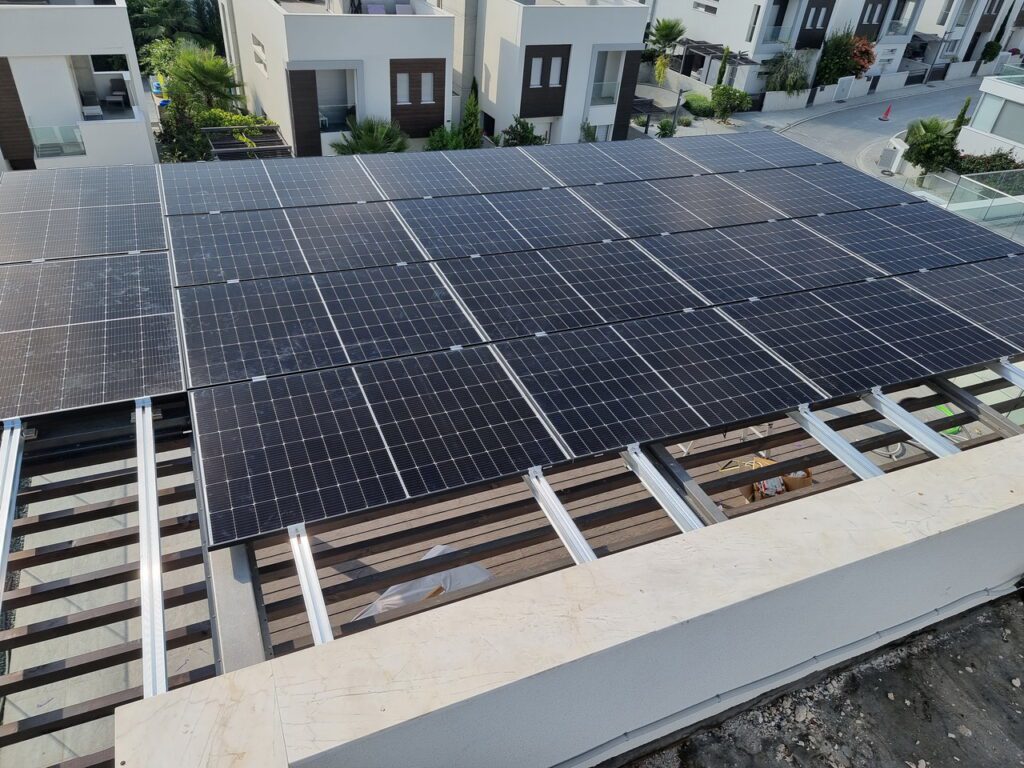
Do Solar Panels Need Regular Maintenance? Helping Cyprus Homeowners Choose the Right Off-Grid Solar Solution Get a Free Quote! Buyer’s Guide Solar Knowledge Base Introduction One of the biggest advantages of an Off-Grid Solar System is that it requires very little maintenance. Unlike many household systems, solar panels have no moving parts, making them highly reliable and designed for decades of operation. However, “low maintenance” does not mean “no maintenance.” A few simple checks can help your system continue performing efficiently year after year. How Often Should Solar Panels Be Cleaned? In many countries, rainfall naturally removes much of the dust from solar panels. In Cyprus, conditions are different. Factors such as: Sahara dust Coastal salt deposits Bird droppings Dry summer weather can gradually reduce energy production if panels become heavily soiled. Depending on your location, periodic cleaning may be beneficial, particularly after major dust events or during long dry periods. What Should You Check? Most routine maintenance is simply visual observation. Occasionally check for: Excessive dust or dirt Leaves or debris Bird nests near the panels Visible damage Shading from growing trees If everything looks normal and the monitoring system shows expected production, there is usually nothing else to do. Why Monitoring Is So Important Modern solar systems include intelligent monitoring that makes maintenance much easier. Instead of climbing onto the roof, homeowners can often check: Solar energy production Battery charge level Household energy consumption Historical performance System alerts If production suddenly drops without an obvious reason, it may indicate that the system needs inspection. Monitoring often identifies problems long before they become serious. Should You Clean the Panels Yourself? If the panels are safely accessible from the ground or another secure location, light cleaning with clean water and a soft brush may be sufficient. However, avoid: Abrasive cleaning materials High-pressure washers Harsh chemicals Walking on the panels If roof access is difficult or unsafe, professional cleaning is the safest option. Intelligent Monitoring with Sigenergy At SolarCity Cyprus, we install advanced Sigenergy energy systems with smart monitoring technology. The Sigenergy mobile app allows homeowners to: View live solar production Monitor battery performance Track household energy usage Receive system notifications Review historical performance trends This helps homeowners understand how their system is performing without complicated inspections. When Should You Contact Your Installer? Contact your installer if you notice: A sudden drop in energy production Repeated warning messages Visible damage to equipment Water entering electrical enclosures Unusual inverter behaviour Early inspection often prevents minor issues from becoming larger repairs. (Renewable Labs) Common Mistakes to Avoid Assuming Solar Panels Never Need Attention Although maintenance is minimal, occasional inspections help keep the system operating efficiently. Cleaning Panels with High-Pressure Equipment High-pressure cleaning may damage seals or electrical components. Ignoring Monitoring Alerts Monitoring systems are designed to identify unusual behaviour early. Walking on Solar Panels Solar panels are durable but are not designed to support foot traffic. 💡 Expert Tip The best maintenance routine is simple: monitor your system regularly and inspect the panels after major dust storms. Small checks throughout the year can help maintain reliable long-term performance. 📘 Did You Know? In Cyprus, accumulated dust can gradually reduce solar panel output. After significant dust events, cleaning the panels may restore lost performance, especially if there is no rainfall to wash them naturally. Conclusion Solar panels are among the lowest-maintenance technologies available for homeowners. With occasional cleaning when needed, periodic visual inspections, and intelligent monitoring, an Off-Grid Solar System can continue delivering reliable energy for many years. Using advanced Sigenergy technology and expert installation from SolarCity Cyprus, homeowners can enjoy clean, dependable energy with minimal maintenance and maximum peace of mind. Frequently Asked Questions Do solar panels need regular cleaning? Usually only when dust, bird droppings, or other debris noticeably reduce their performance. The frequency depends on the local environment. How can I tell if my system needs attention? The monitoring app is often the first place to check. Unexpected drops in energy production or warning notifications may indicate that an inspection is needed. Can I clean solar panels myself? If they can be reached safely, gentle cleaning with water and a soft brush is generally sufficient. Avoid unsafe roof access and harsh cleaning methods. How often should the system be professionally inspected? Your installer can recommend an inspection schedule based on your installation and local conditions. Periodic professional inspections help verify that all components continue operating correctly. Why does SolarCity Cyprus use Sigenergy? SolarCity Cyprus installs Sigenergy because it combines intelligent monitoring, AI-powered energy management, advanced battery technology, and an easy-to-use mobile app that helps homeowners keep track of system performance with minimal effort. 🔗 Related System Component Guides Guide 3.3 – Is an Off-Grid Solar System Worth It in Cyprus Guide 3.4 – Common Financial Mistakes When Buying an Off-Grid Solar System Guide 3.5 – How to Compare Solar Quotes Like a Professional Guide 3.6 – 10 Questions to Ask Before Buying an Off-Grid Solar System Guide 4.1 – Off-Grid Solar Myths vs Facts Guide 4.2 – What Happens During a Power Outage with an Off-Grid Solar System? Guide 4.3 – Do Solar Panels Work in Cloudy Weather? Guide 4.4 – Do Solar Panels Need Regular Maintenance? Guide 4.5 – How Long Do Solar Panels and Batteries Last? (Coming Soon) Related Articles All Posts Costs & Savings Off-Grid Solar System Solar Buyer's Guide Solar System Installation Solar Panel Maintenance Guide August 28, 2026/ Do Solar Panels Need Regular Maintenance? Helping Cyprus Homeowners Choose the Right Off-Grid Solar Solution Get a Free Quote! Buyer’s… Read More Solar Panels in Cloudy Weather August 26, 2026/ Do Solar Panels Work in Cloudy Weather? Helping Cyprus Homeowners Choose the Right Off-Grid Solar Solution Get a Free Quote!… Read More Off-Grid Solar During Power Outages August 26, 2026/ What Happens During a Power Outage with an Off-Grid Solar System? Helping Cyprus Homeowners Choose the Right Off-Grid Solar Solution… Read More Off-Grid Solar Myths vs Facts August 24, 2026/ Off-Grid Solar Myths vs Facts Helping Cyprus
Solar Panels in Cloudy Weather
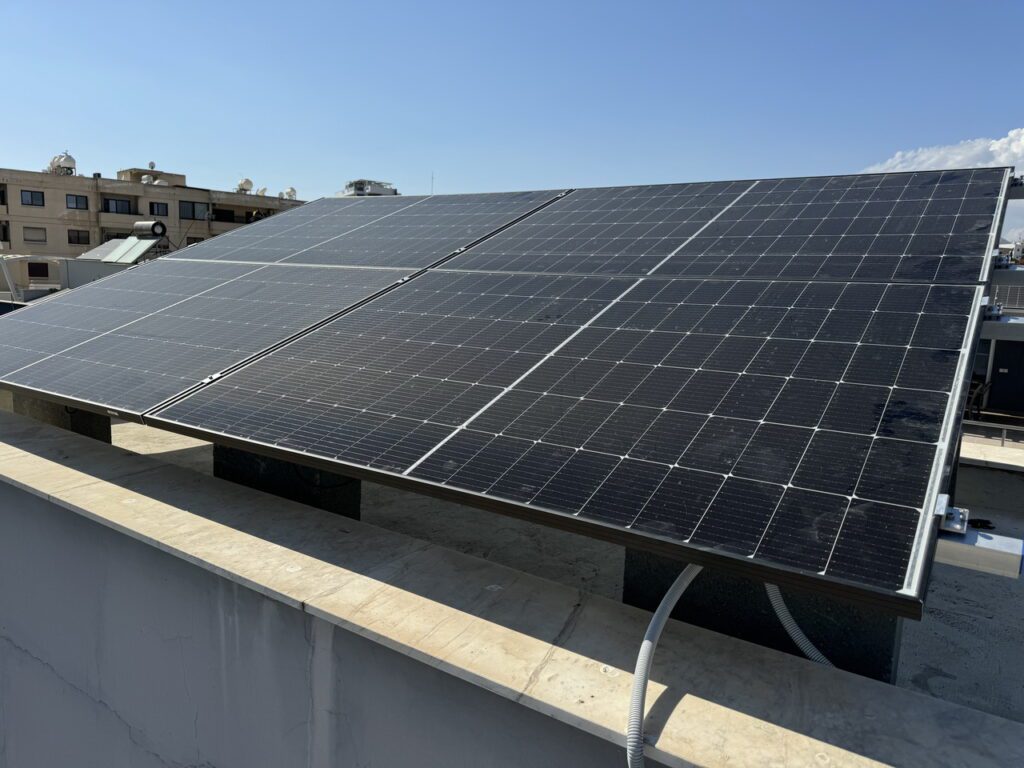
Do Solar Panels Work in Cloudy Weather? Helping Cyprus Homeowners Choose the Right Off-Grid Solar Solution Get a Free Quote! Buyer’s Guide Solar Knowledge Base Introduction One of the most common questions homeowners ask is: “Do solar panels stop working when it’s cloudy?” The simple answer is no. Although solar panels generate their highest output in bright sunshine, they continue producing electricity whenever daylight is available. Modern solar technology is designed to capture both direct sunlight and diffused light that passes through clouds. For homeowners in Cyprus, this means solar energy remains a practical solution throughout the year. How Solar Panels Generate Electricity Solar panels do not require intense heat to work. Instead, they convert light into electricity. This means they continue producing energy during: Cloudy weather Light rain Early morning Late afternoon Winter daylight Production is reduced compared with clear sunny days, but it does not stop completely. What Happens on Cloudy Days? Cloud cover reduces the amount of sunlight reaching the panels. As a result: Electricity production decreases. Battery charging may be slower. Stored battery energy becomes more important. A well-designed Off-Grid Solar System takes these variations into account when selecting panel capacity and battery storage. Cyprus Has Excellent Solar Conditions Cyprus enjoys one of the highest levels of solar irradiation in Europe. Even during winter, daylight hours remain suitable for solar energy production. Most days still provide useful solar generation, making Cyprus an ideal location for Off-Grid Solar Systems. Rather than focusing on occasional cloudy days, system designers consider annual solar production across all seasons. Why Battery Storage Matters Battery storage ensures your home continues receiving electricity even when solar production is temporarily reduced. During sunny periods, excess electricity is stored for later use. When clouds reduce generation, the batteries supply stored energy to household appliances. This creates a stable and reliable energy supply throughout the day. Smart Forecasting with Sigenergy At SolarCity Cyprus, we install advanced Sigenergy energy systems with intelligent energy management. Sigenergy technology helps homeowners by: Monitoring solar production in real time Tracking battery status Optimising charging and discharging Displaying energy information through a mobile app Automatically managing available energy throughout the day These intelligent features help make the most of changing weather conditions. Seasonal Changes Are Normal Solar production naturally changes during the year. Factors that influence output include: Day length Sun angle Weather conditions Panel orientation Temporary shading A professionally designed system considers these seasonal differences to deliver reliable year-round performance. Common Mistakes to Avoid Thinking Solar Panels Stop Working in Clouds Solar panels continue producing electricity whenever daylight is available. Expecting the Same Output Every Day Solar production naturally changes with weather and seasons. Ignoring Battery Storage Battery storage plays a key role in maintaining electricity when solar production is lower. Comparing One Cloudy Day with Annual Performance A solar system should always be evaluated based on its yearly energy production, not a single day’s weather. 💡 Expert Tip Think about your solar system over an entire year, not one cloudy afternoon. Professional system design is based on long-term weather patterns and annual solar production, ensuring reliable performance in all seasons. 📘 Did You Know? Solar panels often operate more efficiently in cooler temperatures than in extreme heat. Bright sunshine is important, but very high panel temperatures can slightly reduce efficiency, which is why good airflow around the panels is beneficial. Conclusion Solar panels continue generating electricity even during cloudy weather. While energy production is lower than on bright sunny days, a professionally designed Off-Grid Solar System combines solar generation with battery storage to provide reliable electricity throughout the year. With intelligent Sigenergy technology and expert planning from SolarCity Cyprus, homeowners can enjoy dependable renewable energy in Cyprus regardless of changing weather conditions. Frequently Asked Questions Do solar panels stop working when it is cloudy? No. They continue producing electricity whenever daylight is available, although output is lower than on clear sunny days. Will battery storage help during cloudy weather? Yes. Batteries store energy generated during sunnier periods and supply electricity when solar production decreases. Does Cyprus have enough sunshine for solar energy? Yes. Cyprus has one of the highest levels of annual sunshine in Europe, making it highly suitable for solar energy systems. Should I install more panels because of cloudy days? Not necessarily. The correct number of panels should be determined through a professional assessment of your annual energy needs and local solar conditions. Why does SolarCity Cyprus use Sigenergy? SolarCity Cyprus installs Sigenergy because its intelligent energy management, real-time monitoring, modular battery storage, and automatic optimisation help homeowners make the most of solar energy in all weather conditions. 🔗 Related System Component Guides Guide 3.3 – Is an Off-Grid Solar System Worth It in Cyprus Guide 3.4 – Common Financial Mistakes When Buying an Off-Grid Solar System Guide 3.5 – How to Compare Solar Quotes Like a Professional Guide 3.6 – 10 Questions to Ask Before Buying an Off-Grid Solar System Guide 4.1 – Off-Grid Solar Myths vs Facts Guide 4.2 – What Happens During a Power Outage with an Off-Grid Solar System? Guide 4.3 – Do Solar Panels Work in Cloudy Weather? Guide 4.4 – Do Solar Panels Need Regular Maintenance? (Coming Soon) Related Articles All Posts Costs & Savings Off-Grid Solar System Solar Buyer's Guide Solar System Installation Solar Panels in Cloudy Weather August 26, 2026/ Do Solar Panels Work in Cloudy Weather? Helping Cyprus Homeowners Choose the Right Off-Grid Solar Solution Get a Free Quote!… Read More Off-Grid Solar During Power Outages August 26, 2026/ What Happens During a Power Outage with an Off-Grid Solar System? Helping Cyprus Homeowners Choose the Right Off-Grid Solar Solution… Read More Off-Grid Solar Myths vs Facts August 24, 2026/ Off-Grid Solar Myths vs Facts Helping Cyprus Homeowners Choose the Right Off-Grid Solar Solution Get a Free Quote! Buyer’s Guide… Read More 10 Questions Before Buying Solar August 22, 2026/ 10 Questions to Ask Before Buying an Off-Grid Solar System Helping Cyprus Homeowners Choose the Right Off-Grid Solar
Off-Grid Solar During Power Outages
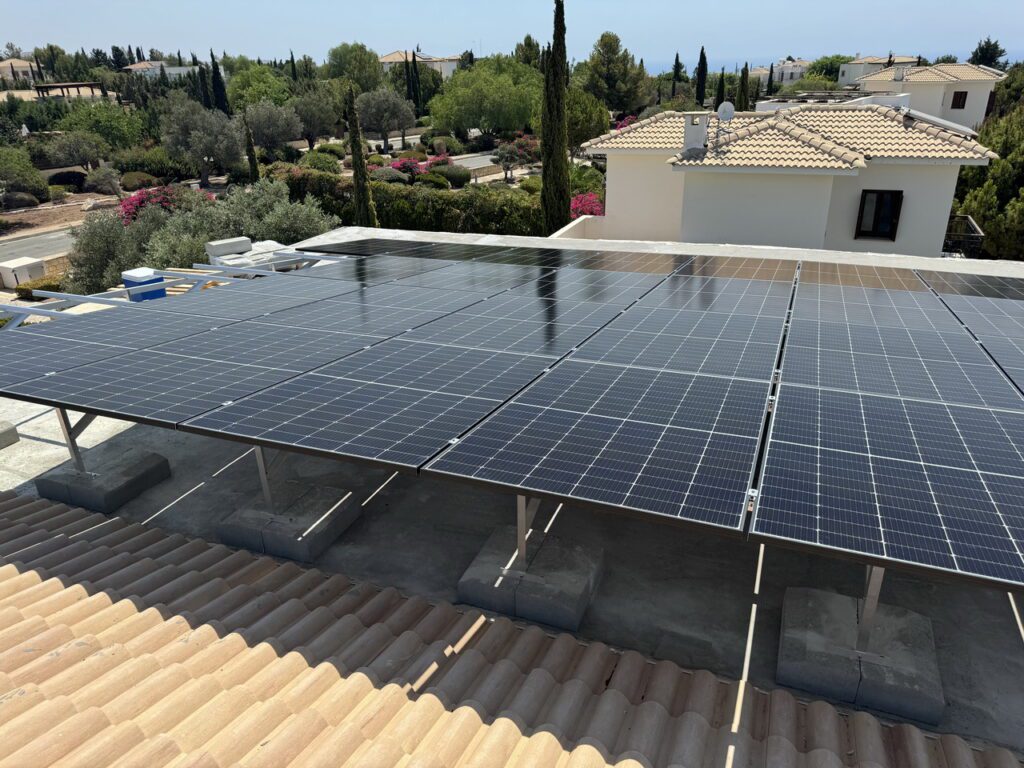
What Happens During a Power Outage with an Off-Grid Solar System? Helping Cyprus Homeowners Choose the Right Off-Grid Solar Solution Get a Free Quote! Buyer’s Guide Solar Knowledge Base Introduction Power outages can happen unexpectedly due to severe weather, equipment failures, or maintenance work. For many homeowners, one of the biggest questions is: “Will my home still have electricity if the power goes out?” With a properly designed Off-Grid Solar System, the answer is generally yes. The system is designed to operate independently, using solar panels and battery storage to supply electricity without relying on the public grid. How an Off-Grid Solar System Works Unlike systems that depend on the electricity network, an Off-Grid Solar System produces, stores, and supplies its own electricity. The main components include: Solar panels Battery storage Hybrid inverter Energy management system During the day, solar panels generate electricity. Any excess energy is stored in batteries for use later, including at night or during periods of low solar production. What Happens During an Outage? If there is a power outage in your area, an Off-Grid Solar System continues operating because it is designed to function independently of the public electricity network. Your home continues to receive electricity from: Stored battery energy Solar panels during daylight hours This allows essential household appliances to keep operating, provided the system has been correctly designed for your energy needs. The Importance of Battery Storage Battery storage is essential for maintaining electricity when sunlight is unavailable. The batteries supply power to household appliances such as: Lighting Refrigerators Internet equipment Security systems Televisions Small kitchen appliances The amount of time your home can operate depends on battery capacity and electricity consumption. Managing Energy During an Outage Although an Off-Grid Solar System continues operating, using electricity wisely is still important. For example, homeowners may choose to: Turn off unnecessary lighting Delay high-energy appliances Prioritise essential equipment Monitor battery levels Efficient energy use helps maximise the available stored energy. Intelligent Energy Management with Sigenergy At SolarCity Cyprus, we install advanced Sigenergy systems featuring AI-powered energy management. These systems can: Monitor battery levels in real time Optimise charging and discharging automatically Prioritise available energy Display system performance through a mobile app Help homeowners make informed energy decisions during changing conditions This intelligent management allows the system to use available energy as efficiently as possible. Planning for Backup Requirements Every household has different priorities. Some homeowners may want to support only essential appliances, while others prefer to power most of the home. During the planning stage, your installer should discuss: Daily electricity consumption Essential household loads Expected backup duration Future energy requirements This ensures the system is designed to match your expectations. Common Mistakes to Avoid Assuming Every System Provides the Same Backup Battery capacity and system design determine how much electricity is available during an outage. Ignoring Energy Consumption Running many high-power appliances at once will reduce available battery energy more quickly. Choosing Battery Capacity Without Professional Advice Battery storage should always be matched to your household’s energy profile. Forgetting About Future Expansion If your electricity needs increase later, choosing an expandable battery system provides greater flexibility. 💡 Expert Tip Think about which appliances are most important during a power outage. Discuss these priorities with your installer so your Off-Grid Solar System can be designed around your household’s real needs. 📘 Did You Know? Many modern energy storage systems can display live battery status, solar production, and household electricity usage directly on a smartphone, giving homeowners greater visibility and control during both normal operation and unexpected outages. Conclusion An Off-Grid Solar System is designed to continue supplying electricity even when the public power network is unavailable. By combining solar panels, battery storage, and intelligent energy management, homeowners can maintain reliable power for essential household appliances and enjoy greater energy independence. With AI-powered Sigenergy technology and professional system design from SolarCity Cyprus, homeowners gain a dependable energy solution built for everyday use as well as unexpected situations. Frequently Asked Questions Will my Off-Grid Solar System continue working during a power outage? Yes. An Off-Grid Solar System operates independently of the public electricity network and uses battery storage together with solar panels to supply power. How long can battery storage power my home? The duration depends on battery capacity and how much electricity your household uses during the outage. Will solar panels continue charging the batteries? Yes. Whenever sufficient daylight is available, solar panels continue generating electricity and can recharge the batteries. Can I power my entire home during an outage? That depends on the system design, battery capacity, and your household’s electricity demand. A professional assessment helps determine the most suitable configuration. Why does SolarCity Cyprus use Sigenergy? SolarCity Cyprus installs Sigenergy because its AI-powered energy management, intelligent battery control, advanced monitoring, and modular design help homeowners maintain reliable power while maximising energy efficiency. 🔗 Related System Component Guides Guide 3.3 – Is an Off-Grid Solar System Worth It in Cyprus Guide 3.4 – Common Financial Mistakes When Buying an Off-Grid Solar System Guide 3.5 – How to Compare Solar Quotes Like a Professional Guide 3.6 – 10 Questions to Ask Before Buying an Off-Grid Solar System Guide 4.1 – Off-Grid Solar Myths vs Facts Guide 4.2 – What Happens During a Power Outage with an Off-Grid Solar System? Guide 4.3 – Do Solar Panels Work in Cloudy Weather? (Coming Soon) Related Articles All Posts Costs & Savings Off-Grid Solar System Solar Buyer's Guide Solar System Installation Off-Grid Solar During Power Outages August 26, 2026/ What Happens During a Power Outage with an Off-Grid Solar System? Helping Cyprus Homeowners Choose the Right Off-Grid Solar Solution… Read More Off-Grid Solar Myths vs Facts August 24, 2026/ Off-Grid Solar Myths vs Facts Helping Cyprus Homeowners Choose the Right Off-Grid Solar Solution Get a Free Quote! Buyer’s Guide… Read More 10 Questions Before Buying Solar August 22, 2026/ 10 Questions to Ask Before Buying an Off-Grid Solar System Helping Cyprus Homeowners Choose the Right Off-Grid Solar Solution
Off-Grid Solar Myths vs Facts
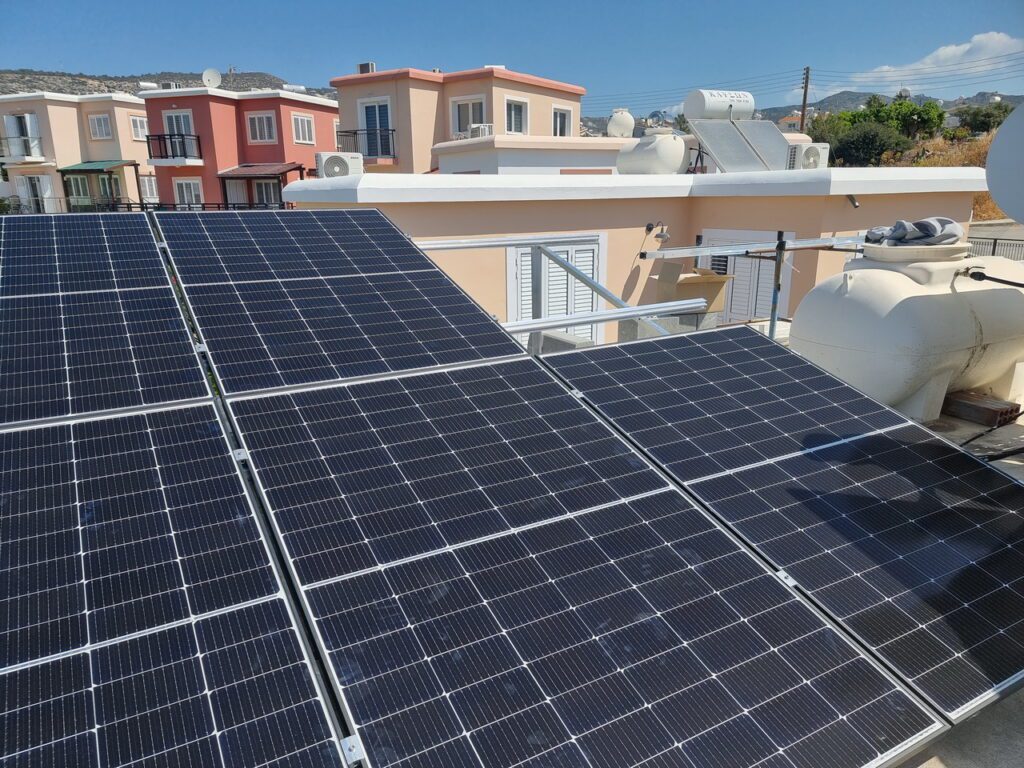
Off-Grid Solar Myths vs Facts Helping Cyprus Homeowners Choose the Right Off-Grid Solar Solution Get a Free Quote! Buyer’s Guide Solar Knowledge Base Introduction Off-Grid Solar Systems are becoming increasingly popular in Cyprus, but many homeowners still hesitate because of outdated information or common misconceptions. Some myths come from older solar technologies, while others are simply misunderstandings about how modern systems work. Let’s separate the myths from the facts. Myth 1: Solar Panels Only Work on Sunny Days Fact Solar panels generate the most electricity in direct sunlight, but they can also produce power under cloudy conditions. Output is lower on overcast days, yet the system continues generating electricity whenever daylight is available. Battery storage also helps provide power when solar production is reduced. Myth 2: Bigger Batteries Are Always Better Fact Battery capacity should match your household’s energy consumption. Installing a battery that is much larger than necessary may increase costs without providing additional practical benefits. A professionally designed system balances battery capacity with your daily electricity needs. Myth 3: Solar Systems Require Constant Maintenance Fact Modern Off-Grid Solar Systems require relatively little routine maintenance. Typical maintenance includes: Keeping panels reasonably clean Periodic visual inspections Monitoring system performance Following the installer’s maintenance recommendations Modern monitoring systems make it easy to identify potential issues early. Myth 4: Every Home Needs the Same Solar System Fact No two homes are exactly alike. A suitable system depends on: Household electricity consumption Number of occupants Lifestyle Battery requirements Future energy plans Available roof space Professional system design is essential. Myth 5: Solar Energy Is Only About Saving Money Fact Financial savings are important, but many homeowners also value: Greater energy independence Better control over energy use Reduced environmental impact Preparation for future energy needs Different homeowners have different priorities. Myth 6: Once Installed, the System Can Never Be Expanded Fact Many modern energy storage systems are designed for future growth. For example, modular battery technology allows homeowners to increase storage capacity if their electricity requirements change. This flexibility is especially useful for households planning to purchase an electric vehicle or expand their home. Smart Energy Management with Sigenergy At SolarCity Cyprus, we install intelligent Sigenergy energy storage systems that combine flexibility with advanced technology. Key features include: Intelligent battery management Modular battery expansion Real-time monitoring Mobile app control Automatic energy optimisation These technologies help homeowners understand exactly how their energy is produced, stored, and consumed. Why Professional Advice Matters Many myths exist because homeowners receive incomplete or outdated information. A professional assessment considers: Household electricity usage Roof characteristics Battery requirements Future plans System scalability This ensures the recommended solution is based on real energy needs rather than assumptions. 💡 Expert Tip If you hear a surprising claim about solar energy, ask whether it applies to modern systems or older technology. Solar technology has advanced significantly in recent years, especially in battery storage and intelligent energy management. 📘 Did You Know? Modern monitoring systems allow homeowners to check solar production, battery status, and household electricity consumption directly from a smartphone, helping them understand how their system performs every day. Conclusion Many common myths about Off-Grid Solar Systems are based on outdated information or misunderstandings. Today’s systems are more intelligent, flexible, and efficient than ever before. By understanding the facts, homeowners can make informed decisions based on their own energy needs rather than misconceptions. With expert guidance and advanced Sigenergy technology, SolarCity Cyprus helps homeowners invest in reliable Off-Grid Solar Systems designed for long-term performance. Frequently Asked Questions Do solar panels work on cloudy days? Yes. Solar panels continue producing electricity whenever daylight is available, although output is usually lower than on bright sunny days. Is the biggest battery always the best choice? No. The ideal battery size depends on your household’s electricity consumption and future energy plans. Do Off-Grid Solar Systems need a lot of maintenance? No. Most systems require only routine inspections, occasional cleaning, and regular performance monitoring. Can I expand my solar system later? Many modern systems, including Sigenergy, support modular battery expansion and can often be upgraded as your energy needs grow. Why does SolarCity Cyprus use Sigenergy? SolarCity Cyprus installs Sigenergy because it combines intelligent energy management, modular battery expansion, advanced monitoring, and reliable long-term performance for modern Off-Grid Solar Systems. 🔗 Related System Component Guides Guide 3.1 – Understanding the Cost of an Off-Grid Solar System in Cyprus Guide 3.2 – How to Calculate the Return on Investment of an Off-Grid Solar System Guide 3.3 – Is an Off-Grid Solar System Worth It in Cyprus Guide 3.4 – Common Financial Mistakes When Buying an Off-Grid Solar System Guide 3.5 – How to Compare Solar Quotes Like a Professional Guide 3.6 – 10 Questions to Ask Before Buying an Off-Grid Solar System Guide 4.2 – What Happens During a Power Outage with an Off-Grid Solar System? (Coming Soon) Related Articles All Posts Costs & Savings Off-Grid Solar System Solar Buyer's Guide Solar System Installation Off-Grid Solar Myths vs Facts August 24, 2026/ Off-Grid Solar Myths vs Facts Helping Cyprus Homeowners Choose the Right Off-Grid Solar Solution Get a Free Quote! Buyer’s Guide… Read More 10 Questions Before Buying Solar August 22, 2026/ 10 Questions to Ask Before Buying an Off-Grid Solar System Helping Cyprus Homeowners Choose the Right Off-Grid Solar Solution Get… Read More Compare Solar Quotes Like a Pro August 21, 2026/ How to Compare Solar Quotes Like a Professional Helping Cyprus Homeowners Choose the Right Off-Grid Solar Solution Get a Free… Read More Avoid Solar Buying Mistakes August 20, 2026/ Common Financial Mistakes When Buying an Off-Grid Solar System Helping Cyprus Homeowners Choose the Right Off-Grid Solar Solution Get a… Read More Is Off-Grid Solar Worth It? August 19, 2026/ Is an Off-Grid Solar System Worth It in Cyprus? Helping Cyprus Homeowners Choose the Right Off-Grid Solar Solution Get a… Read More Calculate Off-Grid Solar ROI August 18, 2026/ How to Calculate the Return on Investment of an Off-Grid Solar System Helping Cyprus Homeowners Choose the
10 Questions Before Buying Solar
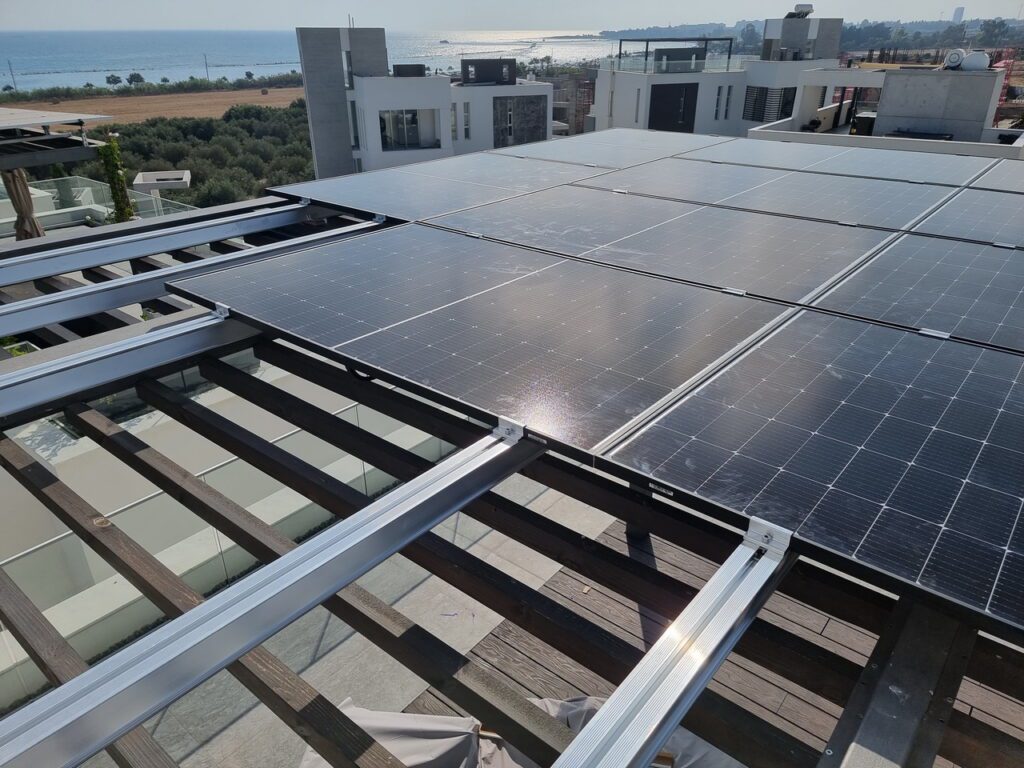
10 Questions to Ask Before Buying an Off-Grid Solar System Helping Cyprus Homeowners Choose the Right Off-Grid Solar Solution Get a Free Quote! Buyer’s Guide Solar Knowledge Base Introduction Buying an Off-Grid Solar System is an important investment, and asking the right questions before making a decision can help you avoid costly mistakes. A professional installer should be happy to explain how the system works, why specific equipment has been recommended, and how it will meet your home’s energy needs. Here are ten questions every homeowner in Cyprus should ask before signing a contract. 1. Is the System Designed Specifically for My Home? Every home is different. Your installer should evaluate: Household electricity consumption Daily energy usage Roof characteristics Future expansion plans Battery requirements A customised design is always better than a standard package. 2. Why Was This Battery Capacity Recommended? Battery storage should match your actual energy needs. Ask your installer: Why this battery size? Can it support my evening electricity usage? Can I expand it later? Understanding the recommendation helps you make an informed decision. 3. Can the System Be Expanded in the Future? Your energy needs may change. For example, you may later add: An electric vehicle More air conditioning A swimming pool A home office Additional family members A modular system provides valuable flexibility. 4. What Monitoring Tools Are Included? Modern systems should provide easy access to energy information. Ask whether you can monitor: Solar production Battery status Household electricity consumption Historical performance System notifications Real-time monitoring helps you optimise energy usage. 5. What Warranties Are Provided? Always ask about: Solar panel warranty Battery warranty Inverter warranty Installation warranty Understanding warranty coverage gives greater confidence in your investment. 6. Who Will Install the System? Professional installation is just as important as equipment quality. Ask: Will the installation be completed by experienced technicians? Who is responsible for testing and commissioning? Will I receive training on using the system? 7. What Support Is Available After Installation? Your relationship with the installer should continue after the project is completed. Ask about: Technical support Maintenance recommendations Software updates Future upgrades Reliable after-sales service adds long-term value. 8. How Will the System Perform as My Needs Change? Discuss your future plans with the installer. You may eventually need: More battery storage Additional solar panels EV charging Greater household electricity capacity Planning ahead makes future upgrades much easier. 9. Why Was This Equipment Selected? A professional installer should explain why each component was chosen. The recommendation should consider: Reliability Performance Expandability Ease of monitoring Long-term value Understanding these choices helps you compare quotations more effectively. 10. Why Is This System the Best Choice for My Home? Perhaps the most important question of all. A professional installer should explain how the proposed system matches: Your lifestyle Your electricity consumption Your property Your future plans The answer should focus on your needs—not simply on selling equipment. Smart Energy Management with Sigenergy At SolarCity Cyprus, we install advanced Sigenergy systems designed to combine intelligent energy management with long-term flexibility. Key advantages include: Intelligent battery management Real-time monitoring Modular battery expansion Mobile app control Automatic energy optimisation These features help homeowners understand and manage their energy more effectively. 💡 Expert Tip The quality of the answers is often just as important as the questions you ask. A knowledgeable installer should explain every recommendation clearly and help you understand why the proposed system is suitable for your home. 📘 Did You Know? Homeowners who ask detailed questions before purchasing a solar system often feel more confident in their decision and have a better understanding of how to maximise their system’s performance after installation. Conclusion Choosing an Off-Grid Solar System is about more than selecting equipment. By asking the right questions before signing a contract, you can better understand your options, compare proposals fairly, and invest in a solution that matches both your current and future energy needs. With professional advice and advanced Sigenergy technology, SolarCity Cyprus helps homeowners make informed decisions and enjoy reliable, future-ready energy solutions. Frequently Asked Questions Should I ask for a personalised system design? Yes. Every home has different energy requirements, so a customised design is essential. Why is battery expandability important? Expandable battery systems allow you to increase storage capacity if your electricity needs grow. Should I ask about monitoring? Absolutely. Monitoring helps you understand how much electricity your system generates, stores, and uses. Is after-sales support important? Yes. Reliable support ensures your system continues to perform efficiently throughout its lifetime. Why does SolarCity Cyprus use Sigenergy? SolarCity Cyprus installs Sigenergy because it provides intelligent energy management, modular battery storage, advanced monitoring, and flexible expansion, helping homeowners get the most from their Off-Grid Solar System. 🔗 Related System Component Guides Guide 3.1 – Understanding the Cost of an Off-Grid Solar System in Cyprus Guide 3.2 – How to Calculate the Return on Investment of an Off-Grid Solar System Guide 3.3 – Is an Off-Grid Solar System Worth It in Cyprus Guide 3.4 – Common Financial Mistakes When Buying an Off-Grid Solar System Guide 3.5 – How to Compare Solar Quotes Like a Professional Guide 4.1 – Off-Grid Solar Myths vs Facts (Coming Soon) Related Articles All Posts Costs & Savings Off-Grid Solar System Solar Buyer's Guide Solar System Installation 10 Questions Before Buying Solar August 22, 2026/ 10 Questions to Ask Before Buying an Off-Grid Solar System Helping Cyprus Homeowners Choose the Right Off-Grid Solar Solution Get… Read More Compare Solar Quotes Like a Pro August 21, 2026/ How to Compare Solar Quotes Like a Professional Helping Cyprus Homeowners Choose the Right Off-Grid Solar Solution Get a Free… Read More Avoid Solar Buying Mistakes August 20, 2026/ Common Financial Mistakes When Buying an Off-Grid Solar System Helping Cyprus Homeowners Choose the Right Off-Grid Solar Solution Get a… Read More Is Off-Grid Solar Worth It? August 19, 2026/ Is an Off-Grid Solar System Worth It in Cyprus? Helping Cyprus Homeowners Choose the Right Off-Grid Solar Solution Get a… Read More Calculate
Compare Solar Quotes Like a Pro
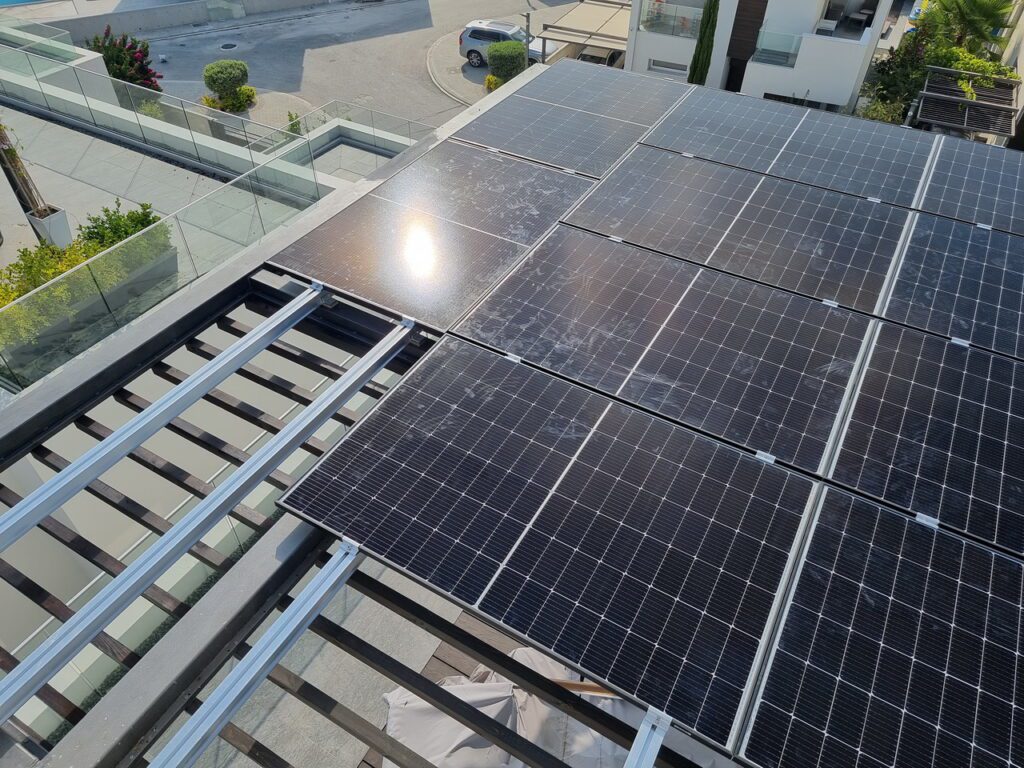
How to Compare Solar Quotes Like a Professional Helping Cyprus Homeowners Choose the Right Off-Grid Solar Solution Get a Free Quote! Buyer’s Guide Solar Knowledge Base Introduction Receiving several quotations for an Off-Grid Solar System is a smart way to explore your options. However, many homeowners make the mistake of comparing only the final price. In reality, two systems with similar prices may offer very different performance, flexibility, and long-term value. Understanding what is included in each proposal will help you make a confident decision. Don’t Compare Price Alone The lowest quotation is not always the best investment. A complete comparison should include: Equipment quality Battery technology Inverter specifications Installation standards Monitoring features Warranty terms Future expandability Technical support Looking beyond the price gives you a much clearer picture of overall value. Check the Equipment List A professional quotation should clearly explain what is included. Look for information about: Solar panels Hybrid inverter Battery storage Mounting system Protection equipment Monitoring platform If important components are missing from the quotation, ask for clarification before making a decision. Understand the Battery System Battery storage is one of the most valuable parts of an Off-Grid Solar System. When comparing quotations, consider: Battery capacity Expandability Battery technology Monitoring capabilities Future upgrade options A modular battery system often provides greater flexibility as household energy needs change. Ask About Installation Quality Even excellent equipment requires professional installation. Ask questions such as: Who performs the installation? Is the installation team experienced? What testing is completed before handover? Will the installer explain how the system works? Professional installation helps maximise long-term reliability. Review the Warranty Not all warranties provide the same level of protection. Check: Equipment warranty Battery warranty Installation warranty Service procedures Technical support availability Understanding warranty coverage before signing a contract helps avoid misunderstandings later. Consider Future Expansion Your energy needs today may not be the same in five years. You may eventually add: An electric vehicle More battery storage Additional solar panels Air conditioning A swimming pool A home extension A system designed for expansion can reduce future upgrade costs. Smart Energy Management with Sigenergy At SolarCity Cyprus, we install advanced Sigenergy systems designed for flexibility and long-term performance. Sigenergy provides: Intelligent energy management Modular battery expansion Real-time monitoring Mobile app control Automatic system optimisation These features help homeowners monitor their energy use while preparing for future changes. Questions Worth Asking Every Installer Before choosing a supplier, ask: How was the system size calculated? Can the battery capacity be expanded later? What monitoring tools are included? How is after-sales support provided? What happens if my electricity needs increase? Clear answers often reveal the quality of both the proposal and the company behind it. Common Mistakes to Avoid Choosing the Lowest Quote Automatically Lower prices may reflect differences in equipment, installation, or support. Ignoring Warranty Details Always understand what is covered and for how long. Forgetting About Future Needs A system that can grow with your household often provides better long-term value. Comparing Different System Sizes Always compare quotations that are designed for similar energy requirements. 💡 Expert Tip A professional quotation explains why the proposed system suits your home—not just what it costs. The best proposals demonstrate an understanding of your lifestyle, electricity usage, and future plans. 📘 Did You Know? The most expensive quotation is not always the best choice—and the cheapest is not always the most economical over the system’s lifetime. Comparing value rather than price usually leads to better decisions. Conclusion Choosing an Off-Grid Solar System involves much more than comparing prices. Equipment quality, battery technology, installation standards, warranties, and future expandability all influence the long-term value of your investment. By working with experienced professionals and selecting advanced Sigenergy technology, SolarCity Cyprus helps homeowners choose solar solutions that are reliable, flexible, and designed to meet both today’s and tomorrow’s energy needs. Frequently Asked Questions Should I always choose the cheapest quotation? Not necessarily. A lower price may reflect differences in equipment quality, installation standards, or after-sales support. What should every solar quotation include? A detailed quotation should describe the equipment, battery storage, inverter, monitoring system, installation scope, and warranty terms. Why is battery expandability important? Expandable battery systems allow homeowners to increase storage capacity if their energy needs grow in the future. Should I ask about monitoring? Yes. A monitoring platform helps you track solar production, battery status, and household energy consumption in real time. Why does SolarCity Cyprus use Sigenergy? SolarCity Cyprus installs Sigenergy because it combines intelligent energy management, modular battery expansion, advanced monitoring, and reliable long-term performance for modern Off-Grid Solar Systems. 🔗 Related System Component Guides Guide 3.1 – Understanding the Cost of an Off-Grid Solar System in Cyprus Guide 3.2 – How to Calculate the Return on Investment of an Off-Grid Solar System Guide 3.3 – Is an Off-Grid Solar System Worth It in Cyprus Guide 3.4 – Common Financial Mistakes When Buying an Off-Grid Solar System Guide 3.6 – Questions to Ask Before Buying an Off-Grid Solar System (Coming Soon) Related Articles All Posts Costs & Savings Off-Grid Solar System Solar Buyer's Guide Solar System Installation Compare Solar Quotes Like a Pro August 21, 2026/ How to Compare Solar Quotes Like a Professional Helping Cyprus Homeowners Choose the Right Off-Grid Solar Solution Get a Free… Read More Avoid Solar Buying Mistakes August 20, 2026/ Common Financial Mistakes When Buying an Off-Grid Solar System Helping Cyprus Homeowners Choose the Right Off-Grid Solar Solution Get a… Read More Is Off-Grid Solar Worth It? August 19, 2026/ Is an Off-Grid Solar System Worth It in Cyprus? Helping Cyprus Homeowners Choose the Right Off-Grid Solar Solution Get a… Read More Calculate Off-Grid Solar ROI August 18, 2026/ How to Calculate the Return on Investment of an Off-Grid Solar System Helping Cyprus Homeowners Choose the Right Off-Grid Solar… Read More Off-Grid Solar System Cost Cyprus August 16, 2026/ Understanding the Cost of an Off-Grid Solar System in Cyprus Helping Cyprus Homeowners Choose the Right Off-Grid Solar Solution Get… Read More
Avoid Solar Buying Mistakes
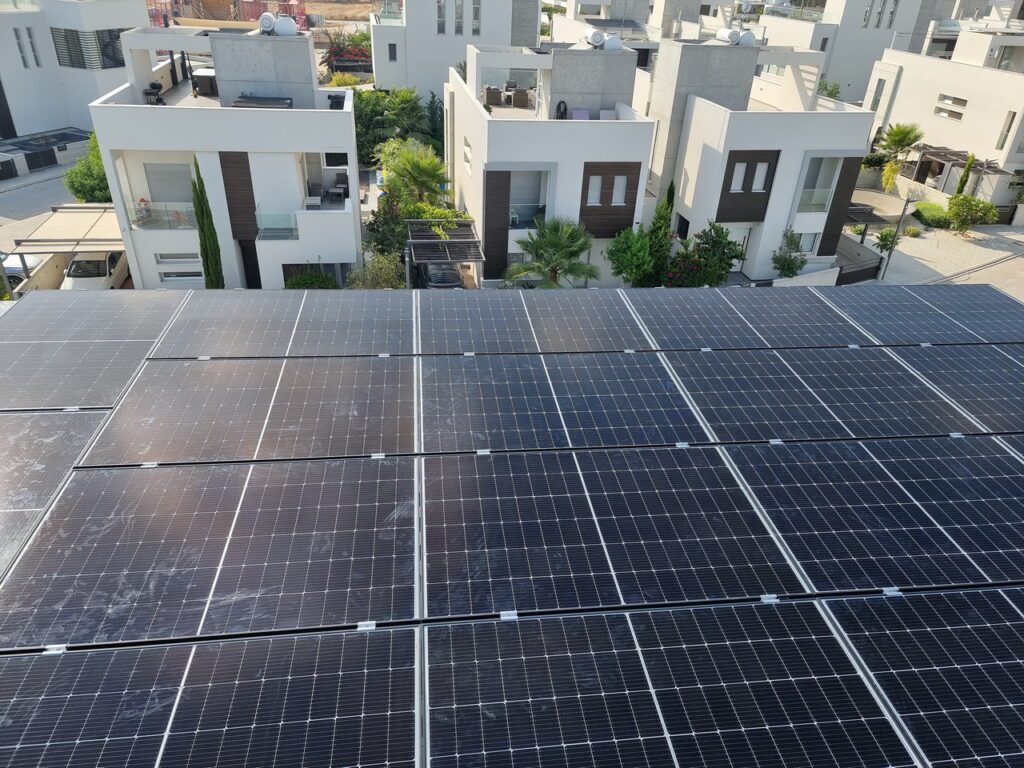
Common Financial Mistakes When Buying an Off-Grid Solar System Helping Cyprus Homeowners Choose the Right Off-Grid Solar Solution Get a Free Quote! Buyer’s Guide Solar Knowledge Base Introduction Purchasing an Off-Grid Solar System is a significant long-term investment. Like any major home improvement project, making informed decisions before installation can help you achieve better performance and greater value over the years. Many financial mistakes occur not because homeowners make poor decisions, but because they do not have enough information during the planning stage. Understanding the most common pitfalls can help you invest more confidently. Mistake 1: Choosing the Lowest Price Everyone likes to save money, but the lowest quotation is not always the best value. Lower-priced systems may differ in: Equipment quality Battery technology Monitoring capabilities Warranty coverage Installation standards Future expandability Comparing only the final price rarely provides the full picture. Mistake 2: Buying a System That Is Too Small Some homeowners choose the smallest available system to reduce the initial investment. However, an undersized system may not meet daily energy requirements, especially if electricity consumption increases in the future. Professional sizing helps balance investment with long-term performance. Mistake 3: Paying for Capacity You May Never Use The opposite mistake is purchasing a system that is much larger than your actual needs. An oversized system can increase the initial investment without delivering proportional practical benefits. A personalised design helps determine the most suitable system size. Mistake 4: Ignoring Future Lifestyle Changes Your household may change over the coming years. Future energy demands might include: An electric vehicle A swimming pool Additional air conditioning A home office Home extensions Growing family needs Planning for expansion today can reduce future upgrade costs. Mistake 5: Looking Only at Solar Panels Solar panels are only one part of the complete system. A reliable Off-Grid Solar System also depends on: Battery storage Hybrid inverter Intelligent energy management Professional installation Monitoring software Every component contributes to the overall performance of the system. Mistake 6: Forgetting About Long-Term Support A solar system is designed to operate for many years. When choosing an installer, consider: Technical expertise Customer support Warranty assistance System monitoring Future upgrades Reliable after-sales support is an important part of your investment. Smart Energy Management with Sigenergy At SolarCity Cyprus, we install advanced Sigenergy energy storage systems that combine intelligent technology with long-term flexibility. Sigenergy offers: Real-time monitoring Intelligent battery management Modular battery expansion Automatic energy optimisation Easy system control through a mobile app These features help homeowners maximise both performance and long-term value. Why Professional Advice Saves Money Professional planning often prevents expensive mistakes. Experienced designers assess: Household electricity consumption Daily energy usage Roof characteristics Battery requirements Future expansion plans A properly designed system helps avoid unnecessary expenses while ensuring reliable performance. Common Mistakes to Avoid Comparing Quotes Without Comparing Equipment Two systems with similar prices may include very different components and capabilities. Thinking Only About Today Solar systems should be designed for long-term household needs, not only current electricity usage. Ignoring Monitoring Features Energy monitoring helps homeowners understand and optimise system performance. Choosing Price Over Quality A dependable system with quality components often delivers better value over its lifetime. 💡 Expert Tip Don’t ask, “Which system is the cheapest?” Ask, “Which system gives me the best value over the next 15–20 years?” Long-term thinking usually leads to better investment decisions. 📘 Did You Know? Many homeowners later wish they had planned for future expansion. Choosing a modular battery system from the beginning can make future upgrades simpler and more cost-effective. Conclusion Avoiding common financial mistakes begins with understanding your home’s energy needs and planning for the future. Rather than focusing only on the initial purchase price, consider equipment quality, battery storage, expandability, monitoring features, and professional installation. With expert guidance and advanced Sigenergy technology, SolarCity Cyprus helps homeowners invest in Off-Grid Solar Systems that deliver reliable performance and lasting value. Frequently Asked Questions Should I always choose the lowest-priced solar system? Not necessarily. The best choice depends on equipment quality, system design, battery technology, monitoring features, and long-term reliability. Is a larger system always a better investment? No. The system should be matched to your household’s actual energy requirements and future plans. Why is battery quality important? Battery storage is a key part of an Off-Grid Solar System and directly affects efficiency, flexibility, and long-term performance. Can I expand my system later? Yes. Many modern systems, including Sigenergy, support modular expansion, making it easier to add battery capacity or additional solar panels when needed. Why does SolarCity Cyprus use Sigenergy? SolarCity Cyprus installs Sigenergy because it offers intelligent energy management, scalable battery storage, advanced monitoring, and reliable long-term performance, providing homeowners with a flexible solution for both today’s and tomorrow’s energy needs. 🔗 Related System Component Guides Guide 2.9 – How Much Battery Storage Does a Cyprus Home Need? Guide 2.10 – How to Prepare Your Home for an Off-Grid Solar Installation Guide 3.1 – Understanding the Cost of an Off-Grid Solar System in Cyprus Guide 3.2 – How to Calculate the Return on Investment of an Off-Grid Solar System Guide 3.3 – Is an Off-Grid Solar System Worth It in Cyprus Guide 3.5 – How to Compare Solar Quotes Like a Professional (Coming Soon) Related Articles All Posts Costs & Savings Off-Grid Solar System Solar Buyer's Guide Solar System Installation Avoid Solar Buying Mistakes August 20, 2026/ Common Financial Mistakes When Buying an Off-Grid Solar System Helping Cyprus Homeowners Choose the Right Off-Grid Solar Solution Get a… Read More Is Off-Grid Solar Worth It? August 19, 2026/ Is an Off-Grid Solar System Worth It in Cyprus? Helping Cyprus Homeowners Choose the Right Off-Grid Solar Solution Get a… Read More Calculate Off-Grid Solar ROI August 18, 2026/ How to Calculate the Return on Investment of an Off-Grid Solar System Helping Cyprus Homeowners Choose the Right Off-Grid Solar… Read More Off-Grid Solar System Cost Cyprus August 16, 2026/ Understanding the Cost of an Off-Grid Solar System in Cyprus Helping Cyprus
Is Off-Grid Solar Worth It?
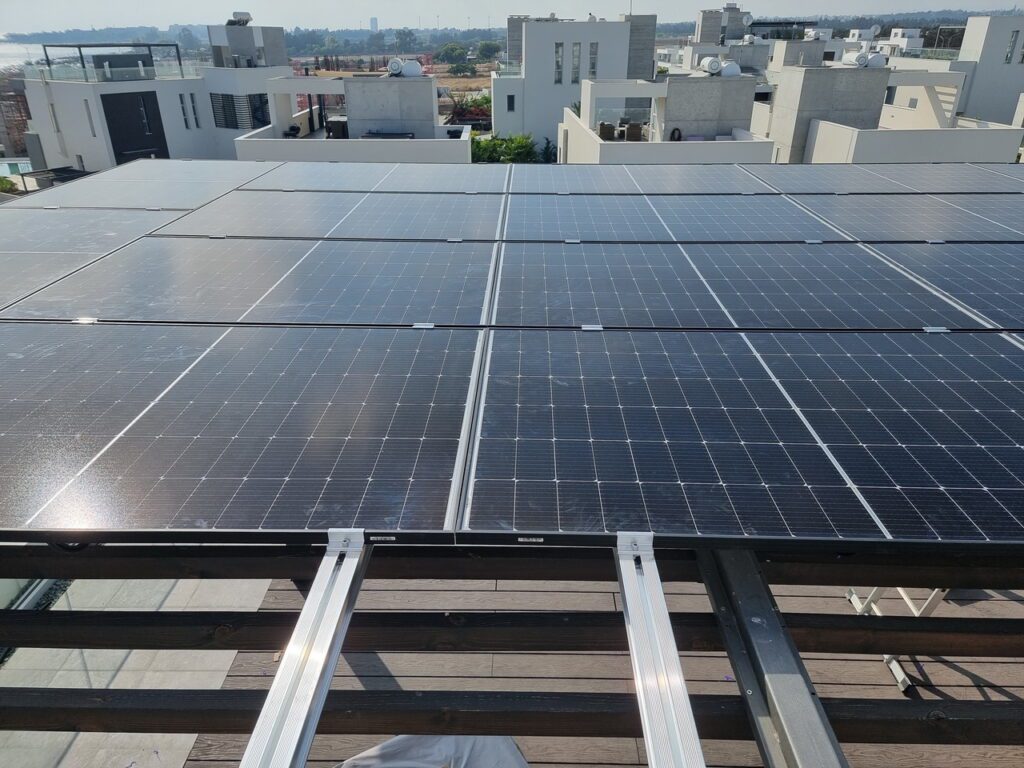
Is an Off-Grid Solar System Worth It in Cyprus? Helping Cyprus Homeowners Choose the Right Off-Grid Solar Solution Get a Free Quote! Buyer’s Guide Solar Knowledge Base Introduction If you are considering solar energy, one question probably comes to mind before any other: “Is an Off-Grid Solar System really worth the investment?” There is no single answer that applies to every homeowner. The value of an Off-Grid Solar System depends on your property’s energy requirements, your daily lifestyle, and your long-term plans. The best approach is to evaluate whether the system fits your needs rather than looking for a simple “yes” or “no.” What Does “Worth It” Mean? For different homeowners, value means different things. Some people want to: Reduce long-term electricity expenses Increase energy independence Improve environmental sustainability Prepare for future energy needs Add value to their property Understanding your priorities helps determine whether an Off-Grid Solar System is the right solution. When an Off-Grid Solar System Makes Sense An Off-Grid Solar System may be a good choice for homeowners who: Want greater control over their energy supply Plan to stay in their property for many years Expect electricity demand to increase over time Value intelligent energy management Prefer investing in long-term solutions Each property should be assessed individually before making a decision. Lifestyle Makes a Difference Your daily routine has a significant impact on how efficiently a solar system operates. For example: Families working from home may use more daytime solar energy. Homes with electric vehicles may benefit from planned charging schedules. Properties with swimming pools or frequent air conditioning use have different energy profiles. The system should be designed around how you actually live. Think Beyond Today’s Needs A solar installation is a long-term investment. Consider whether you may eventually add: An electric vehicle A home office More air conditioning A swimming pool A home extension Additional family members Planning for future energy demand helps your system remain suitable for many years. The Importance of Battery Storage Battery storage plays a central role in an Off-Grid Solar System. It allows homeowners to: Store excess daytime solar energy Use electricity after sunset Improve energy independence Optimise household energy consumption Choosing the right battery capacity is just as important as selecting the solar panels themselves. Smart Energy Management with Sigenergy At SolarCity Cyprus, we install advanced Sigenergy energy storage systems designed to maximise efficiency and flexibility. Key features include: Intelligent energy management Modular battery expansion Real-time monitoring Mobile app control Automatic system optimisation These technologies help homeowners understand how their energy is produced, stored, and used every day. Professional Advice Makes the Difference Every property is different. Professional designers evaluate: Household electricity consumption Roof characteristics Battery requirements Future expansion plans Daily energy usage patterns A personalised assessment helps homeowners choose a solution that matches both their current and future needs. Common Mistakes to Avoid Assuming Every Home Needs the Same System Energy consumption varies significantly between households. Focusing Only on Equipment Price The quality of the design and installation is just as important as the equipment itself. Ignoring Future Lifestyle Changes Your electricity requirements may increase over time. Choosing Without Professional Assessment Every successful installation begins with understanding the property’s unique energy profile. 💡 Expert Tip Don’t ask whether Off-Grid Solar is worth it in general—ask whether it’s the right solution for your home. The answer depends on your energy goals, lifestyle, and future plans. 📘 Did You Know? Many homeowners decide to install solar not only to reduce long-term energy costs but also to gain greater control over how and when they use electricity. Conclusion An Off-Grid Solar System can be an excellent investment for many homeowners in Cyprus, but the right solution depends on individual circumstances. By considering your energy consumption, future plans, battery storage requirements, and long-term goals, you can make a confident and informed decision. With professional system design and advanced Sigenergy technology, SolarCity Cyprus helps homeowners choose energy solutions that deliver reliability, flexibility, and long-term value. Frequently Asked Questions Is an Off-Grid Solar System suitable for every home? Not necessarily. The suitability depends on the property’s energy requirements, available space, and the homeowner’s long-term goals. Is battery storage always included? Yes. Battery storage is an essential part of an Off-Grid Solar System because it stores electricity for use when solar panels are not producing energy. Can the system be expanded in the future? Yes. Sigenergy systems offer modular battery expansion and can be designed with future growth in mind. Should I focus only on reducing electricity costs? Lower energy costs are important, but homeowners should also consider reliability, energy independence, system flexibility, and future energy needs. Why does SolarCity Cyprus use Sigenergy? SolarCity Cyprus installs Sigenergy because it offers intelligent energy management, scalable battery storage, advanced monitoring, and reliable performance for modern Off-Grid Solar Systems. 🔗 Related System Component Guides Guide 2.8 – Off-Grid Solar for Apartment Buildings in Cyprus Guide 2.9 – How Much Battery Storage Does a Cyprus Home Need? Guide 2.10 – How to Prepare Your Home for an Off-Grid Solar Installation Guide 3.1 – Understanding the Cost of an Off-Grid Solar System in Cyprus Guide 3.2 – How to Calculate the Return on Investment of an Off-Grid Solar System Guide 3.4 – Common Financial Mistakes When Buying an Off-Grid Solar System (Coming Soon) Related Articles All Posts Costs & Savings Off-Grid Solar System Solar Buyer's Guide Solar System Installation Avoid Solar Buying Mistakes August 20, 2026/ Common Financial Mistakes When Buying an Off-Grid Solar System Helping Cyprus Homeowners Choose the Right Off-Grid Solar Solution Get a… Read More Is Off-Grid Solar Worth It? August 19, 2026/ Is an Off-Grid Solar System Worth It in Cyprus? Helping Cyprus Homeowners Choose the Right Off-Grid Solar Solution Get a… Read More Calculate Off-Grid Solar ROI August 18, 2026/ How to Calculate the Return on Investment of an Off-Grid Solar System Helping Cyprus Homeowners Choose the Right Off-Grid Solar… Read More Off-Grid Solar System Cost Cyprus August 16, 2026/ Understanding the Cost
Calculate Off-Grid Solar ROI
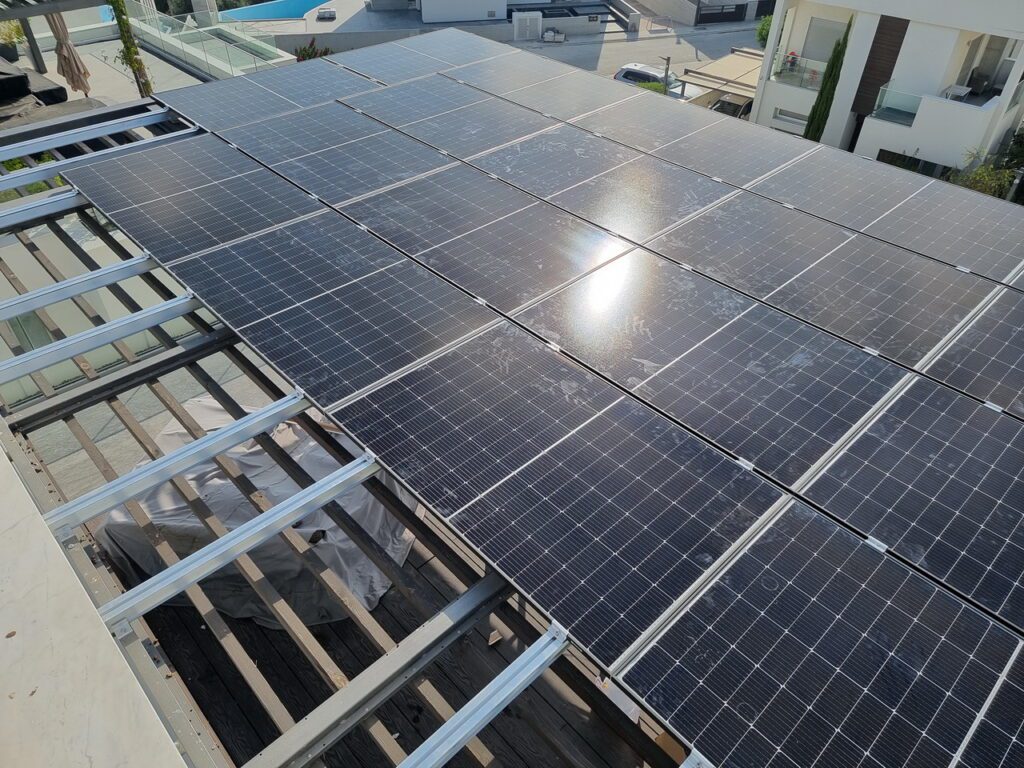
How to Calculate the Return on Investment of an Off-Grid Solar System Helping Cyprus Homeowners Choose the Right Off-Grid Solar Solution Get a Free Quote! Buyer’s Guide Solar Knowledge Base Introduction Installing an Off-Grid Solar System is a long-term investment. Naturally, many homeowners want to know: “When will my investment pay for itself?” The answer is different for every property. Return on investment (ROI) depends on how much electricity your household uses, how efficiently the solar system is designed, and how much of your own solar energy you consume. Rather than focusing on a fixed number of years, it is better to understand the factors that influence long-term value. What Is ROI? ROI stands for Return on Investment. In simple terms, it measures how the long-term financial benefits compare with the initial investment. For a solar energy system, ROI is influenced by: Household electricity consumption Solar energy production Battery storage capacity Equipment quality Installation quality Future electricity prices System lifespan These factors work together to determine the overall value of your investment. Your Energy Habits Matter Two homes with identical solar systems may achieve different results. For example: One family spends most of the day at home. Another family is away until evening. One household uses air conditioning frequently. Another has lower electricity demand. The more efficiently solar energy is used, the greater the potential long-term benefit. Battery Storage Improves Energy Use Battery storage allows homeowners to use more of the electricity generated during the day. Instead of relying only on daytime production, stored energy can be used: After sunset During the evening Overnight During periods of lower solar production Intelligent battery management can improve the overall efficiency of the entire system. Future Electricity Costs Electricity prices rarely remain unchanged forever. While no one can predict future tariffs with certainty, generating and storing your own electricity can reduce your dependence on external price changes. This is one of the reasons many homeowners consider solar energy a long-term investment rather than simply a way to reduce monthly expenses. System Quality Influences Long-Term Value ROI is about more than the purchase price. A professionally designed system with high-quality components may deliver: Greater reliability Better energy management Longer equipment life Easier future expansion Improved monitoring Long-term performance is often more valuable than a lower initial purchase price. Smart Energy Management with Sigenergy At SolarCity Cyprus, we install intelligent Sigenergy energy storage systems that help homeowners maximise the value of their investment. Key advantages include: Real-time monitoring Intelligent battery optimisation Modular battery expansion Automatic energy management User-friendly mobile app These features help homeowners understand and optimise how their solar energy is used every day. Why Professional Assessment Matters Calculating ROI involves much more than dividing the system cost by annual savings. Professional designers evaluate: Daily electricity usage Seasonal consumption Battery charging patterns Roof orientation Future household plans Expected system performance A personalised assessment provides a much more realistic understanding of long-term value than a simple online estimate. Common Mistakes to Avoid Focusing Only on Purchase Price The cheapest system may not provide the best long-term return. Ignoring Future Energy Needs Lifestyle changes can increase electricity demand over time. Comparing Different Systems Only by Payback Battery quality, monitoring features, and future expandability should also be considered. Expecting the Same ROI as Someone Else Every household has unique energy consumption patterns, so returns will naturally differ. 💡 Expert Tip Think beyond the payback period. A solar system should deliver reliable energy, flexibility, and peace of mind for many years—not just short-term financial savings. 📘 Did You Know? Homes that use a larger proportion of the electricity they generate themselves generally achieve better long-term value from their solar investment because less energy is wasted or left unused. Conclusion Calculating the return on investment of an Off-Grid Solar System involves much more than estimating annual savings. Household energy habits, battery storage, equipment quality, and professional system design all influence long-term performance. With advanced Sigenergy technology and expert guidance from SolarCity Cyprus, homeowners can invest in an energy solution designed to deliver reliable performance, flexibility, and lasting value for many years. Frequently Asked Questions What does ROI mean for a solar system? ROI measures how the long-term benefits of your solar system compare with the original investment. Does battery storage improve ROI? Battery storage can improve overall system efficiency by allowing more solar energy to be used when it is needed. Will every home have the same return on investment? No. Electricity consumption, lifestyle, roof conditions, and system design all affect long-term results. Can future expansion affect ROI? Yes. Choosing a modular system allows homeowners to adapt their solar installation as energy needs change. Why does SolarCity Cyprus use Sigenergy? SolarCity Cyprus installs Sigenergy because it provides intelligent energy management, modular battery expansion, advanced monitoring, and long-term reliability, helping homeowners maximise the value of their investment. 🔗 Related System Component Guides Guide 2.8 – Off-Grid Solar for Apartment Buildings in Cyprus Guide 2.9 – How Much Battery Storage Does a Cyprus Home Need? Guide 2.10 – How to Prepare Your Home for an Off-Grid Solar Installation Guide 3.1 – Understanding the Cost of an Off-Grid Solar System in Cyprus Guide 3.3 – Is an Off-Grid Solar System Worth It in Cyprus? (Coming Soon) Guide 3.4 – Common Financial Mistakes When Buying an Off-Grid Solar System (Coming Soon) Related Articles All Posts Costs & Savings Off-Grid Solar System Solar Buyer's Guide Solar System Installation Avoid Solar Buying Mistakes August 20, 2026/ Common Financial Mistakes When Buying an Off-Grid Solar System Helping Cyprus Homeowners Choose the Right Off-Grid Solar Solution Get a… Read More Is Off-Grid Solar Worth It? August 19, 2026/ Is an Off-Grid Solar System Worth It in Cyprus? Helping Cyprus Homeowners Choose the Right Off-Grid Solar Solution Get a… Read More Calculate Off-Grid Solar ROI August 18, 2026/ How to Calculate the Return on Investment of an Off-Grid Solar System Helping Cyprus Homeowners Choose the Right Off-Grid Solar… Read More Off-Grid Solar System Cost Cyprus August
Off-Grid Solar System Cost Cyprus
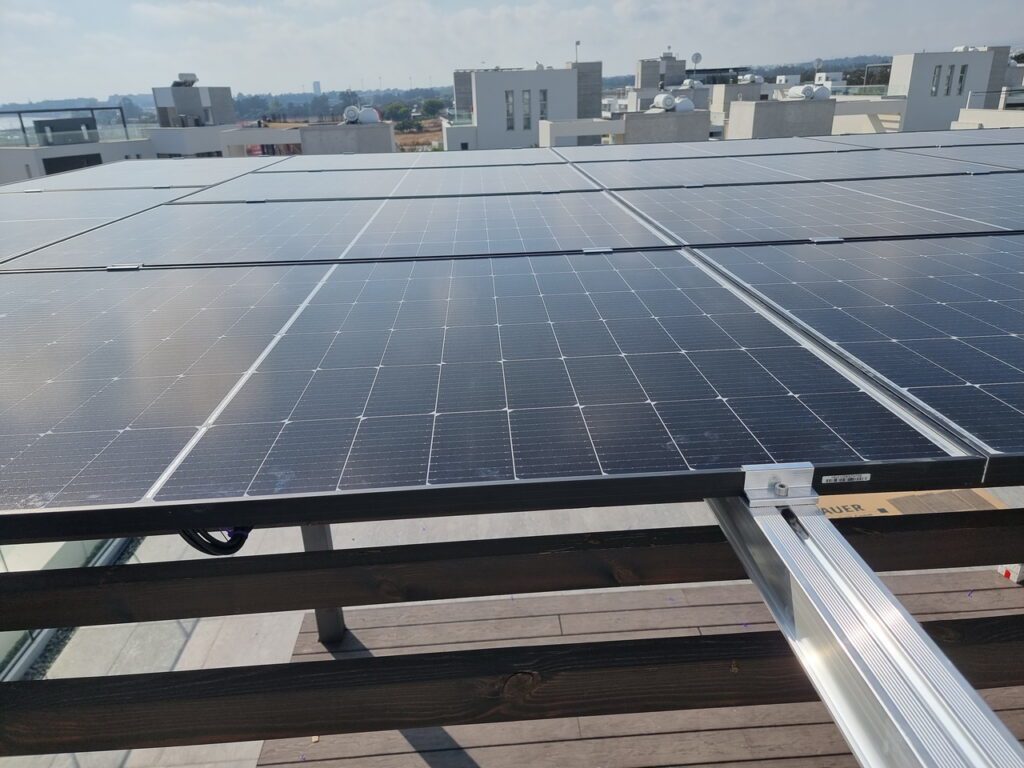
Understanding the Cost of an Off-Grid Solar System in Cyprus Helping Cyprus Homeowners Choose the Right Off-Grid Solar Solution Get a Free Quote! Buyer’s Guide Solar Knowledge Base Introduction One of the first questions homeowners ask is: “How much does an Off-Grid Solar System cost?” The answer depends on several factors. Every home has different energy requirements, and every solar installation should be designed to match the homeowner’s lifestyle, electricity consumption, and future plans. Instead of looking for a single price, it is more useful to understand what influences the overall investment. Every Home Is Different No two homes have exactly the same energy needs. Several factors influence the size and cost of a solar system, including: Household electricity consumption Number of occupants Air conditioning usage Battery storage requirements Roof size and layout Future expansion plans Electric vehicle charging Swimming pools or other high-energy equipment For this reason, professional installers design each system individually. What Makes Up the Total Cost? An Off-Grid Solar System includes several major components working together. These typically include: Solar panels Battery storage Hybrid inverter Mounting structures Electrical protection equipment Monitoring system Professional installation System commissioning Each component plays an important role in long-term reliability and performance. Why Battery Storage Is a Major Investment Battery storage is one of the most valuable parts of an Off-Grid Solar System. It allows homeowners to: Store excess solar energy Use electricity after sunset Improve energy independence Support essential household appliances Rather than choosing the largest battery available, it is usually better to select a capacity that matches the household’s actual energy requirements. Quality Matters More Than Initial Price It may be tempting to compare systems based only on the purchase price. However, long-term value also depends on: Equipment reliability Battery technology Monitoring capabilities Expandability Installation quality Manufacturer support A professionally designed system often provides better long-term performance than a lower-cost alternative. Planning for Future Expansion Many homeowners expand their energy requirements over time. Future additions may include: Electric vehicle charging More air conditioning Swimming pools Home extensions Additional battery storage Selecting equipment that supports future expansion can reduce upgrade costs later. Smart Energy Management with Sigenergy At SolarCity Cyprus, we install advanced Sigenergy systems designed to maximise the value of every solar installation. Key features include: Intelligent energy management Modular battery expansion Real-time monitoring Automatic battery optimisation Easy control through a mobile application These features help homeowners optimise energy usage while preparing for future growth. Why Professional Design Saves Money A professional assessment helps avoid both undersized and oversized systems. Experienced designers evaluate: Household electricity consumption Daily usage patterns Seasonal energy demand Roof characteristics Future lifestyle changes The goal is to recommend a solution that delivers the right balance between performance, flexibility, and investment. Common Mistakes to Avoid Looking Only at the Lowest Price The least expensive system is not always the best long-term investment. Buying More Than You Need Oversized systems may increase costs without providing additional practical benefits. Ignoring Future Plans Planning for future energy requirements can reduce upgrade costs later. Comparing Systems Without Understanding Their Components Two systems with similar prices may include very different equipment, battery technologies, and monitoring features. 💡 Expert Tip Think in terms of long-term value rather than upfront cost. A reliable Off-Grid Solar System should continue serving your household efficiently for many years while remaining flexible enough to adapt to future needs. 📘 Did You Know? Many homeowners discover that investing in high-quality equipment with intelligent monitoring and expandable battery storage provides greater long-term value than choosing the lowest initial price. Conclusion The cost of an Off-Grid Solar System in Cyprus depends on your home’s unique energy requirements and the quality of the equipment selected. Rather than focusing on a single price, homeowners should consider long-term reliability, battery storage, future expansion, and professional installation. With advanced Sigenergy technology and expert system design, SolarCity Cyprus helps homeowners invest in energy solutions that deliver lasting value, reliable performance, and greater energy independence. Frequently Asked Questions Why doesn’t every Off-Grid Solar System cost the same? Every home has different electricity consumption, battery requirements, and future energy plans, so each system is individually designed. What has the biggest impact on the total cost? Battery storage, system size, equipment quality, installation complexity, and future expansion requirements all influence the final investment. Should I choose the lowest-priced system? Not necessarily. Long-term reliability, monitoring features, battery technology, and installation quality are equally important. Can I reduce costs by expanding the system later? Many modern systems, including Sigenergy, support modular expansion, allowing homeowners to increase capacity as their energy needs grow. Why does SolarCity Cyprus use Sigenergy? SolarCity Cyprus installs Sigenergy because it combines intelligent energy management, modular battery expansion, advanced monitoring, and reliable long-term performance, helping homeowners maximise the value of their investment. 🔗 Related System Component Guides Guide 2.8 – Off-Grid Solar for Apartment Buildings in Cyprus Guide 2.9 – How Much Battery Storage Does a Cyprus Home Need? Guide 2.10 – How to Prepare Your Home for an Off-Grid Solar Installation Guide 3.2 – How to Calculate the Return on Investment of an Off-Grid Solar System (Coming Soon) Guide 3.3 – Is an Off-Grid Solar System Worth It in Cyprus? (Coming Soon) Related Articles All Posts Costs & Savings Off-Grid Solar System Solar Buyer's Guide Solar System Installation Off-Grid Solar System Cost Cyprus August 16, 2026/ Understanding the Cost of an Off-Grid Solar System in Cyprus Helping Cyprus Homeowners Choose the Right Off-Grid Solar Solution Get… Read More Prepare Your Home for Off-Grid Solar August 15, 2026/ How to Prepare Your Home for an Off-Grid Solar Installation Helping Cyprus Homeowners Choose the Right Off-Grid Solar Solution Get… Read More Choosing Battery Storage for Your Home August 14, 2026/ How Much Battery Storage Does a Cyprus Home Need? Helping Cyprus Homeowners Choose the Right Off-Grid Solar Solution Get a… Read More Off-Grid Solar for Apartment Buildings August 13, 2026/ Off-Grid Solar for Apartment Buildings in Cyprus Helping Cyprus Homeowners Choose the Right Off-Grid Solar Solution Get