
Can I Monitor My Solar System on My Phone?
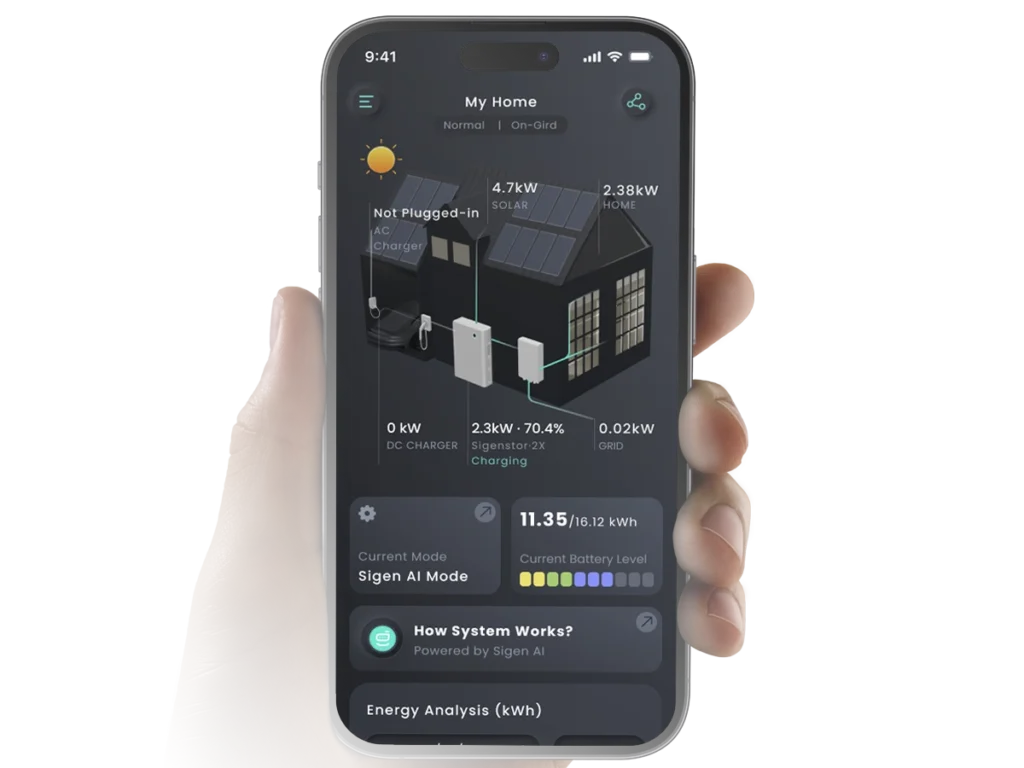
Can I Monitor My Solar System on My Phone? Quick Answers to Your Solar Questions Get a Free Quote! Buyer’s Guide Solar Knowledge Base ❓ Quick Answer Yes. Most modern Off-Grid Solar Systems include a mobile app that allows homeowners to monitor their system anytime and from almost anywhere. You can view solar production, battery status, household energy consumption, and overall system performance in real time. Why Is Remote Monitoring Useful? Your solar system works every day, even when you’re away from home. Instead of wondering how it’s performing, you can simply open the app and see important information instantly. This gives homeowners greater confidence and helps them better understand their energy usage. What Information Can You See? Depending on the equipment installed, the app may display: Current solar energy production Battery charge level Household electricity consumption Energy flow between the solar panels, battery, and home Historical performance data System notifications and alerts Everything is presented in a clear, easy-to-understand format. ✅ Before You Decide Ask your installer: ✔ Is mobile monitoring included? ✔ Can I view my system from anywhere? ✔ Does the app show battery status? ✔ Will I receive notifications if the system detects an issue? Having easy access to this information helps you get the most from your solar investment. Why Monitoring Improves Energy Efficiency Many homeowners discover they can use their solar energy more effectively after seeing how and when electricity is produced and consumed. For example, running high-energy appliances while the solar panels are generating electricity can make better use of your own renewable energy. Even small changes in daily habits can improve overall efficiency. Smart Monitoring with Sigenergy At SolarCity Cyprus, we install Sigenergy systems that include an advanced mobile monitoring platform. Homeowners can: View live solar production Monitor battery charge and discharge Track household energy consumption Review historical performance Receive system notifications Access their system from almost anywhere This intelligent monitoring helps homeowners stay connected to their energy system every day. Common Mistakes Never Checking the App The monitoring app provides valuable information that can help you better understand your energy usage. Ignoring System Notifications If the app reports an alert, it is best to contact your installer promptly for advice. Focusing Only on Battery Percentage The app provides much more than battery information, including solar production and overall system performance. 💡 Expert Tip Spend a few minutes exploring your monitoring app during the first weeks after installation. You’ll quickly learn how your home uses electricity and how your solar system performs throughout the day. 📘 Did You Know? Many homeowners say that one of their favourite features is watching their solar panels generate electricity in real time. Seeing your own energy production helps you better understand how your home uses renewable energy every day. Conclusion Modern solar systems are about much more than generating electricity—they also give homeowners clear insight into how their energy is produced, stored, and used. With intelligent monitoring, you can make informed decisions, improve energy efficiency, and enjoy greater confidence in your Off-Grid Solar System. At SolarCity Cyprus, every Sigenergy installation includes advanced monitoring tools that help homeowners stay connected to their energy system wherever they are. Frequently Asked Questions Can I monitor my solar system when I’m away from home? Yes. Most modern monitoring apps allow remote access through your smartphone or tablet. Can I see my battery charge level? Yes. The app typically displays the current battery status along with other system information. Will the app notify me about problems? Many systems provide notifications or alerts if they detect unusual operating conditions. Is the app difficult to use? No. Modern monitoring apps are designed with simple dashboards that are easy to understand, even for first-time users. Why does SolarCity Cyprus use Sigenergy? SolarCity Cyprus installs Sigenergy because its intelligent monitoring platform, real-time energy management, and user-friendly mobile app allow homeowners to monitor and optimise their Off-Grid Solar System with ease. 🔗 Related Articles Smart Home & Energy Management Can I Control My Solar System Remotely? How Does Smart Energy Management Work? Can My Solar System Send Alerts? Batteries Do Home Batteries Need Maintenance? How Much Battery Capacity Do I Need? Costs & Savings Will an Off-Grid Solar System Reduce My Electricity Bills? Is the Cheapest Solar System Always the Best Choice? Related Articles All Posts Costs & Savings Off-Grid Solar System Solar Buyer's Guide Solar FAQ Academy Solar System Installation Can I Monitor My Solar System on My Phone? October 9, 2026/ Is the Cheapest Solar System Always the Best Choice? Quick Answers to Your Solar Questions Get a Free Quote! Buyer’s… Read More Is the Cheapest Solar System the Best Choice? October 8, 2026/ Is the Cheapest Solar System Always the Best Choice? Quick Answers to Your Solar Questions Get a Free Quote! Buyer’s… Read More What Affects the Cost of an Off-Grid Solar System? October 8, 2026/ What Affects the Cost of an Off-Grid Solar System? Quick Answers to Your Solar Questions Get a Free Quote! Buyer’s… Read More Will an Off-Grid Solar System Reduce My Electricity Bills? October 7, 2026/ Will an Off-Grid Solar System Reduce My Electricity Bills? Quick Answers to Your Solar Questions Get a Free Quote! Buyer’s… Read More Does Solar Increase Home Value? October 5, 2026/ Can Solar Energy Increase My Home’s Value? Quick Answers to Your Solar Questions Get a Free Quote! Buyer’s Guide Solar… Read More Solar System Payback Time October 3, 2026/ How Long Does It Take to Recover the Cost of an Off-Grid Solar System? Quick Answers to Your Solar Questions… Read More Is an Off-Grid Solar System Worth It? October 2, 2026/ Is an Off-Grid Solar System Worth It in Cyprus? Quick Answers to Your Solar Questions Get a Free Quote! Buyer’s… Read More Do Home Batteries Need Maintenance? October 1, 2026/ Do Home Batteries Need Maintenance? Quick Answers to Your Solar Questions Get a Free Quote! Buyer’s Guide Solar Knowledge Base… Read More Can Home Batteries Be Installed Outdoors?
Is the Cheapest Solar System the Best Choice?
Is the Cheapest Solar System Always the Best Choice? Quick Answers to Your Solar Questions Get a Free Quote! Buyer’s Guide Solar Knowledge Base ❓ Quick Answer Not necessarily. While price is an important consideration, the overall value of a solar system depends on far more than its initial cost. Equipment quality, professional system design, installation standards, and long-term support all contribute to the performance and reliability of your investment. Why Can Prices Vary So Much? Two solar systems may appear similar at first glance but include very different components and design approaches. Differences may include: Solar panel quality and efficiency Battery technology and storage capacity Inverter performance System monitoring features Installation quality Warranty coverage Future expansion options These factors influence how the system performs over many years. Looking Beyond the Initial Price A lower purchase price does not always mean lower long-term costs. When comparing different systems, it is worth considering: Expected system lifespan Reliability of the equipment Energy management capabilities Manufacturer support Professional installation Service available after installation A well-designed system can provide greater value throughout its lifetime. ✅ Before You Decide When comparing quotations, ask your installer: ✔ Which equipment is included? ✔ Is the battery capacity suitable for my needs? ✔ Can the system be expanded later? ✔ What warranty is provided? ✔ What support is available after installation? Understanding these details helps you compare systems fairly. Why Professional Design Matters Every home has unique energy requirements. A professionally designed Off-Grid Solar System considers: Daily electricity consumption Roof characteristics Battery sizing Future energy plans Overall system efficiency This personalised approach often delivers better long-term performance than choosing equipment based only on price. Quality Components Make a Difference At SolarCity Cyprus, we believe that reliable equipment is an investment in long-term performance. That’s why we install Sigenergy systems featuring: Intelligent energy management Modular battery expansion Advanced Battery Management System (BMS) Real-time monitoring Mobile app control These technologies help homeowners maximise efficiency while preparing for future energy needs. Common Mistakes Choosing the Lowest Price Without Comparing Specifications Not all systems offer the same performance, storage capacity, or features. Ignoring Long-Term Support Installation is only the beginning. Ongoing support and service are also important. Focusing Only on Today’s Needs Planning for future electricity usage can help avoid costly upgrades later. 💡 Expert Tip Compare value—not just price. A solar system should continue delivering reliable performance for many years, making long-term quality just as important as the initial investment. 📘 Did You Know? The cost of a solar system is only one part of its lifetime value. Equipment reliability, energy efficiency, professional installation, and after-sales support all contribute to the overall ownership experience. Conclusion The cheapest solar system is not always the most cost-effective choice in the long run. Choosing quality equipment, professional installation, and intelligent system design can provide greater reliability, flexibility, and value over the lifetime of your investment. At SolarCity Cyprus, every Off-Grid Solar System is designed around the homeowner’s individual energy needs using advanced Sigenergy technology, helping deliver dependable performance for many years to come. Frequently Asked Questions Should I always choose the lowest quotation? Not necessarily. It’s important to compare the equipment, battery capacity, warranties, and system design—not just the price. Why do solar system prices differ? Different equipment, battery sizes, installation methods, and support services all influence the final cost. Does higher quality equipment make a difference? Reliable components can contribute to better performance, easier monitoring, and greater long-term flexibility. Is professional installation important? Yes. Correct system design and installation help ensure safe, efficient, and reliable operation. Why does SolarCity Cyprus use Sigenergy? SolarCity Cyprus installs Sigenergy because its intelligent energy management, modular battery architecture, advanced monitoring, and flexible expansion options provide homeowners with a reliable, future-ready energy solution. 🔗 Related Articles Costs & Savings Is an Off-Grid Solar System Worth It in Cyprus? How Long Does It Take to Recover the Cost of an Off-Grid Solar System? Can Solar Energy Increase My Home’s Value? Will an Off-Grid Solar System Reduce My Electricity Bills? What Affects the Cost of an Off-Grid Solar System? Batteries Are Home Batteries Safe? How Much Battery Capacity Do I Need? Solar Panels Do Solar Panels Work on Cloudy Days? Do Solar Panels Need Cleaning in Cyprus? Related Articles All Posts Costs & Savings Off-Grid Solar System Solar Buyer's Guide Solar FAQ Academy Solar System Installation Is the Cheapest Solar System the Best Choice? October 8, 2026/ What Affects the Cost of an Off-Grid Solar System? Quick Answers to Your Solar Questions Get a Free Quote! Buyer’s… Read More What Affects the Cost of an Off-Grid Solar System? October 8, 2026/ What Affects the Cost of an Off-Grid Solar System? Quick Answers to Your Solar Questions Get a Free Quote! Buyer’s… Read More Will an Off-Grid Solar System Reduce My Electricity Bills? October 7, 2026/ Will an Off-Grid Solar System Reduce My Electricity Bills? Quick Answers to Your Solar Questions Get a Free Quote! Buyer’s… Read More Does Solar Increase Home Value? October 5, 2026/ Can Solar Energy Increase My Home’s Value? Quick Answers to Your Solar Questions Get a Free Quote! Buyer’s Guide Solar… Read More Solar System Payback Time October 3, 2026/ How Long Does It Take to Recover the Cost of an Off-Grid Solar System? Quick Answers to Your Solar Questions… Read More Is an Off-Grid Solar System Worth It? October 2, 2026/ Is an Off-Grid Solar System Worth It in Cyprus? Quick Answers to Your Solar Questions Get a Free Quote! Buyer’s… Read More Do Home Batteries Need Maintenance? October 1, 2026/ Do Home Batteries Need Maintenance? Quick Answers to Your Solar Questions Get a Free Quote! Buyer’s Guide Solar Knowledge Base… Read More Can Home Batteries Be Installed Outdoors? October 1, 2026/ Can Home Batteries Be Installed Outdoors? Quick Answers to Your Solar Questions Get a Free Quote! Buyer’s Guide Solar Knowledge… Read More How Much Battery Capacity Do I Need? September 29, 2026/ How Much Battery Capacity Do I Need? Quick
What Affects the Cost of an Off-Grid Solar System?
What Affects the Cost of an Off-Grid Solar System? Quick Answers to Your Solar Questions Get a Free Quote! Buyer’s Guide Solar Knowledge Base ❓ Quick Answer The cost of an Off-Grid Solar System depends on much more than the number of solar panels. Every installation is unique. The final investment is influenced by your household’s energy needs, battery storage, equipment selection, property characteristics, and the overall system design. Why Isn’t Every System the Same Price? No two homes have identical energy requirements. Some households use relatively little electricity, while others operate multiple air conditioning units, swimming pool equipment, electric vehicle chargers, or other high-demand appliances. For this reason, every Off-Grid Solar System should be designed specifically for the property and the homeowner’s lifestyle. What Factors Influence the Cost? The overall investment may depend on: Daily electricity consumption Number and efficiency of solar panels Battery storage capacity Inverter specifications Roof design and installation complexity Cable routing and electrical work Future expansion requirements Each of these elements contributes to the overall design of the system. ✅ Before You Decide Before requesting a quotation, consider: ✔ How much electricity does my household use? ✔ Do I want complete energy independence? ✔ Will my energy needs increase in the future? ✔ Do I want backup power during outages? The clearer your goals, the easier it is to design the right system. Why System Design Matters A professionally designed system is not simply about installing equipment. The goal is to create a balanced solution where: Solar generation matches household demand. Battery storage is appropriately sized. All components work efficiently together. Future expansion remains possible if required. Good system design helps maximise both performance and long-term value. Quality Equipment Is Part of the Investment While price is important, equipment quality also plays a significant role. High-quality components may offer advantages such as: Greater reliability Advanced monitoring Intelligent battery management Easier future expansion Longer service life A well-designed system is intended to deliver value for many years. Smart Solutions with Sigenergy At SolarCity Cyprus, we install Sigenergy energy storage systems that combine intelligent energy management with flexible battery expansion and real-time monitoring. This allows every system to be designed according to the homeowner’s individual requirements rather than using a standard configuration. Common Mistakes Comparing Systems Only by Price A lower quotation may not include the same equipment, battery capacity, or system functionality. Ignoring Future Requirements Planning for future energy needs can reduce the need for major upgrades later. Choosing Equipment Without Professional Advice Every property has different technical requirements, making professional system design essential. 💡 Expert Tip Instead of asking, “How much does a solar system cost?” ask, “What system is right for my home?” The best solution is one that matches your energy needs today while allowing flexibility for tomorrow. 📘 Did You Know? Two neighbouring houses can require completely different Off-Grid Solar Systems, even if they appear similar from the outside. Household energy usage is often the biggest factor in determining the final system design. Conclusion The cost of an Off-Grid Solar System is determined by a combination of technical, practical, and lifestyle factors. Rather than focusing only on the initial investment, homeowners should consider the quality of the equipment, professional system design, future flexibility, and long-term performance. At SolarCity Cyprus, every Off-Grid Solar System is individually designed using advanced Sigenergy technology to provide reliable performance, intelligent energy management, and long-term value. Frequently Asked Questions Why do Off-Grid Solar Systems have different prices? Every home has different energy requirements, so each system is designed individually. Is the battery one of the main cost factors? Yes. Battery capacity and technology are among the key elements influencing the overall system design and investment. Can I reduce the initial investment? A professionally designed system can often be configured to meet your current needs while allowing future expansion if required. Why isn’t there a standard price? The size of the property, energy consumption, equipment selection, and installation complexity all vary from one project to another. Why does SolarCity Cyprus use Sigenergy? SolarCity Cyprus installs Sigenergy because its intelligent energy management, modular battery architecture, advanced monitoring, and flexible system design allow every installation to be tailored to the homeowner’s specific energy requirements. 🔗 Related Articles Costs & Savings Is an Off-Grid Solar System Worth It in Cyprus? How Long Does It Take to Recover the Cost of an Off-Grid Solar System? Can Solar Energy Increase My Home’s Value? Will an Off-Grid Solar System Reduce My Electricity Bills? Batteries How Much Battery Capacity Do I Need? Can I Add More Batteries Later? Solar Panels Do Solar Panels Work During Summer Heat? Do Solar Panels Work on Cloudy Days? Related Articles All Posts Costs & Savings Off-Grid Solar System Solar Buyer's Guide Solar FAQ Academy Solar System Installation What Affects the Cost of an Off-Grid Solar System? October 8, 2026/ Will an Off-Grid Solar System Reduce My Electricity Bills? Quick Answers to Your Solar Questions Get a Free Quote! Buyer’s… Read More Will an Off-Grid Solar System Reduce My Electricity Bills? October 7, 2026/ Will an Off-Grid Solar System Reduce My Electricity Bills? Quick Answers to Your Solar Questions Get a Free Quote! Buyer’s… Read More Does Solar Increase Home Value? October 5, 2026/ Can Solar Energy Increase My Home’s Value? Quick Answers to Your Solar Questions Get a Free Quote! Buyer’s Guide Solar… Read More Solar System Payback Time October 3, 2026/ How Long Does It Take to Recover the Cost of an Off-Grid Solar System? Quick Answers to Your Solar Questions… Read More Is an Off-Grid Solar System Worth It? October 2, 2026/ Is an Off-Grid Solar System Worth It in Cyprus? Quick Answers to Your Solar Questions Get a Free Quote! Buyer’s… Read More Do Home Batteries Need Maintenance? October 1, 2026/ Do Home Batteries Need Maintenance? Quick Answers to Your Solar Questions Get a Free Quote! Buyer’s Guide Solar Knowledge Base… Read More Can Home Batteries Be Installed Outdoors? October 1, 2026/ Can Home
Will an Off-Grid Solar System Reduce My Electricity Bills?
Will an Off-Grid Solar System Reduce My Electricity Bills? Quick Answers to Your Solar Questions Get a Free Quote! Buyer’s Guide Solar Knowledge Base ❓ Quick Answer For many homeowners, yes. A properly designed Off-Grid Solar System allows you to generate and store your own electricity instead of relying on the public grid. The amount you save depends on your energy consumption, the size of your system, battery storage, and how efficiently you use the energy your system produces. Why Can an Off-Grid System Lower Electricity Costs? Instead of purchasing electricity from the grid, your solar panels generate power during the day, while your battery stores excess energy for use in the evening and at night. This means you can rely much more on your own energy production throughout the day. What Affects Your Savings? Several factors influence how much you can reduce your electricity costs, including: Your daily electricity consumption The size of your solar system Battery storage capacity Household energy habits Seasonal changes in solar production Overall system design Every home is different, which is why professional system sizing is so important. ✅ Before You Decide Ask your installer: ✔ Is the system designed around my actual electricity usage? ✔ Will the battery provide enough storage for my evening consumption? ✔ Can the system be expanded if my energy needs increase? ✔ How can I make the best use of the energy I generate? A personalised system design will always provide better long-term results than a standard solution. Saving More Than Money Many homeowners discover that one of the biggest advantages isn’t simply reducing electricity costs. They also appreciate: Greater energy independence Less reliance on external electricity suppliers Better control over household energy use Greater confidence during changing energy markets These long-term benefits often become just as valuable as the financial savings. Smart Energy Management with Sigenergy At SolarCity Cyprus, we install Sigenergy systems that intelligently manage both solar generation and battery storage. Key benefits include: Intelligent energy optimisation Automatic battery management Real-time monitoring Mobile app control Efficient use of stored solar energy These features help homeowners make the most of every kilowatt-hour their system generates. Common Mistakes Expecting Identical Results for Every Home Electricity savings vary because every household uses energy differently. Choosing the Wrong System Size A system that is too small or too large may not deliver the best long-term performance. Ignoring Energy Habits Using energy wisely throughout the day helps maximise the benefits of your solar investment. 💡 Expert Tip The best way to reduce electricity costs is to combine a well-designed solar system with smart energy usage. A system tailored to your lifestyle will usually perform better than a generic installation. 📘 Did You Know? Many homeowners become more aware of how and when they use electricity after installing a monitoring app. Small changes in daily habits can often improve the overall efficiency of a solar energy system. Conclusion An Off-Grid Solar System can significantly reduce your reliance on purchased electricity by allowing you to generate and store your own energy. The level of savings depends on your home’s energy requirements, system design, battery capacity, and everyday energy habits. At SolarCity Cyprus, we design customised Off-Grid Solar Systems using advanced Sigenergy technology to help homeowners maximise energy independence and make the most of every unit of solar energy they produce. Frequently Asked Questions Will every homeowner save the same amount? No. Savings depend on electricity consumption, system size, battery capacity, and how the system is used. Does battery storage improve savings? Yes. A battery allows excess solar energy generated during the day to be stored for use when the sun is no longer producing electricity. Can I reduce my dependence on the electricity grid? Yes. An Off-Grid Solar System is specifically designed to allow homeowners to produce and store their own electricity independently of the public grid. Is professional system design important? Absolutely. A system designed around your household’s actual energy needs is more likely to deliver efficient long-term performance. Why does SolarCity Cyprus use Sigenergy? SolarCity Cyprus installs Sigenergy because its intelligent energy management, modular battery technology, real-time monitoring, and efficient integration help homeowners maximise the value of the solar energy they generate. 🔗 Related Articles Costs & Savings Is an Off-Grid Solar System Worth It in Cyprus? How Long Does It Take to Recover the Cost of an Off-Grid Solar System? Can Solar Energy Increase My Home’s Value? Batteries How Much Battery Capacity Do I Need? Do Home Batteries Work During Power Cuts? Solar Panels Do Solar Panels Work on Cloudy Days? Do Solar Panels Need Cleaning in Cyprus? Related Articles All Posts Costs & Savings Off-Grid Solar System Solar Buyer's Guide Solar FAQ Academy Solar System Installation Will an Off-Grid Solar System Reduce My Electricity Bills? October 7, 2026/ Can Solar Energy Increase My Home’s Value? Quick Answers to Your Solar Questions Get a Free Quote! Buyer’s Guide Solar… Read More Does Solar Increase Home Value? October 5, 2026/ Can Solar Energy Increase My Home’s Value? Quick Answers to Your Solar Questions Get a Free Quote! Buyer’s Guide Solar… Read More Solar System Payback Time October 3, 2026/ How Long Does It Take to Recover the Cost of an Off-Grid Solar System? Quick Answers to Your Solar Questions… Read More Is an Off-Grid Solar System Worth It? October 2, 2026/ Is an Off-Grid Solar System Worth It in Cyprus? Quick Answers to Your Solar Questions Get a Free Quote! Buyer’s… Read More Do Home Batteries Need Maintenance? October 1, 2026/ Do Home Batteries Need Maintenance? Quick Answers to Your Solar Questions Get a Free Quote! Buyer’s Guide Solar Knowledge Base… Read More Can Home Batteries Be Installed Outdoors? October 1, 2026/ Can Home Batteries Be Installed Outdoors? Quick Answers to Your Solar Questions Get a Free Quote! Buyer’s Guide Solar Knowledge… Read More How Much Battery Capacity Do I Need? September 29, 2026/ How Much Battery Capacity Do I Need? Quick Answers to Your Solar Questions Get
Does Solar Increase Home Value?
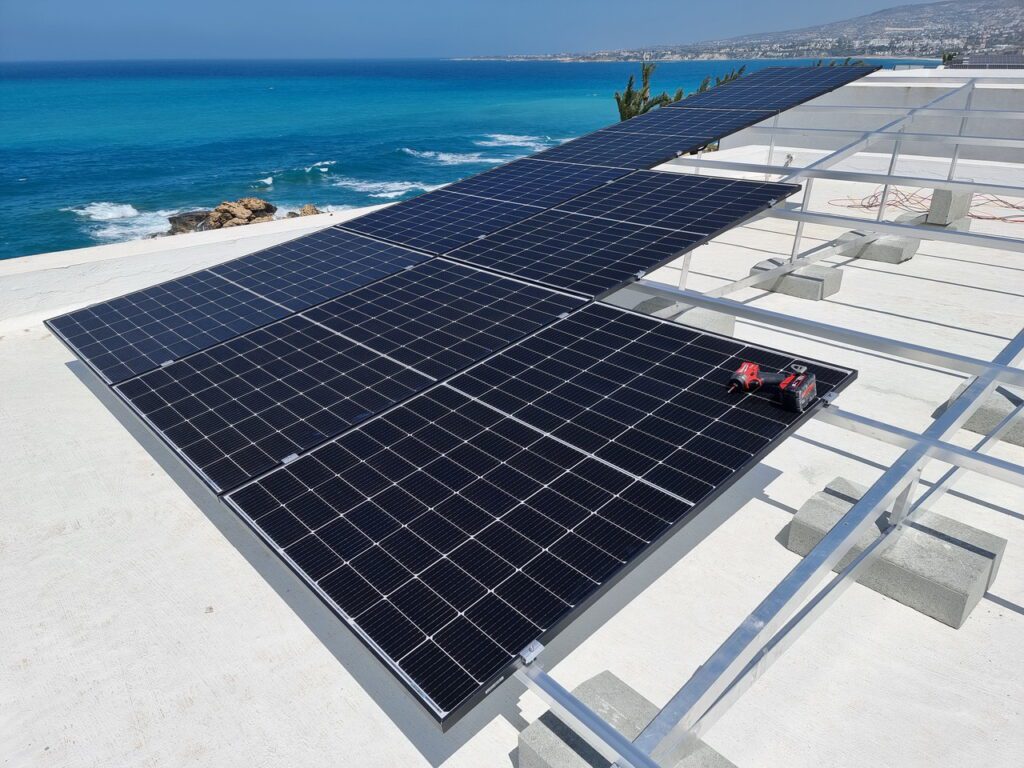
Can Solar Energy Increase My Home’s Value? Quick Answers to Your Solar Questions Get a Free Quote! Buyer’s Guide Solar Knowledge Base ❓ Quick Answer It can. A professionally designed Off-Grid Solar System may make a property more attractive to future buyers because it offers greater energy independence, modern technology, and lower reliance on the electricity grid. However, the effect on property value depends on many factors, including the property’s location, condition, and the local real estate market. Why Do Buyers Appreciate Solar Energy? Today’s homebuyers often look beyond the appearance of a property. They are increasingly interested in features that offer long-term practical benefits, including: Lower dependence on the electricity grid Modern energy technology Greater energy security Reduced long-term operating costs Sustainable living For many buyers, these advantages make a property more appealing. More Than Just Solar Panels A professionally installed Off-Grid Solar System is more than a collection of equipment. It is a complete energy solution that may include: High-quality solar panels Intelligent battery storage Advanced energy management Mobile app monitoring Future expansion options A well-designed system demonstrates that the property has been planned with long-term performance in mind. ✅ Before You Decide If you are installing a solar system with future property value in mind, consider asking your installer: ✔ Is the system professionally documented? ✔ Can future owners easily understand how it operates? ✔ Is the equipment from recognised manufacturers? ✔ Can the system be expanded if needed? A professionally designed installation can make a positive impression on future buyers. Why Quality Installation Matters The quality of the installation is just as important as the equipment itself. A clean, professionally planned installation shows attention to detail and helps demonstrate that the system has been installed correctly. This can increase buyer confidence when viewing the property. Smart Technology Adds Value At SolarCity Cyprus, we install Sigenergy systems with intelligent energy management and real-time monitoring. Homeowners benefit from: Mobile app control Intelligent battery optimisation Real-time performance monitoring Modular battery expansion Modern energy management These features add convenience as well as long-term functionality. Common Mistakes Focusing Only on Equipment Cost Long-term value depends on the complete system—not just the purchase price. Choosing Low-Quality Components Reliable equipment from recognised manufacturers may inspire greater buyer confidence. Forgetting About Documentation Keeping installation records, manuals, and warranty information is beneficial for both current and future homeowners. 💡 Expert Tip Think of your solar system as an investment in your property—not just your electricity supply. A professionally installed system may continue adding value long after the installation is complete. 📘 Did You Know? Many homebuyers now consider energy efficiency and modern energy systems alongside traditional features such as location, garden size, and interior design when comparing properties. Conclusion An Off-Grid Solar System may make your property more attractive to future buyers by offering modern energy technology, greater energy independence, and long-term efficiency. While every property’s market value depends on many factors, a professionally designed solar installation can become an additional selling point. At SolarCity Cyprus, we design intelligent Sigenergy Off-Grid Solar Systems that combine performance, reliability, and long-term value for homeowners in Cyprus. Frequently Asked Questions Does installing solar automatically increase property value? Not automatically. Property value depends on many factors, but a professionally installed solar system may make a home more attractive to potential buyers. Do buyers like homes with solar energy systems? Many buyers appreciate modern energy solutions that offer greater energy independence and long-term efficiency. Does installation quality matter? Yes. A professionally installed and well-maintained system creates a stronger impression than a poorly planned installation. Should I keep the system documentation? Absolutely. Installation records, warranties, and user manuals can be valuable for future homeowners. Why does SolarCity Cyprus use Sigenergy? SolarCity Cyprus installs Sigenergy because its intelligent energy management, modular battery technology, real-time monitoring, and premium design help homeowners enjoy reliable performance while enhancing the long-term appeal of their property. 🔗 Related Articles Costs & Savings Is an Off-Grid Solar System Worth It in Cyprus? How Long Does It Take to Recover the Cost of an Off-Grid Solar System? Will Solar Help Protect Me from Rising Electricity Prices? Batteries How Long Do Home Batteries Last? How Much Battery Capacity Do I Need? Solar Panels Do Solar Panels Work During Summer Heat? Do Solar Panels Work on Cloudy Days? Related Articles All Posts Costs & Savings Off-Grid Solar System Solar Buyer's Guide Solar FAQ Academy Solar System Installation Does Solar Increase Home Value? October 5, 2026/ How Long Does It Take to Recover the Cost of an Off-Grid Solar System? Quick Answers to Your Solar Questions… Read More Solar System Payback Time October 3, 2026/ How Long Does It Take to Recover the Cost of an Off-Grid Solar System? Quick Answers to Your Solar Questions… Read More Is an Off-Grid Solar System Worth It? October 2, 2026/ Is an Off-Grid Solar System Worth It in Cyprus? Quick Answers to Your Solar Questions Get a Free Quote! Buyer’s… Read More Do Home Batteries Need Maintenance? October 1, 2026/ Do Home Batteries Need Maintenance? Quick Answers to Your Solar Questions Get a Free Quote! Buyer’s Guide Solar Knowledge Base… Read More Can Home Batteries Be Installed Outdoors? October 1, 2026/ Can Home Batteries Be Installed Outdoors? Quick Answers to Your Solar Questions Get a Free Quote! Buyer’s Guide Solar Knowledge… Read More How Much Battery Capacity Do I Need? September 29, 2026/ How Much Battery Capacity Do I Need? Quick Answers to Your Solar Questions Get a Free Quote! Buyer’s Guide Solar… Read More Do Home Batteries Work During Power Cuts? September 28, 2026/ Do Home Batteries Work During Power Cuts? Quick Answers to Your Solar Questions Get a Free Quote! Buyer’s Guide Solar… Read More Where Should a Home Battery Be Installed? September 26, 2026/ Where Should a Home Battery Be Installed? Quick Answers to Your Solar Questions Get a Free Quote! Buyer’s Guide Solar… Read More Are Home Batteries Safe? September 24, 2026/ Are Home Batteries Safe? Quick Answers
Solar System Payback Time
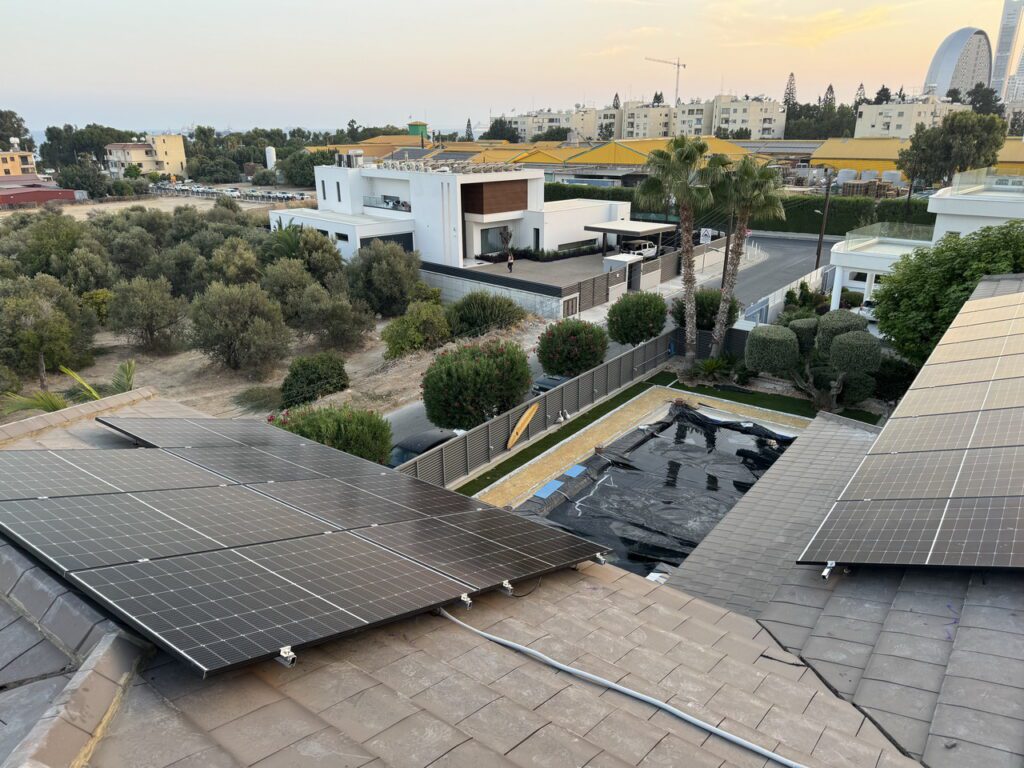
How Long Does It Take to Recover the Cost of an Off-Grid Solar System? Quick Answers to Your Solar Questions Get a Free Quote! Buyer’s Guide Solar Knowledge Base ❓ Quick Answer The payback period varies because every home uses electricity differently. Factors such as your household’s energy consumption, the size of the solar system, battery capacity, and future electricity prices all influence how quickly your investment delivers long-term value. Why Isn’t There One Simple Answer? No two homes are exactly alike. The time needed to recover the cost of an Off-Grid Solar System depends on several factors, including: Daily electricity consumption Size of the solar system Battery capacity Household energy habits Future electricity prices Overall system design A professionally designed system is tailored to your individual requirements rather than relying on general estimates. What Creates Long-Term Value? The return on investment is about more than monthly savings. Many homeowners also value: Greater energy independence Reduced reliance on the electricity grid Protection against future energy price increases Reliable electricity for daily living Increased control over household energy use These benefits continue long after the system has been installed. ✅ Before You Decide Before investing, ask your installer: ✔ How was the system size calculated? ✔ Does the design match my current energy usage? ✔ Can the system be expanded later? ✔ What assumptions were used when discussing long-term savings? A personalised assessment provides a far more realistic picture than a generic estimate. Why Quality Matters Choosing high-quality equipment can influence long-term performance. Reliable solar panels, advanced battery technology, and intelligent energy management all help the system operate efficiently throughout its lifetime. Focusing only on the lowest installation price may not provide the best long-term value. Smart Investment with Sigenergy At SolarCity Cyprus, we install Sigenergy systems that intelligently manage solar production and battery storage. Features include: Intelligent energy optimisation Real-time monitoring Modular battery expansion Efficient battery charging and discharging Mobile app control These technologies help homeowners make the best possible use of the energy their system generates. Common Mistakes Looking Only at the Initial Price The lowest quotation may not provide the greatest long-term value. Ignoring Future Energy Needs Household electricity consumption often changes over time. Comparing Systems by Size Alone The quality of the equipment and system design is just as important as the number of solar panels. 💡 Expert Tip Think of an Off-Grid Solar System as a long-term investment rather than a short-term purchase. The right system should continue delivering value for many years after the initial installation. 📘 Did You Know? Many homeowners discover that one of the greatest benefits of an Off-Grid Solar System is the confidence of producing and storing their own electricity rather than relying entirely on external energy suppliers. Conclusion The payback period of an Off-Grid Solar System depends on your home’s unique energy requirements and the quality of the overall system design. A professionally designed installation helps maximise long-term value through efficient solar production, intelligent battery management, and reliable energy storage. At SolarCity Cyprus, we design customised Off-Grid Solar Systems using advanced Sigenergy technology to help homeowners achieve lasting energy independence and make the most of their investment. Frequently Asked Questions How long does it usually take to recover the cost of an Off-Grid Solar System? The payback period varies depending on energy consumption, system size, battery capacity, and future electricity prices. Does a larger system always pay for itself faster? Not necessarily. A system should be sized according to your household’s actual energy needs. Will rising electricity prices affect payback? Future electricity prices may influence the long-term financial benefits of generating your own energy. Is professional system design important? Yes. A correctly designed system is more likely to deliver efficient performance and better long-term value. Why does SolarCity Cyprus use Sigenergy? SolarCity Cyprus installs Sigenergy because its intelligent energy management, modular battery technology, real-time monitoring, and efficient system integration help homeowners maximise the long-term value of their Off-Grid Solar System. 🔗 Related Articles Costs & Savings Is an Off-Grid Solar System Worth It in Cyprus? Can Solar Energy Increase My Home’s Value? Will Solar Help Protect Me from Rising Electricity Prices? Batteries How Much Battery Capacity Do I Need? Do Home Batteries Work During Power Cuts? Solar Panels Do Solar Panels Work During Summer Heat? Do Solar Panels Work on Cloudy Days? Related Articles All Posts Costs & Savings Off-Grid Solar System Solar Buyer's Guide Solar FAQ Academy Solar System Installation Solar System Payback Time October 3, 2026/ Is an Off-Grid Solar System Worth It in Cyprus? Quick Answers to Your Solar Questions Get a Free Quote! Buyer’s… Read More Is an Off-Grid Solar System Worth It? October 2, 2026/ Is an Off-Grid Solar System Worth It in Cyprus? Quick Answers to Your Solar Questions Get a Free Quote! Buyer’s… Read More Do Home Batteries Need Maintenance? October 1, 2026/ Do Home Batteries Need Maintenance? Quick Answers to Your Solar Questions Get a Free Quote! Buyer’s Guide Solar Knowledge Base… Read More Can Home Batteries Be Installed Outdoors? October 1, 2026/ Can Home Batteries Be Installed Outdoors? Quick Answers to Your Solar Questions Get a Free Quote! Buyer’s Guide Solar Knowledge… Read More How Much Battery Capacity Do I Need? September 29, 2026/ How Much Battery Capacity Do I Need? Quick Answers to Your Solar Questions Get a Free Quote! Buyer’s Guide Solar… Read More Do Home Batteries Work During Power Cuts? September 28, 2026/ Do Home Batteries Work During Power Cuts? Quick Answers to Your Solar Questions Get a Free Quote! Buyer’s Guide Solar… Read More Where Should a Home Battery Be Installed? September 26, 2026/ Where Should a Home Battery Be Installed? Quick Answers to Your Solar Questions Get a Free Quote! Buyer’s Guide Solar… Read More Are Home Batteries Safe? September 24, 2026/ Are Home Batteries Safe? Quick Answers to Your Solar Questions Get a Free Quote! Buyer’s Guide Solar Knowledge Base ❓… Read More Can I Add More Batteries Later? September 23, 2026/
Is an Off-Grid Solar System Worth It?
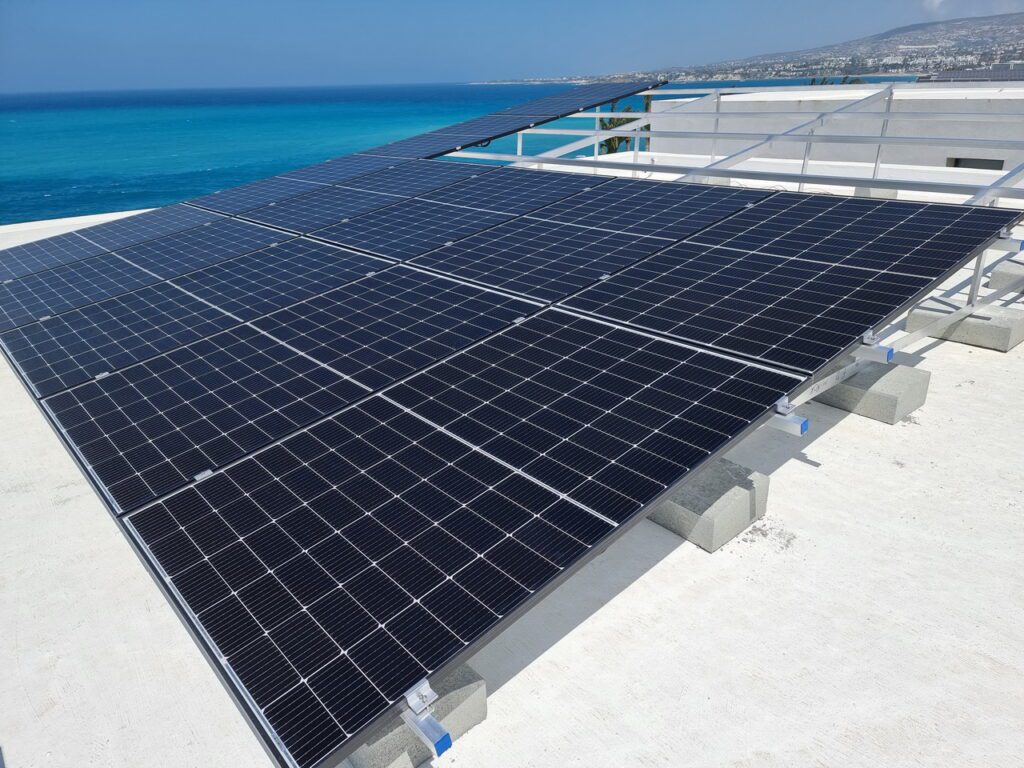
Is an Off-Grid Solar System Worth It in Cyprus? Quick Answers to Your Solar Questions Get a Free Quote! Buyer’s Guide Solar Knowledge Base ❓ Quick Answer For many homeowners in Cyprus, yes. An Off-Grid Solar System can provide greater energy independence, protection from rising electricity costs, and reliable power without depending on the public grid. Whether it is the right investment depends on your property’s energy needs, lifestyle, and long-term goals. Why Are More Homeowners Choosing Off-Grid? Electricity costs and energy security have become increasingly important. Many homeowners are looking for ways to: Reduce dependence on the electricity grid Produce their own electricity Store energy for later use Gain greater control over household energy costs An Off-Grid Solar System offers an independent energy solution designed around your home. What Makes an Off-Grid System Valuable? The value of an Off-Grid Solar System is not measured only by financial savings. Many homeowners also appreciate: Greater energy independence Reliable electricity in remote locations Protection from unexpected grid interruptions Clean renewable energy Long-term control over energy production These benefits often become just as important as reducing monthly electricity costs. ✅ Before You Decide Before investing in an Off-Grid Solar System, ask yourself: ✔ How much electricity does my household use? ✔ Do I want complete energy independence? ✔ Would battery backup improve my lifestyle? ✔ Am I planning to increase my future electricity usage? A professional consultation can help determine whether an Off-Grid system matches your needs. Why Professional System Design Matters Every property is different. The right solution depends on: Daily electricity consumption Roof space Battery capacity Seasonal energy demand Future expansion plans A properly designed system helps balance solar generation and energy storage for reliable year-round performance. Smart Energy Management with Sigenergy At SolarCity Cyprus, we install Sigenergy energy storage systems that intelligently manage electricity production and battery storage. Homeowners can benefit from: Real-time system monitoring Intelligent battery management Mobile app control Flexible system expansion Efficient use of stored energy This helps maximise the value of every unit of solar energy produced. Common Mistakes Focusing Only on Installation Cost The long-term benefits of energy independence are just as important as the initial investment. Choosing a System Without Professional Design An incorrectly sized system may not meet your household’s needs. Ignoring Future Energy Requirements Consider possible future additions such as electric vehicles or increased air conditioning use. 💡 Expert Tip Think about where your energy needs will be in five or ten years—not just today. A well-designed Off-Grid Solar System should support your future as well as your current lifestyle. 📘 Did You Know? Cyprus enjoys one of the highest levels of annual sunshine in Europe, making it an excellent location for homeowners who want to generate and store their own solar energy throughout much of the year. Conclusion For many homeowners, an Off-Grid Solar System is more than a way to reduce electricity bills—it’s an investment in energy independence and long-term peace of mind. With quality components, intelligent battery management, and professional system design, homeowners can enjoy reliable, self-generated electricity for many years. At SolarCity Cyprus, we design customised Off-Grid Solar Systems using advanced Sigenergy technology to help homeowners achieve greater energy independence with confidence. Frequently Asked Questions Is an Off-Grid Solar System suitable for every home? Not always. The right solution depends on your energy consumption, property, and long-term goals. Will an Off-Grid Solar System reduce my electricity costs? Many homeowners reduce or eliminate their dependence on grid electricity, but results vary depending on system design and energy usage. Is battery storage essential? Yes. Batteries are a key part of an Off-Grid Solar System because they store electricity for use when solar panels are not producing energy. Can I expand my system later? Many modern systems support future expansion, allowing additional battery capacity to be added if your energy needs increase. Why does SolarCity Cyprus use Sigenergy? SolarCity Cyprus installs Sigenergy because its intelligent energy management, modular battery design, advanced monitoring, and reliable performance make it an excellent solution for modern Off-Grid Solar Systems in Cyprus. 🔗 Related Articles Costs & Savings How Long Does It Take to Recover the Cost of an Off-Grid Solar System? Can Solar Energy Increase My Home’s Value? Will Solar Help Protect Me from Rising Electricity Prices? Batteries How Long Do Home Batteries Last? Do Home Batteries Work During Power Cuts? Solar Panels Do Solar Panels Need Cleaning in Cyprus? Do Solar Panels Work on Cloudy Days? Related Articles All Posts Costs & Savings Off-Grid Solar System Solar Buyer's Guide Solar FAQ Academy Solar System Installation Is an Off-Grid Solar System Worth It? October 2, 2026/ Do Home Batteries Need Maintenance? Quick Answers to Your Solar Questions Get a Free Quote! Buyer’s Guide Solar Knowledge Base… Read More Do Home Batteries Need Maintenance? October 1, 2026/ Do Home Batteries Need Maintenance? Quick Answers to Your Solar Questions Get a Free Quote! Buyer’s Guide Solar Knowledge Base… Read More Can Home Batteries Be Installed Outdoors? October 1, 2026/ Can Home Batteries Be Installed Outdoors? Quick Answers to Your Solar Questions Get a Free Quote! Buyer’s Guide Solar Knowledge… Read More How Much Battery Capacity Do I Need? September 29, 2026/ How Much Battery Capacity Do I Need? Quick Answers to Your Solar Questions Get a Free Quote! Buyer’s Guide Solar… Read More Do Home Batteries Work During Power Cuts? September 28, 2026/ Do Home Batteries Work During Power Cuts? Quick Answers to Your Solar Questions Get a Free Quote! Buyer’s Guide Solar… Read More Where Should a Home Battery Be Installed? September 26, 2026/ Where Should a Home Battery Be Installed? Quick Answers to Your Solar Questions Get a Free Quote! Buyer’s Guide Solar… Read More Are Home Batteries Safe? September 24, 2026/ Are Home Batteries Safe? Quick Answers to Your Solar Questions Get a Free Quote! Buyer’s Guide Solar Knowledge Base ❓… Read More Can I Add More Batteries Later? September 23, 2026/ Can I Add More Batteries Later? Quick Answers to
Do Home Batteries Need Maintenance?
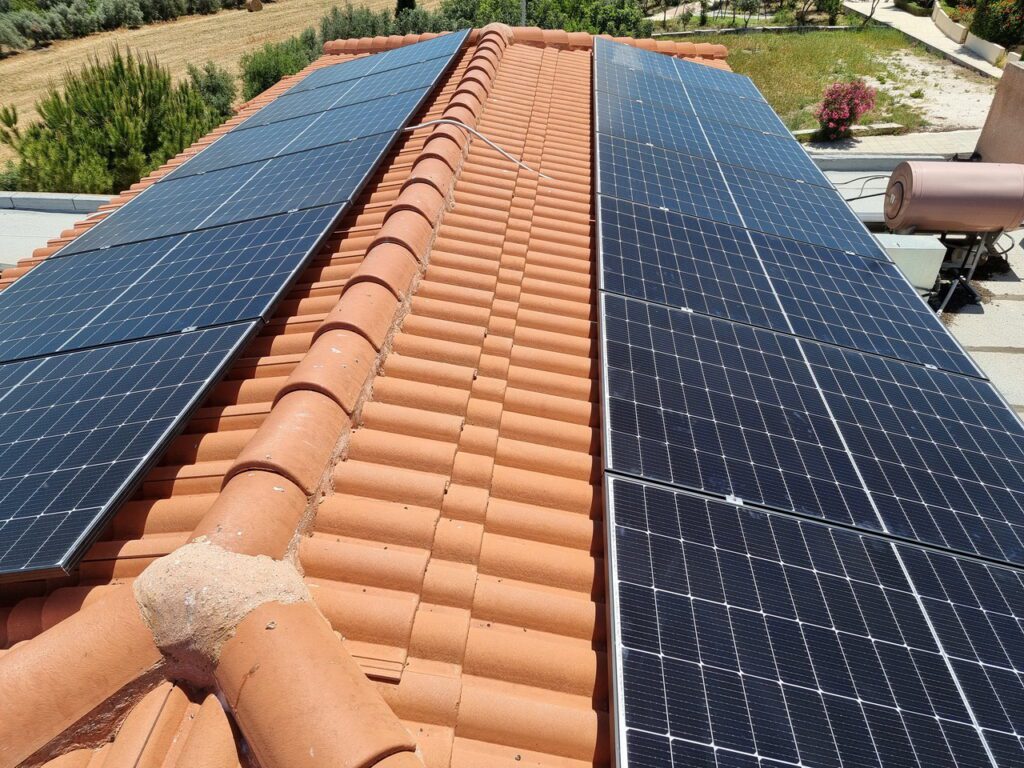
Do Home Batteries Need Maintenance? Quick Answers to Your Solar Questions Get a Free Quote! Buyer’s Guide Solar Knowledge Base ❓ Quick Answer Modern home batteries require very little routine maintenance. Unlike fuel-powered generators, today’s residential battery systems are largely designed to operate automatically. Intelligent battery management systems continuously monitor performance, while homeowners usually only need occasional visual checks and professional inspections when recommended. Why Do Modern Batteries Need So Little Maintenance? Today’s home batteries are built with advanced electronics that automatically manage charging, discharging, temperature monitoring, and battery protection. This means homeowners do not need to carry out regular maintenance tasks such as topping up fluids or adjusting battery settings. Instead, the system manages most of these functions on its own. What Should Homeowners Check? Although batteries require very little attention, it is still good practice to: Keep the area around the battery clean and accessible Check that ventilation openings remain unobstructed (where applicable) Look for any visible signs of damage Review system notifications in the monitoring app Arrange professional servicing if recommended by the installer or manufacturer These simple checks help ensure reliable long-term operation. ✅ Before You Decide Before purchasing a battery system, ask your installer: ✔ Does the battery require scheduled maintenance? ✔ Is remote system monitoring included? ✔ Will software updates be available if required? ✔ What warranty and support services are provided? Understanding the long-term support available is just as important as choosing the battery itself. Why Monitoring Is So Valuable One of the biggest advantages of modern battery systems is intelligent monitoring. Instead of relying on manual inspections alone, homeowners can view important system information through a mobile app, including: Battery charge level Energy usage Charging and discharging activity System notifications Overall performance This makes it easy to keep an eye on your system from almost anywhere. Smart Maintenance with Sigenergy At SolarCity Cyprus, we install Sigenergy battery systems with intelligent monitoring and advanced Battery Management System (BMS) technology. These systems continuously monitor battery health and automatically optimise performance, helping reduce the need for routine maintenance while providing homeowners with real-time system information. Common Mistakes Ignoring System Notifications If the monitoring app reports an issue, it should be checked promptly. Blocking Access to the Battery The battery should always remain accessible for inspection and servicing if needed. Assuming No Inspection Is Ever Required Although routine maintenance is minimal, occasional professional inspections help ensure the entire solar system continues operating efficiently. 💡 Expert Tip Check your monitoring app regularly—even when everything appears to be working normally. A quick review of your system’s performance can help identify unusual changes before they become larger issues. 📘 Did You Know? Many homeowners spend less time maintaining their home battery system than they do maintaining common household appliances. Modern battery technology is designed to operate automatically with minimal user intervention. Conclusion Modern home batteries are designed to provide reliable energy storage with very little routine maintenance. By combining intelligent battery management, occasional visual inspections, and professional support when needed, homeowners can enjoy dependable performance for many years. At SolarCity Cyprus, we install Sigenergy battery systems that offer advanced monitoring, intelligent protection, and long-term reliability—allowing homeowners to focus on using their energy rather than maintaining their battery. Frequently Asked Questions Do I need to service my home battery every year? Maintenance requirements vary by manufacturer and system design. Follow the recommendations provided by your installer and the battery manufacturer. Can I monitor my battery myself? Yes. Most modern home battery systems include a mobile app that allows homeowners to monitor performance and system status in real time. Should I clean my battery? The battery itself should not require cleaning beyond keeping the surrounding area clean and free from dust or obstructions. Always follow the manufacturer’s recommendations. What should I do if the app shows a warning? If your monitoring system reports an alert, contact your installer for advice rather than attempting to service the battery yourself. Why does SolarCity Cyprus use Sigenergy? SolarCity Cyprus installs Sigenergy because its advanced Battery Management System, intelligent monitoring platform, and automatic performance optimisation help minimise maintenance while providing homeowners with reliable, long-term energy storage. 🔗 Related Articles Batteries How Long Do Home Batteries Last? Can I Add More Batteries Later? Are Home Batteries Safe? Where Should a Home Battery Be Installed? Do Home Batteries Work During Power Cuts? How Much Battery Capacity Do I Need? Can Home Batteries Be Installed Outdoors? Solar Panels Do Solar Panels Need Cleaning in Cyprus? Do Solar Panels Work on Cloudy Days? Related Articles All Posts Costs & Savings Off-Grid Solar System Solar Buyer's Guide Solar FAQ Academy Solar System Installation Do Home Batteries Need Maintenance? October 1, 2026/ Can Home Batteries Be Installed Outdoors? Quick Answers to Your Solar Questions Get a Free Quote! Buyer’s Guide Solar Knowledge… Read More Can Home Batteries Be Installed Outdoors? October 1, 2026/ Can Home Batteries Be Installed Outdoors? Quick Answers to Your Solar Questions Get a Free Quote! Buyer’s Guide Solar Knowledge… Read More How Much Battery Capacity Do I Need? September 29, 2026/ How Much Battery Capacity Do I Need? Quick Answers to Your Solar Questions Get a Free Quote! Buyer’s Guide Solar… Read More Do Home Batteries Work During Power Cuts? September 28, 2026/ Do Home Batteries Work During Power Cuts? Quick Answers to Your Solar Questions Get a Free Quote! Buyer’s Guide Solar… Read More Where Should a Home Battery Be Installed? September 26, 2026/ Where Should a Home Battery Be Installed? Quick Answers to Your Solar Questions Get a Free Quote! Buyer’s Guide Solar… Read More Are Home Batteries Safe? September 24, 2026/ Are Home Batteries Safe? Quick Answers to Your Solar Questions Get a Free Quote! Buyer’s Guide Solar Knowledge Base ❓… Read More Can I Add More Batteries Later? September 23, 2026/ Can I Add More Batteries Later? Quick Answers to Your Solar Questions Get a Free Quote! Buyer’s Guide Solar Knowledge… Read More How Long Do Home Batteries
Can Home Batteries Be Installed Outdoors?
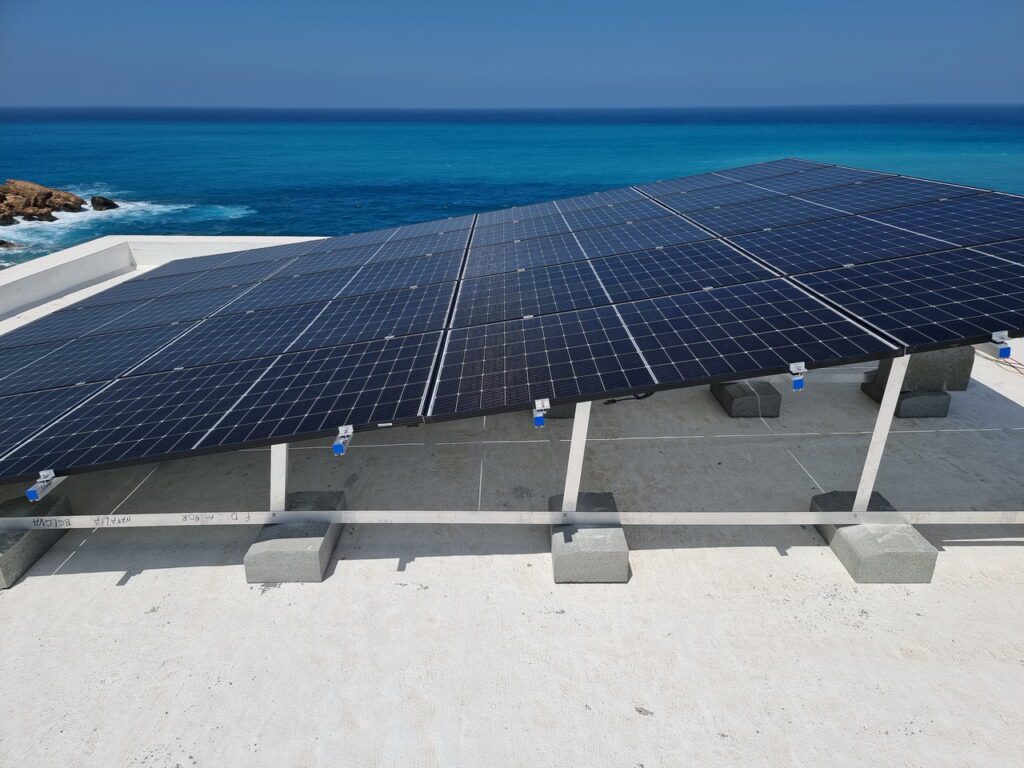
Can Home Batteries Be Installed Outdoors? Quick Answers to Your Solar Questions Get a Free Quote! Buyer’s Guide Solar Knowledge Base ❓ Quick Answer Yes—many modern home batteries are designed for outdoor installation. However, outdoor installation is only suitable when the battery model is specifically approved by the manufacturer for outdoor use. The installation location should also provide appropriate protection and meet the manufacturer’s installation guidelines. Why Do Homeowners Choose Outdoor Installation? Not every home has enough indoor space for a battery system. Outdoor installation can be a practical solution when homeowners want to: Save indoor space Keep technical equipment outside the living area Simplify cable routing Create a dedicated energy equipment area When properly planned, an outdoor installation can perform just as reliably as an indoor one. What Should Be Considered? The installation location should be selected carefully. Important factors include: Following the manufacturer’s installation instructions Adequate airflow around the battery Protection from unnecessary physical damage Easy access for future inspection and servicing Professional installation by qualified technicians Every property is different, so the final location should always be assessed individually. ✅ Before You Decide Before choosing an outdoor installation, ask your installer: ✔ Is this battery model approved for outdoor installation? ✔ Where is the best location on my property? ✔ Will the battery remain easily accessible? ✔ How will the battery be protected from accidental damage? These questions help ensure a safe and practical installation. Is Cyprus’s Climate Suitable? Cyprus generally provides favourable conditions for modern home battery systems. Nevertheless, battery performance and long-term reliability are best supported when the installation follows the manufacturer’s recommendations regarding environmental conditions and placement. Choosing the correct location is more important than simply choosing indoors or outdoors. Smart Outdoor Solutions with Sigenergy At SolarCity Cyprus, every Sigenergy battery installation is individually planned. When outdoor installation is appropriate, we consider: Property layout System accessibility Equipment positioning Future maintenance requirements Overall system integration Careful planning helps deliver reliable performance throughout the year. Common Mistakes Assuming Every Battery Can Be Installed Outdoors Only batteries approved by the manufacturer should be installed outside. Choosing Location Before System Design The battery location should be selected as part of the complete system planning process. Limiting Future Access Always leave enough space for inspection and servicing. 💡 Expert Tip Choose the best location for your battery—not simply the most convenient one. Professional planning helps ensure both reliable performance and easier maintenance in the years ahead. 📘 Did You Know? Many modern residential battery systems are designed with durable enclosures that allow installation in a wider range of locations when the manufacturer’s installation requirements are followed. Conclusion Outdoor installation can be an excellent option for many homes in Cyprus. The key is selecting a battery that is designed for outdoor use and ensuring it is installed according to the manufacturer’s recommendations. At SolarCity Cyprus, every Sigenergy battery installation is carefully planned to provide safe operation, reliable performance, and long-term energy storage tailored to each property. Frequently Asked Questions Can every home battery be installed outdoors? No. Outdoor installation depends on whether the battery model is specifically approved by the manufacturer. Is outdoor installation safe? Yes, when the battery is designed for outdoor use and professionally installed according to the manufacturer’s recommendations. Does Cyprus’s climate affect battery installation? Modern battery systems are designed to operate in a range of environmental conditions, but the installation location should always follow the manufacturer’s guidance. Can outdoor batteries be monitored remotely? Yes. Modern battery systems often include mobile apps that allow homeowners to monitor system performance from anywhere. Why does SolarCity Cyprus use Sigenergy? SolarCity Cyprus installs Sigenergy because its modular battery systems, intelligent monitoring, and flexible installation options make them suitable for a wide range of residential applications, including properties where outdoor installation is appropriate. 🔗 Related Articles Batteries How Long Do Home Batteries Last? Can I Add More Batteries Later? Are Home Batteries Safe? Where Should a Home Battery Be Installed? Do Home Batteries Work During Power Cuts? How Much Battery Capacity Do I Need? Solar Panels Do Solar Panels Need Cleaning in Cyprus? Do Solar Panels Work on Cloudy Days? Related Articles All Posts Costs & Savings Off-Grid Solar System Solar Buyer's Guide Solar FAQ Academy Solar System Installation Can Home Batteries Be Installed Outdoors? October 1, 2026/ How Much Battery Capacity Do I Need? Quick Answers to Your Solar Questions Get a Free Quote! Buyer’s Guide Solar… Read More How Much Battery Capacity Do I Need? September 29, 2026/ How Much Battery Capacity Do I Need? Quick Answers to Your Solar Questions Get a Free Quote! Buyer’s Guide Solar… Read More Do Home Batteries Work During Power Cuts? September 28, 2026/ Do Home Batteries Work During Power Cuts? Quick Answers to Your Solar Questions Get a Free Quote! Buyer’s Guide Solar… Read More Where Should a Home Battery Be Installed? September 26, 2026/ Where Should a Home Battery Be Installed? Quick Answers to Your Solar Questions Get a Free Quote! Buyer’s Guide Solar… Read More Are Home Batteries Safe? September 24, 2026/ Are Home Batteries Safe? Quick Answers to Your Solar Questions Get a Free Quote! Buyer’s Guide Solar Knowledge Base ❓… Read More Can I Add More Batteries Later? September 23, 2026/ Can I Add More Batteries Later? Quick Answers to Your Solar Questions Get a Free Quote! Buyer’s Guide Solar Knowledge… Read More How Long Do Home Batteries Last? September 22, 2026/ How Long Do Home Batteries Last? Quick Answers to Your Solar Questions Get a Free Quote! Buyer’s Guide Solar Knowledge… Read More Do Solar Panels Need Cleaning? September 21, 2026/ Do Solar Panels Need Cleaning in Cyprus? Quick Answers to Your Solar Questions Get a Free Quote! Buyer’s Guide Solar… Read More Solar Panels on Cloudy Days September 18, 2026/ Do Solar Panels Work on Cloudy Days? Quick Answers to Your Solar Questions Get a Free Quote! Buyer’s Guide Solar… Read More Load More End of Content. SolarCity Cyprus is here to help you harness
How Much Battery Capacity Do I Need?
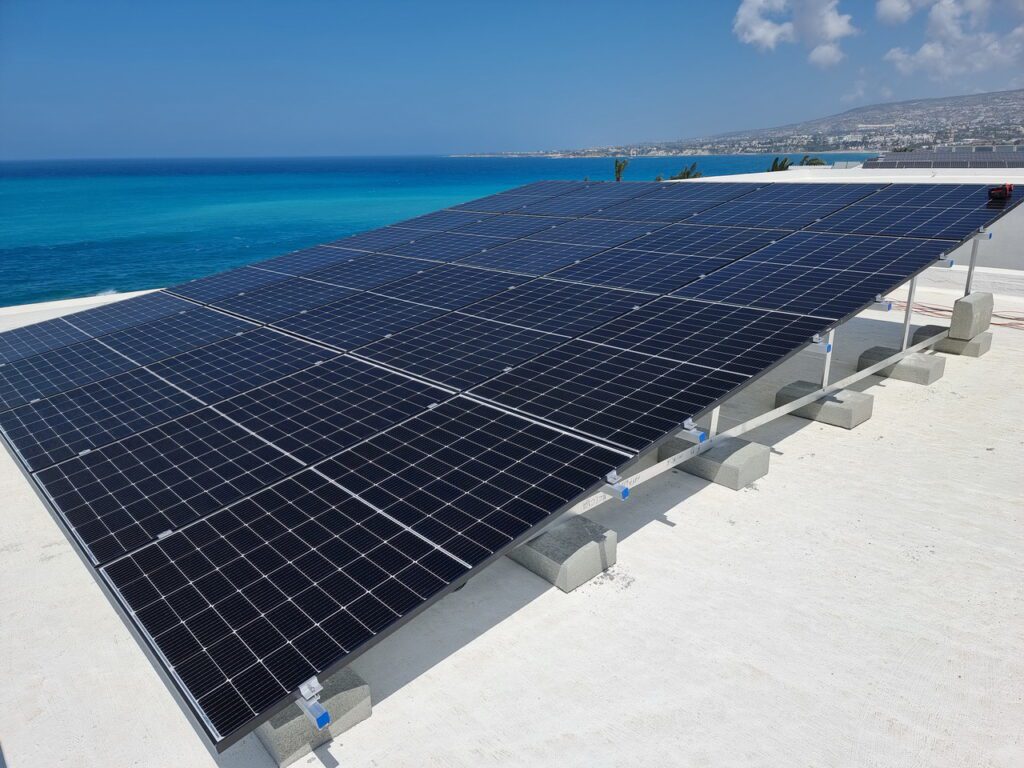
How Much Battery Capacity Do I Need? Quick Answers to Your Solar Questions Get a Free Quote! Buyer’s Guide Solar Knowledge Base ❓ Quick Answer The right battery capacity depends on how much electricity you use and how you want your solar system to operate. There is no one-size-fits-all solution. A battery should be selected according to your household’s energy consumption, your lifestyle, and whether you want to maximise self-consumption, provide backup power, or achieve greater energy independence. Why Is Battery Capacity Important? Your battery stores the electricity generated by your solar panels for use when solar production is low or unavailable. Choosing the right capacity helps you: Use more of your own solar energy Reduce reliance on the electricity grid Power essential appliances during outages (if backup is included) Prepare for future energy needs A battery that is correctly matched to your home provides better long-term value than one that is simply the largest available. What Affects the Required Capacity? Several factors influence the ideal battery size, including: Daily electricity consumption Evening and nighttime energy use Number of people in the household Air conditioning usage Electric vehicle charging Future expansion plans A professional assessment helps determine the most suitable capacity for your specific situation. ✅ Before You Decide Before selecting a battery, ask yourself: ✔ How much electricity do I use after sunset? ✔ Do I want backup power during outages? ✔ Am I planning to buy an electric vehicle? ✔ Will my household’s energy needs increase in the future? Answering these questions makes it easier to choose the right storage capacity. Bigger Isn’t Always Better Many homeowners assume they should install the largest battery they can afford. In reality, an oversized battery may not always provide the best return on investment. A properly sized system is designed to match your actual energy usage while allowing room for future expansion if required. Smart Sizing with Sigenergy At SolarCity Cyprus, every Sigenergy battery system is sized according to the homeowner’s individual energy profile. This allows us to consider: Current electricity consumption Solar production Lifestyle Backup requirements Future expansion The result is a system designed for efficiency rather than unnecessary capacity. Common Mistakes Choosing Capacity Based Only on Price The cheapest or largest battery is not always the best choice. Ignoring Future Energy Needs If you expect your electricity consumption to grow, discuss this during system design. Estimating Instead of Measuring Using real electricity consumption data leads to a much more accurate battery recommendation. 💡 Expert Tip Choose a battery that matches your lifestyle—not just your current electricity bill. Thinking ahead can help avoid unnecessary upgrades later. 📘 Did You Know? Many homeowners discover that their evening electricity usage is higher than they expected. Reviewing your energy consumption profile is one of the best ways to determine the most suitable battery capacity. Conclusion The ideal battery capacity depends on your household’s unique energy needs and long-term goals. Rather than choosing the biggest battery available, it is better to select a system that matches your consumption, supports future growth, and works efficiently with your solar installation. At SolarCity Cyprus, we design Sigenergy battery systems based on real energy usage, helping homeowners achieve reliable, efficient, and flexible energy storage. Frequently Asked Questions Is a larger battery always better? No. The best battery is one that matches your energy consumption and future plans. Can I increase battery capacity later? Many modular battery systems allow additional capacity to be added in the future. How is the right battery capacity calculated? Professional installers assess your electricity usage, solar production, and household requirements before making a recommendation. Will a larger battery reduce my electricity bills? A correctly sized battery can help you make better use of the energy generated by your solar system. The overall savings depend on your energy consumption and system design. Why does SolarCity Cyprus use Sigenergy? SolarCity Cyprus installs Sigenergy because its modular battery design, intelligent energy management, and flexible storage options allow every system to be tailored to each homeowner’s actual energy requirements. 🔗 Related Articles Batteries How Long Do Home Batteries Last? Can I Add More Batteries Later? Are Home Batteries Safe? Where Should a Home Battery Be Installed? Do Home Batteries Work During Power Cuts? Solar Panels Do Solar Panels Need Cleaning in Cyprus? Do Solar Panels Work on Cloudy Days? Related Articles All Posts Costs & Savings Off-Grid Solar System Solar Buyer's Guide Solar FAQ Academy Solar System Installation How Much Battery Capacity Do I Need? September 29, 2026/ How Much Battery Capacity Do I Need? Quick Answers to Your Solar Questions Get a Free Quote! Buyer’s Guide Solar… Read More Do Home Batteries Work During Power Cuts? September 28, 2026/ Do Home Batteries Work During Power Cuts? Quick Answers to Your Solar Questions Get a Free Quote! Buyer’s Guide Solar… Read More Where Should a Home Battery Be Installed? September 26, 2026/ Where Should a Home Battery Be Installed? Quick Answers to Your Solar Questions Get a Free Quote! Buyer’s Guide Solar… Read More Are Home Batteries Safe? September 24, 2026/ Are Home Batteries Safe? Quick Answers to Your Solar Questions Get a Free Quote! Buyer’s Guide Solar Knowledge Base ❓… Read More Can I Add More Batteries Later? September 23, 2026/ Can I Add More Batteries Later? Quick Answers to Your Solar Questions Get a Free Quote! Buyer’s Guide Solar Knowledge… Read More How Long Do Home Batteries Last? September 22, 2026/ How Long Do Home Batteries Last? Quick Answers to Your Solar Questions Get a Free Quote! Buyer’s Guide Solar Knowledge… Read More Do Solar Panels Need Cleaning? September 21, 2026/ Do Solar Panels Need Cleaning in Cyprus? Quick Answers to Your Solar Questions Get a Free Quote! Buyer’s Guide Solar… Read More Solar Panels on Cloudy Days September 18, 2026/ Do Solar Panels Work on Cloudy Days? Quick Answers to Your Solar Questions Get a Free Quote! Buyer’s Guide Solar… Read More Can Birds Damage Solar Panels? September 18, 2026/ Can Birds Damage Solar