
How Long Do Solar Panels Last?
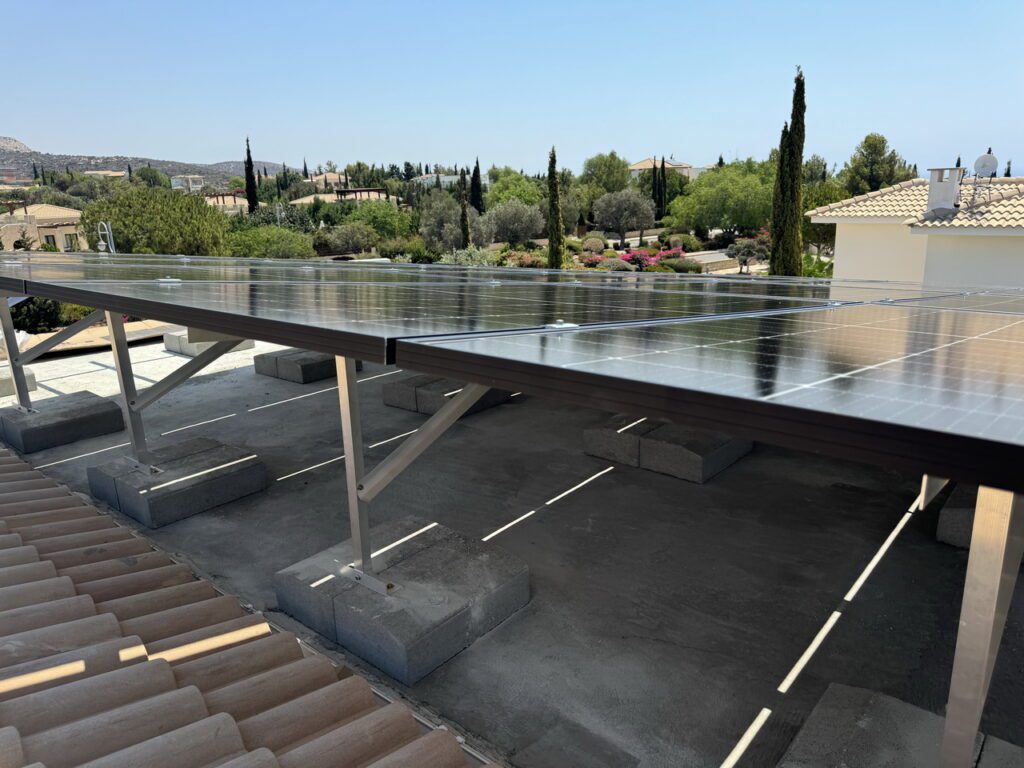
How Long Do Solar Panels Last? Quick Answers to Your Solar Questions Get a Free Quote! Buyer’s Guide Solar Knowledge Base ❓ Quick Answer Most high-quality solar panels are designed to provide reliable performance for decades. Although solar panels gradually lose a small amount of efficiency over time, they continue producing electricity long after installation. Choosing quality equipment and following basic maintenance recommendations helps maximise their lifespan. Why Do Solar Panels Last So Long? Unlike many household appliances, solar panels have no moving parts. This simple design makes them highly reliable and well suited for continuous outdoor operation. Modern solar panels are engineered to withstand: Strong sunlight High temperatures Rain and moisture Wind Everyday environmental conditions Their durable construction is one of the reasons solar energy systems are known for long-term reliability. Do Solar Panels Lose Efficiency? Yes—but very gradually. Over many years of operation, solar panels naturally experience a small reduction in energy production. This process is called performance degradation and is expected with all photovoltaic technology. For homeowners, this usually means the system continues producing clean electricity for many years while maintaining a high level of performance. What Can Affect Panel Lifespan? Several factors influence how well solar panels perform over time, including: Panel manufacturing quality Professional installation Local weather conditions Dust and debris accumulation Proper system maintenance Regular inspections Quality equipment combined with correct installation provides the best foundation for long-term performance. ✅ Before You Decide When choosing a solar system, ask your installer: ✔ What product warranty is provided? ✔ What performance warranty is included? ✔ Which panel manufacturer is being installed? ✔ How should the panels be maintained? Understanding these details helps you make an informed long-term investment. Cyprus Weather and Solar Panels Cyprus offers excellent conditions for solar energy thanks to its abundant sunshine. At the same time, homeowners should remember that: Dust may occasionally accumulate on the panels. Seasonal dust storms can temporarily reduce performance. High summer temperatures are part of normal operating conditions for quality solar equipment. Routine inspections and cleaning when necessary help keep the system operating efficiently. Quality Matters At SolarCity Cyprus, we install premium Luxor Solar panels, designed for long-term reliability and excellent performance. Combined with professional installation and intelligent Sigenergy energy management, homeowners benefit from a complete system engineered for dependable operation over many years. Common Mistakes Assuming Panels Stop Working After Their Warranty Solar panels often continue producing electricity long after the warranty period. The warranty defines the manufacturer’s coverage, not the end of the panel’s useful life. Ignoring Basic Maintenance Simple inspections and keeping the panels reasonably clean help maintain efficient operation. Choosing Panels Based Only on Price Long-term reliability, manufacturer reputation, and overall system quality are just as important as the initial cost. 💡 Expert Tip Think of solar panels as a long-term investment rather than a short-term purchase. High-quality panels can continue generating clean energy for decades with relatively little maintenance. 📘 Did You Know? One of the reasons solar panels are so reliable is their simple construction. With no moving mechanical parts, there is very little wear during normal operation, making them one of the most durable components of an Off-Grid Solar System. Conclusion Modern solar panels are built for long-term performance and can continue generating electricity for many years with minimal maintenance. Choosing high-quality equipment, ensuring professional installation, and carrying out occasional inspections all contribute to reliable operation and excellent long-term value. At SolarCity Cyprus, we install premium Luxor Solar panels together with advanced Sigenergy technology, providing homeowners with dependable performance and intelligent energy management designed for the future. Frequently Asked Questions How long do solar panels usually last? Most high-quality solar panels are designed to operate reliably for decades while gradually experiencing a small reduction in efficiency over time. Do solar panels stop working after the warranty expires? No. Many panels continue producing electricity well beyond the warranty period. Does Cyprus weather reduce panel lifespan? Quality solar panels are designed for outdoor use. Routine maintenance and occasional cleaning help maintain their performance in Cyprus conditions. Can I extend the life of my solar panels? Yes. Professional installation, regular inspections, and keeping the panels free from excessive dirt or debris all help support long-term performance. Why does SolarCity Cyprus use Luxor Solar panels? SolarCity Cyprus installs Luxor Solar panels because they are known for their high manufacturing standards, long-term reliability, and excellent performance in demanding outdoor environments. Combined with Sigenergy energy management, they provide a dependable Off-Grid Solar System for homeowners. 🔗 Related Articles Off-Grid Solar System Maintenance Does an Off-Grid Solar System Need Regular Maintenance? How Often Should My Solar System Be Inspected? Can I Maintain My Solar System Myself? How Long Do Home Batteries Last? Solar Panels Do Solar Panels Need Cleaning in Cyprus? Do Solar Panels Work on Cloudy Days? Costs & Savings Is an Off-Grid Solar System Worth It in Cyprus? Will an Off-Grid Solar System Reduce My Electricity Bills? Related Articles All Posts Costs & Savings Off-Grid Solar System Solar Buyer's Guide Solar FAQ Academy Solar System Installation How Long Do Solar Panels Last? October 23, 2026/ What Should I Do If My Solar System Stops Working? Quick Answers to Your Solar Questions Get a Free Quote!… Read More What Should I Do If My Solar System Stops Working? October 22, 2026/ What Should I Do If My Solar System Stops Working? Quick Answers to Your Solar Questions Get a Free Quote!… Read More Can I Maintain My Solar System Myself? October 20, 2026/ Can I Maintain My Solar System Myself? Quick Answers to Your Solar Questions Get a Free Quote! Buyer’s Guide Solar… Read More How Often Should My Solar System Be Inspected? October 17, 2026/ How Often Should My Solar System Be Inspected? Quick Answers to Your Solar Questions Get a Free Quote! Buyer’s Guide… Read More Does an Off-Grid Solar System Need Regular Maintenance? October 16, 2026/ Does an Off-Grid Solar System Need Regular Maintenance? Quick Answers to Your Solar Questions
What Should I Do If My Solar System Stops Working?
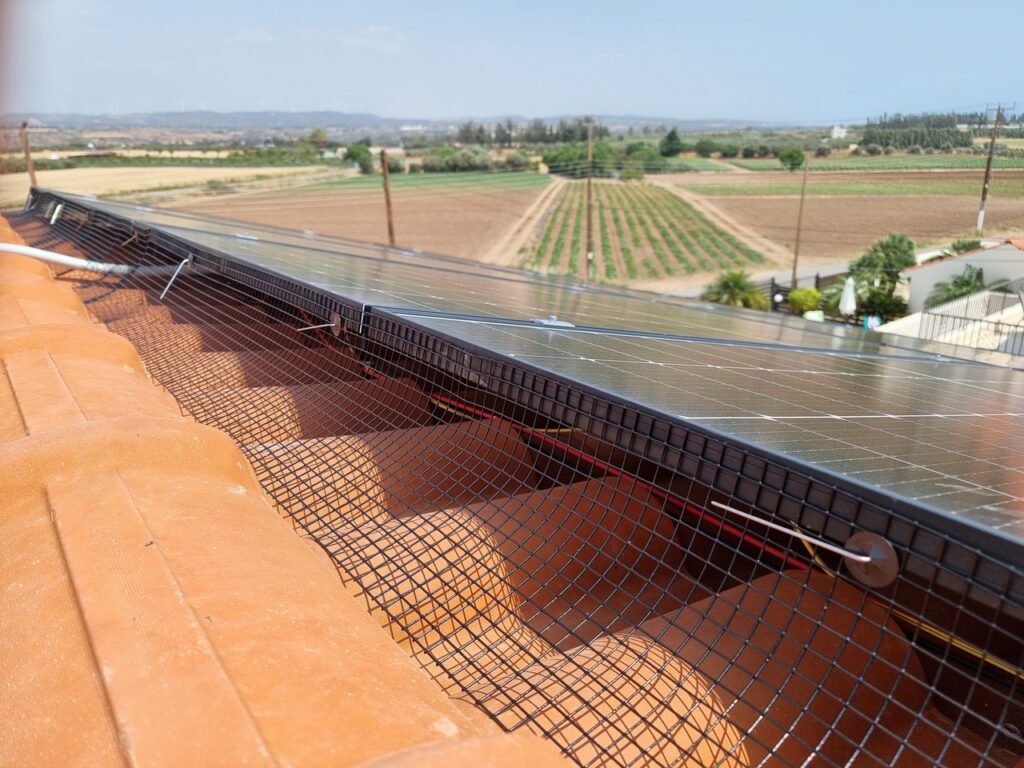
What Should I Do If My Solar System Stops Working? Quick Answers to Your Solar Questions Get a Free Quote! Buyer’s Guide Solar Knowledge Base ❓ Quick Answer Stay calm and perform a few simple checks before assuming there is a serious problem. Modern Off-Grid Solar Systems are designed with intelligent monitoring and built-in protection features. In many cases, a notification or temporary operating condition can explain what you are seeing. Step 1 – Check Your Monitoring App Your monitoring app is usually the quickest way to understand what is happening. Look for: Current system status Recent notifications Battery charge level Solar energy production Any warning or information messages Often, the app provides enough information to determine whether the system is operating normally. Step 2 – Consider the Weather Solar production naturally changes throughout the day and with weather conditions. For example: Cloudy weather reduces energy production. Early morning and evening generate less solar power. Seasonal daylight hours vary throughout the year. Lower production does not necessarily mean the system has stopped working. Step 3 – Perform a Safe Visual Inspection Without opening any equipment, check for obvious issues such as: Heavy dirt or debris covering the panels New objects creating shade Visible damage after severe weather Anything unusual around the installation Never touch electrical components or attempt repairs yourself. Step 4 – Review Recent Alerts If your system has reported repeated notifications, note the information shown in the app. This will help your installer diagnose the situation more quickly if assistance is needed. Step 5 – Contact Your Installer If the system still appears not to be operating correctly after these checks, contact your installer. Providing information such as: Screenshots from the monitoring app Alert messages A brief description of what you observed can help speed up the troubleshooting process. ✅ Before You Need Support It’s helpful to know in advance: ✔ How to access your monitoring app ✔ Where to find recent notifications ✔ Who to contact for technical support ✔ What information your installer may request Being prepared makes resolving any issue much easier. Intelligent Monitoring with Sigenergy At SolarCity Cyprus, our Sigenergy systems provide intelligent monitoring that helps homeowners understand system status in real time. Features include: Live system monitoring Battery performance information Solar production data Automatic notifications Historical performance records These tools make it easier to identify whether the system requires professional attention. Common Mistakes Assuming the System Has Failed Reduced solar production does not always indicate a fault. Weather, time of day, and battery status all affect system performance. Ignoring Notifications Monitoring alerts often provide useful information that can explain system behaviour. Attempting Repairs Yourself Never open the inverter, battery, or electrical equipment. Technical servicing should always be carried out by qualified professionals. 💡 Expert Tip Your monitoring app should always be your first step—not your toolbox. Checking system information before taking any further action often saves time and avoids unnecessary concern. 📘 Did You Know? Many service requests are resolved simply by reviewing the monitoring app and understanding normal system behaviour. Intelligent monitoring helps distinguish between temporary operating conditions and situations that require professional assistance. Conclusion If your Off-Grid Solar System appears to stop working, begin with a few simple checks rather than assuming the worst. Review your monitoring app, consider current weather conditions, perform a safe visual inspection, and contact your installer if necessary. At SolarCity Cyprus, our Sigenergy systems combine advanced monitoring, automatic notifications, and intelligent energy management to help homeowners quickly understand their system’s status and receive professional support whenever it is needed. Frequently Asked Questions Does low solar production always mean something is wrong? No. Weather conditions, the time of day, and seasonal changes all affect solar energy production. Should I restart the system myself? Follow the guidance provided by your installer. If you are unsure, contact them before attempting any action. Can I inspect the system safely? Yes. A simple visual inspection is safe, but never open electrical equipment or attempt repairs. What information should I provide when contacting my installer? Screenshots from the monitoring app, any alert messages, and a description of what you have observed will help your installer diagnose the issue more quickly. Why does SolarCity Cyprus use Sigenergy? SolarCity Cyprus installs Sigenergy because its intelligent monitoring platform, automatic notifications, real-time performance data, and advanced Battery Management System help homeowners understand their system’s status quickly and accurately. 🔗 Related Articles Off-Grid Solar System Maintenance Does an Off-Grid Solar System Need Regular Maintenance? How Often Should My Solar System Be Inspected? Can I Maintain My Solar System Myself? How Long Do Solar Panels Last? Smart Home & Energy Management Can My Solar System Send Alerts? Can I Track My Energy Usage Over Time? Batteries Do Home Batteries Work During Power Cuts? How Long Do Home Batteries Last? Related Articles All Posts Costs & Savings Off-Grid Solar System Solar Buyer's Guide Solar FAQ Academy Solar System Installation What Should I Do If My Solar System Stops Working? October 22, 2026/ Can I Maintain My Solar System Myself? Quick Answers to Your Solar Questions Get a Free Quote! Buyer’s Guide Solar… Read More Can I Maintain My Solar System Myself? October 20, 2026/ Can I Maintain My Solar System Myself? Quick Answers to Your Solar Questions Get a Free Quote! Buyer’s Guide Solar… Read More How Often Should My Solar System Be Inspected? October 17, 2026/ How Often Should My Solar System Be Inspected? Quick Answers to Your Solar Questions Get a Free Quote! Buyer’s Guide… Read More Does an Off-Grid Solar System Need Regular Maintenance? October 16, 2026/ Does an Off-Grid Solar System Need Regular Maintenance? Quick Answers to Your Solar Questions Get a Free Quote! Buyer’s Guide… Read More Will My Solar System Receive Software Updates? October 15, 2026/ Will My Solar System Receive Software Updates? Quick Answers to Your Solar Questions Get a Free Quote! Buyer’s Guide Solar… Read More Can I Track My Energy Usage Over Time? October 14, 2026/ Can
Can I Maintain My Solar System Myself?
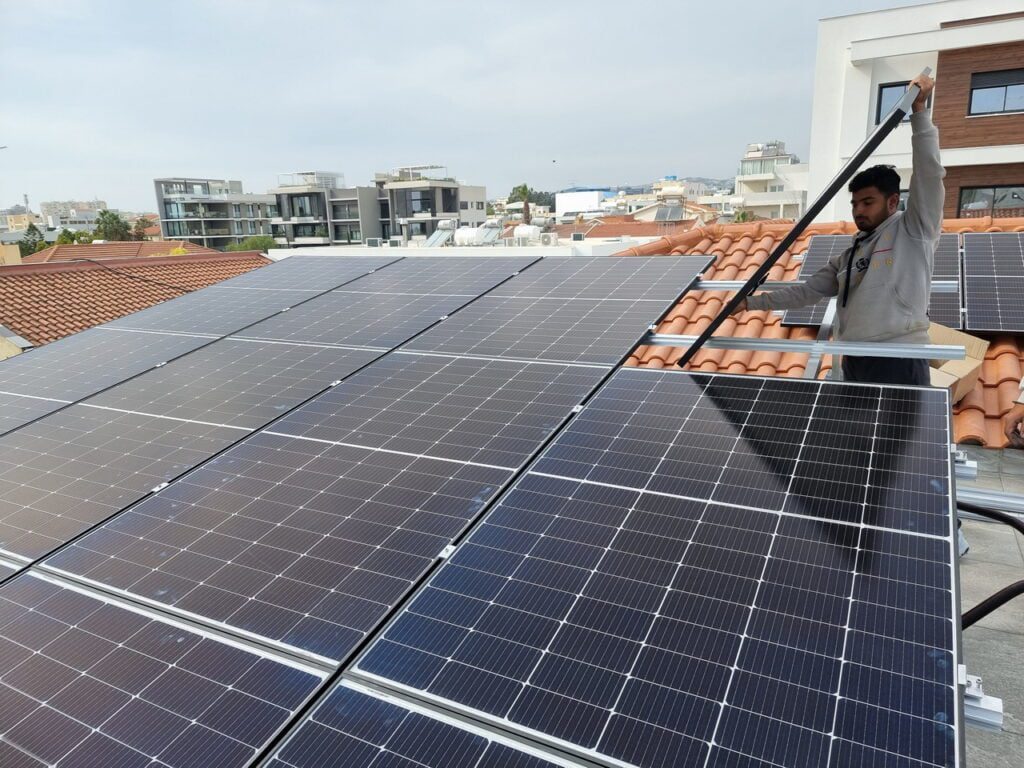
Can I Maintain My Solar System Myself? Quick Answers to Your Solar Questions Get a Free Quote! Buyer’s Guide Solar Knowledge Base ❓ Quick Answer Yes—but only certain maintenance tasks. Homeowners can safely carry out simple visual inspections and monitor system performance through the mobile app. However, electrical work, equipment servicing, and technical repairs should always be performed by qualified professionals. What Can You Do Yourself? Most routine maintenance is simple and does not require technical knowledge. You can safely: Check your monitoring app regularly Review system notifications Perform a visual inspection of the solar panels Remove leaves or loose debris from around the panels (where it is safe to do so) Check that nearby trees or new objects are not creating additional shade Contact your installer if something appears unusual These simple habits help keep your system operating efficiently. What Should Be Left to Professionals? Certain tasks require specialist knowledge and should never be attempted without the proper training. These include: Electrical repairs Opening the inverter or battery cabinet Inspecting internal wiring Replacing electrical components Diagnosing system faults Working on high-voltage equipment Attempting these tasks yourself may be unsafe and could affect equipment warranties. ✅ Before You Decide Ask your installer: ✔ Which maintenance tasks can I perform safely? ✔ Are there any components I should never touch? ✔ How should I report unusual system behaviour? ✔ When should I schedule professional servicing? Clear guidance from your installer helps you care for your system with confidence. Your Monitoring App Is Part of Maintenance One of the easiest ways to look after your Off-Grid Solar System is simply by checking the monitoring app. It allows you to: Confirm that the system is operating normally Review battery performance Check solar energy production See recent notifications Monitor long-term performance trends In many cases, the app will alert you before you notice any change yourself. Professional Support from SolarCity Cyprus At SolarCity Cyprus, we encourage homeowners to perform simple routine checks while leaving technical servicing to qualified professionals. Our Sigenergy systems include: Intelligent monitoring Automatic notifications Advanced Battery Management System (BMS) Real-time performance information Easy-to-use mobile app This combination helps reduce maintenance while keeping homeowners well informed. Common Mistakes Trying to Repair Electrical Components Yourself Modern solar systems contain high-voltage equipment that should only be serviced by qualified technicians. Ignoring Small Changes If your monitoring app reports repeated alerts or unusual performance, contact your installer instead of waiting for the problem to become more serious. Forgetting Simple Visual Checks A quick inspection every few weeks can help identify visible issues before they affect system performance. 💡 Expert Tip Think of yourself as the system’s observer—not its repair technician. Regular monitoring and visual inspections are valuable, but technical servicing should always be carried out by trained professionals. 📘 Did You Know? Most homeowners spend only a few minutes each month checking their Off-Grid Solar System. Modern monitoring technology has significantly reduced the amount of routine maintenance required compared with older energy systems. Conclusion Looking after your Off-Grid Solar System does not require advanced technical knowledge. Simple visual inspections, regular monitoring, and paying attention to system notifications are usually all that homeowners need to do. When technical servicing or repairs are required, qualified professionals can ensure the system continues operating safely and efficiently. At SolarCity Cyprus, our Sigenergy installations combine intelligent monitoring with professional support, making long-term system maintenance straightforward and reliable. Frequently Asked Questions Can I clean my solar panels myself? If the panels are safely accessible and the manufacturer’s recommendations are followed, light cleaning may be possible. However, if access is difficult or specialised equipment is required, professional cleaning is recommended. Can I repair my inverter or battery? No. Electrical components should only be serviced by qualified professionals. Is checking the monitoring app considered maintenance? Yes. Regularly reviewing system performance and notifications is one of the simplest and most effective maintenance habits. What should I do if I receive repeated alerts? Contact your installer so the system can be checked if necessary. Why does SolarCity Cyprus use Sigenergy? SolarCity Cyprus installs Sigenergy because its intelligent monitoring platform, advanced Battery Management System, automatic notifications, and user-friendly mobile app help homeowners monitor their system while reducing routine maintenance requirements. 🔗 Related Articles Off-Grid Solar System Maintenance Does an Off-Grid Solar System Need Regular Maintenance? How Often Should My Solar System Be Inspected? What Should I Do If My Solar System Stops Working? Smart Home & Energy Management Can My Solar System Send Alerts? Can I Track My Energy Usage Over Time? Solar Panels Do Solar Panels Need Cleaning in Cyprus? Related Articles All Posts Costs & Savings Off-Grid Solar System Solar Buyer's Guide Solar FAQ Academy Solar System Installation Can I Maintain My Solar System Myself? October 20, 2026/ How Often Should My Solar System Be Inspected? Quick Answers to Your Solar Questions Get a Free Quote! Buyer’s Guide… Read More How Often Should My Solar System Be Inspected? October 17, 2026/ How Often Should My Solar System Be Inspected? Quick Answers to Your Solar Questions Get a Free Quote! Buyer’s Guide… Read More Does an Off-Grid Solar System Need Regular Maintenance? October 16, 2026/ Does an Off-Grid Solar System Need Regular Maintenance? Quick Answers to Your Solar Questions Get a Free Quote! Buyer’s Guide… Read More Will My Solar System Receive Software Updates? October 15, 2026/ Will My Solar System Receive Software Updates? Quick Answers to Your Solar Questions Get a Free Quote! Buyer’s Guide Solar… Read More Can I Track My Energy Usage Over Time? October 14, 2026/ Can I Track My Energy Usage Over Time? Quick Answers to Your Solar Questions Get a Free Quote! Buyer’s Guide… Read More Can My Solar System Send Alerts? October 13, 2026/ Can My Solar System Send Alerts? Quick Answers to Your Solar Questions Get a Free Quote! Buyer’s Guide Solar Knowledge… Read More How Does Smart Energy Management Work? October 12, 2026/ How Does Smart Energy Management Work? Quick Answers to Your
How Often Should My Solar System Be Inspected?
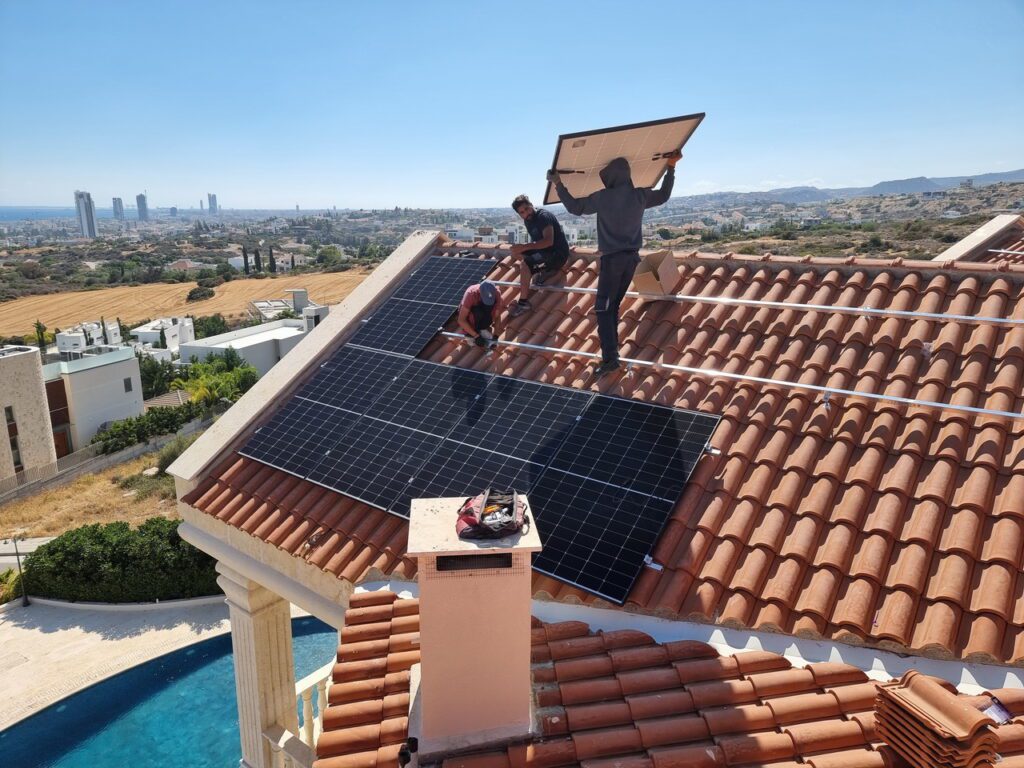
How Often Should My Solar System Be Inspected? Quick Answers to Your Solar Questions Get a Free Quote! Buyer’s Guide Solar Knowledge Base ❓ Quick Answer Most Off-Grid Solar Systems benefit from regular visual checks and periodic professional inspections. While modern systems require relatively little maintenance, occasional inspections help ensure that all components continue operating safely, efficiently, and reliably for many years. Why Are Regular Inspections Important? Your solar system is designed to operate outdoors every day, exposed to sunlight, heat, dust, wind, and seasonal weather conditions. Routine inspections help: Confirm that the system is operating normally Detect small issues before they become larger problems Maintain long-term efficiency Protect the performance of key components Provide peace of mind Most inspections take far less time than many homeowners expect. How Often Should You Check Your System? Monthly A quick visual inspection is usually sufficient. You can: Look for visible dirt or debris on the panels Check that nothing is shading the solar array Open the monitoring app and confirm the system is operating normally Review any notifications or alerts These simple checks only take a few minutes. After Severe Weather It’s a good idea to inspect your system after: Strong winds Heavy rain Dust storms Hail (where applicable) Any unusual weather event A quick visual inspection helps confirm that everything appears normal. Professional Inspection In addition to routine homeowner checks, it is advisable to have your system professionally inspected periodically, following your installer’s recommendations and the manufacturer’s maintenance guidance. A qualified technician can inspect electrical connections, verify equipment operation, and ensure the system continues performing safely and efficiently. ✅ Before You Decide Ask your installer: ✔ How often do you recommend professional inspections? ✔ Which parts of the system should I check myself? ✔ What signs indicate that the system should be inspected sooner? ✔ Is preventive maintenance available? Knowing the recommended inspection schedule helps protect your investment. What Should You Look For? During a routine visual inspection, check for: Visible damage to solar panels Loose or damaged mounting hardware Dirt, leaves, or debris covering the panels Warning notifications in the monitoring app Anything that looks unusual compared to previous inspections If you notice anything unexpected, contact your installer for advice rather than attempting repairs yourself. Professional Support from SolarCity Cyprus At SolarCity Cyprus, we recommend combining simple homeowner inspections with professional servicing when required. Our Sigenergy systems include: Intelligent monitoring Automatic system notifications Real-time performance data Battery status monitoring Easy-to-use mobile app These features help homeowners identify potential issues early while making routine inspections quick and straightforward. Common Mistakes Waiting Until Something Stops Working Preventive inspections help identify small issues before they affect system performance. Ignoring Small Changes A minor change in system performance or repeated notifications may indicate that the system should be inspected. Attempting Electrical Repairs Yourself Visual inspections are safe for homeowners, but electrical servicing should always be carried out by qualified professionals. 💡 Expert Tip A five-minute inspection once a month can help protect years of reliable solar performance. Regular checks are simple, require very little effort, and provide confidence that your system is operating as expected. 📘 Did You Know? In Cyprus, dust accumulation and occasional seasonal dust storms can reduce solar panel performance over time. Regular visual inspections help you decide when cleaning or professional maintenance may be beneficial. Conclusion Routine inspections are one of the easiest ways to keep your Off-Grid Solar System performing efficiently. By combining occasional visual checks with intelligent monitoring and professional servicing when recommended, homeowners can enjoy reliable solar energy for many years. At SolarCity Cyprus, our Sigenergy installations provide advanced monitoring tools that make routine inspections simple while helping homeowners stay informed about their system’s long-term performance. Frequently Asked Questions How often should I inspect my solar system? A quick visual inspection once a month is a good habit, along with periodic professional inspections based on your installer’s recommendations. Should I inspect the system after bad weather? Yes. After strong winds, heavy rain, or dust storms, a simple visual check helps confirm everything appears normal. Can I inspect the system myself? Yes. Homeowners can safely perform basic visual inspections and monitor system performance through the mobile app. Electrical servicing should always be left to qualified professionals. What should I do if I notice something unusual? Check your monitoring app and contact your installer if anything appears abnormal or if you receive repeated system notifications. Why does SolarCity Cyprus use Sigenergy? SolarCity Cyprus installs Sigenergy because its intelligent monitoring platform, automatic notifications, real-time performance data, and advanced Battery Management System help homeowners keep track of their system with minimal effort. 🔗 Related Articles Off-Grid Solar System Maintenance Does an Off-Grid Solar System Need Regular Maintenance? Can I Maintain My Solar System Myself? What Should I Do If My Solar System Stops Working? Smart Home & Energy Management Can My Solar System Send Alerts? Can I Track My Energy Usage Over Time? Solar Panels Do Solar Panels Need Cleaning in Cyprus? Related Articles All Posts Costs & Savings Off-Grid Solar System Solar Buyer's Guide Solar FAQ Academy Solar System Installation How Often Should My Solar System Be Inspected? October 17, 2026/ Does an Off-Grid Solar System Need Regular Maintenance? Quick Answers to Your Solar Questions Get a Free Quote! Buyer’s Guide… Read More Does an Off-Grid Solar System Need Regular Maintenance? October 16, 2026/ Does an Off-Grid Solar System Need Regular Maintenance? Quick Answers to Your Solar Questions Get a Free Quote! Buyer’s Guide… Read More Will My Solar System Receive Software Updates? October 15, 2026/ Will My Solar System Receive Software Updates? Quick Answers to Your Solar Questions Get a Free Quote! Buyer’s Guide Solar… Read More Can I Track My Energy Usage Over Time? October 14, 2026/ Can I Track My Energy Usage Over Time? Quick Answers to Your Solar Questions Get a Free Quote! Buyer’s Guide… Read More Can My Solar System Send Alerts? October 13, 2026/ Can My Solar System Send Alerts? Quick
Does an Off-Grid Solar System Need Regular Maintenance?
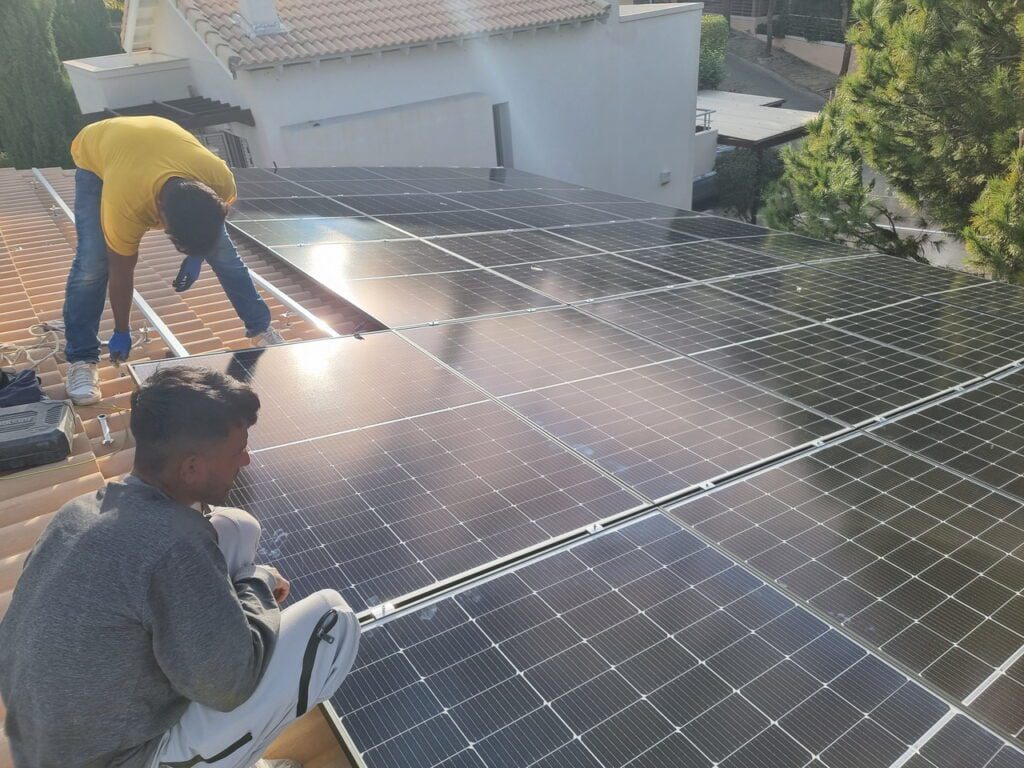
Does an Off-Grid Solar System Need Regular Maintenance? Quick Answers to Your Solar Questions Get a Free Quote! Buyer’s Guide Solar Knowledge Base ❓ Quick Answer Yes—but much less than many homeowners expect. Modern Off-Grid Solar Systems are designed to operate reliably with minimal routine maintenance. While the system largely manages itself, occasional inspections and basic care help maintain safe operation and long-term performance. Why Is Maintenance Important? Although solar systems have very few moving parts, they are exposed to weather, dust, sunlight, and daily operation throughout the year. Regular maintenance helps: Maintain system efficiency Identify potential issues early Protect long-term performance Extend the service life of key components Ensure the system continues operating safely Preventive care is usually much easier than dealing with unexpected problems later. What Should Be Checked? Routine maintenance may include: Visual inspection of solar panels Checking that panels remain free from excessive dirt or debris Inspecting cables and electrical connections Reviewing inverter and battery status through the monitoring app Confirming the system is operating normally The exact maintenance schedule depends on the equipment installed and the manufacturer’s recommendations. ✅ Before You Decide Ask your installer: ✔ Does the system require scheduled inspections? ✔ What maintenance can I perform myself? ✔ Which tasks should be carried out by a qualified technician? ✔ How will I know if the system needs attention? Understanding these points helps homeowners feel more confident after installation. Most Maintenance Is Preventive Modern Off-Grid Solar Systems are designed to detect and report many operating conditions automatically. Instead of performing regular manual adjustments, homeowners mainly benefit from: Periodic visual inspections Monitoring system performance through the mobile app Following manufacturer recommendations Contacting the installer if unusual notifications appear For most households, maintenance becomes a simple routine rather than a demanding task. Professional Support from SolarCity Cyprus At SolarCity Cyprus, we recommend regular inspections and ongoing system monitoring to help ensure reliable operation. Our installations using Sigenergy technology provide: Intelligent system monitoring Real-time performance information Automatic notifications Advanced Battery Management System (BMS) Easy access to system data through a mobile app These features help identify potential issues early while reducing the amount of manual maintenance required. Common Mistakes Assuming the System Never Needs Attention Even reliable systems benefit from occasional inspections. Ignoring System Notifications Monitoring alerts should not be overlooked, especially if the same notification appears repeatedly. Delaying Professional Inspections Routine inspections help identify small issues before they affect system performance. 💡 Expert Tip A few minutes spent checking your solar system every month can help protect years of reliable performance. Simple visual inspections and regular monitoring are often all that’s needed. 📘 Did You Know? Modern Off-Grid Solar Systems contain very few moving parts, which is one of the reasons they generally require far less maintenance than many other household energy systems. Conclusion Modern Off-Grid Solar Systems are designed to provide reliable performance with relatively little routine maintenance. By combining occasional visual inspections, intelligent monitoring, and professional servicing when required, homeowners can enjoy dependable energy production for many years. At SolarCity Cyprus, we install advanced Sigenergy systems that make maintenance easier through intelligent monitoring, automatic notifications, and reliable long-term performance. Frequently Asked Questions Does every Off-Grid Solar System require maintenance? Yes. While maintenance requirements are generally low, occasional inspections and basic care help maintain reliable performance. How often should I check my system? A simple visual inspection and regular review of the monitoring app are good habits. Follow the maintenance recommendations provided by your installer. Can I perform maintenance myself? Homeowners can usually carry out basic visual checks, but electrical inspections and servicing should be performed by qualified professionals. Will the system tell me if something is wrong? Many modern systems provide notifications through the monitoring app when unusual operating conditions are detected. Why does SolarCity Cyprus use Sigenergy? SolarCity Cyprus installs Sigenergy because its intelligent monitoring platform, advanced Battery Management System, real-time notifications, and user-friendly mobile app help simplify maintenance while supporting reliable long-term system performance. 🔗 Related Articles Off-Grid Solar System Maintenance How Often Should My Solar System Be Inspected? Can I Maintain My Solar System Myself? What Should I Do If My Solar System Stops Working? Smart Home & Energy Management Can My Solar System Send Alerts? Can I Track My Energy Usage Over Time? Solar Panels Do Solar Panels Need Cleaning in Cyprus? Related Articles All Posts Costs & Savings Off-Grid Solar System Solar Buyer's Guide Solar FAQ Academy Solar System Installation Does an Off-Grid Solar System Need Regular Maintenance? October 16, 2026/ Will My Solar System Receive Software Updates? Quick Answers to Your Solar Questions Get a Free Quote! Buyer’s Guide Solar… Read More Will My Solar System Receive Software Updates? October 15, 2026/ Will My Solar System Receive Software Updates? Quick Answers to Your Solar Questions Get a Free Quote! Buyer’s Guide Solar… Read More Can I Track My Energy Usage Over Time? October 14, 2026/ Can I Track My Energy Usage Over Time? Quick Answers to Your Solar Questions Get a Free Quote! Buyer’s Guide… Read More Can My Solar System Send Alerts? October 13, 2026/ Can My Solar System Send Alerts? Quick Answers to Your Solar Questions Get a Free Quote! Buyer’s Guide Solar Knowledge… Read More How Does Smart Energy Management Work? October 12, 2026/ How Does Smart Energy Management Work? Quick Answers to Your Solar Questions Get a Free Quote! Buyer’s Guide Solar Knowledge… Read More Can I Control My Solar System Remotely? October 11, 2026/ Can I Control My Solar System Remotely? Quick Answers to Your Solar Questions Get a Free Quote! Buyer’s Guide Solar… Read More Can I Monitor My Solar System on My Phone? October 9, 2026/ Can I Monitor My Solar System on My Phone? Quick Answers to Your Solar Questions Get a Free Quote! Buyer’s… Read More Is the Cheapest Solar System the Best Choice? October 8, 2026/ Is the Cheapest Solar System Always the Best Choice? Quick Answers to Your Solar Questions Get a Free Quote!
Will My Solar System Receive Software Updates?
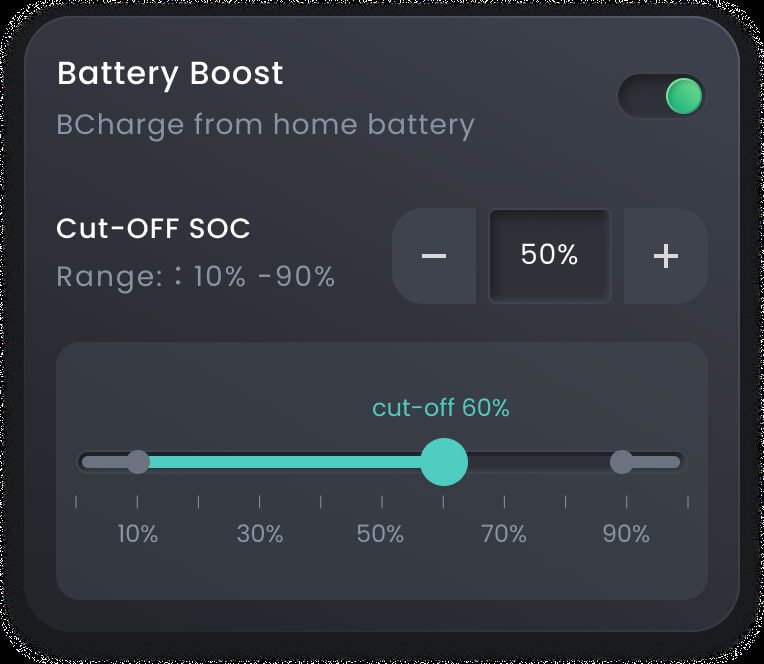
Will My Solar System Receive Software Updates? Quick Answers to Your Solar Questions Get a Free Quote! Buyer’s Guide Solar Knowledge Base ❓ Quick Answer Many modern solar systems support software updates. Depending on the equipment installed, software updates may improve system performance, add new features, enhance security, or optimise energy management. The availability and method of updates depend on the manufacturer and system configuration. Why Do Solar Systems Need Software Updates? Today’s Off-Grid Solar Systems are more than solar panels and batteries. They include intelligent software that helps manage: Solar energy production Battery charging and discharging Energy flow throughout the home System monitoring Communication with the mobile app Like many modern technologies, this software may be improved over time. What Can Updates Improve? Depending on the manufacturer, updates may: Improve overall system performance Enhance system stability Optimise energy management Add new monitoring features Improve compatibility between system components Strengthen system security Not every update introduces new features, but many are designed to improve reliability and performance. ✅ Before You Decide Ask your installer: ✔ Does the system support software updates? ✔ How are updates installed? ✔ Will I be notified when updates are available? ✔ Will my monitoring app also receive updates? These questions help you understand how your system may continue to improve over time. Why Long-Term Support Matters Choosing a modern energy system is not only about today’s features. Long-term software support helps ensure that your system continues to operate efficiently as technology evolves. This gives homeowners confidence that their investment remains up to date. Smart Technology with Sigenergy At SolarCity Cyprus, we install Sigenergy systems designed with intelligent software and connected monitoring. Depending on the system configuration and manufacturer support, homeowners may benefit from ongoing software improvements that help optimise: Energy management Battery performance Monitoring functions User experience Overall system reliability This reflects the ongoing development of modern energy technology. Common Mistakes Assuming Solar Systems Never Change Modern energy systems combine hardware with intelligent software that may evolve over time. Ignoring Available Updates If updates are recommended by the manufacturer or installer, they can help maintain reliable system operation. Thinking Updates Are Only for Mobile Apps Software improvements may also apply to the energy management platform itself, depending on the equipment installed. 💡 Expert Tip Choose a solar system that is designed not only for today, but also for the future. Long-term software support can help your investment continue delivering value as technology develops. 📘 Did You Know? Many modern technologies—from smartphones to electric vehicles—regularly receive software improvements. Advanced residential energy systems are following the same trend, helping homeowners benefit from continuous innovation throughout the life of the system. Conclusion Software updates have become an important part of modern energy management. By supporting improved performance, intelligent monitoring, and long-term reliability, they help ensure your Off-Grid Solar System continues to deliver efficient operation for years to come. At SolarCity Cyprus, we install Sigenergy systems that combine advanced hardware with intelligent software, giving homeowners access to a modern, connected energy solution designed for the future. Frequently Asked Questions Do all solar systems receive software updates? No. Software update availability depends on the manufacturer, equipment, and system configuration. Will updates improve my system? Many updates are designed to improve stability, monitoring, energy management, or security. Do I need to install updates myself? The update process depends on the manufacturer and installer. Your installer can explain how updates are managed for your system. Will my mobile app also receive updates? Yes. Monitoring applications are often updated to improve functionality and user experience. Why does SolarCity Cyprus use Sigenergy? SolarCity Cyprus installs Sigenergy because its intelligent software platform, advanced monitoring, modular architecture, and continuous technology development provide homeowners with a modern and future-ready Off-Grid Solar System. 🔗 Related Articles Smart Home & Energy Management Can I Monitor My Solar System on My Phone? Can I Control My Solar System Remotely? How Does Smart Energy Management Work? Can My Solar System Send Alerts? Can I Track My Energy Usage Over Time? Costs & Savings Will an Off-Grid Solar System Reduce My Electricity Bills? Is the Cheapest Solar System Always the Best Choice? Batteries Do Home Batteries Need Maintenance? How Much Battery Capacity Do I Need? Related Articles All Posts Costs & Savings Off-Grid Solar System Solar Buyer's Guide Solar FAQ Academy Solar System Installation Will My Solar System Receive Software Updates? October 15, 2026/ Can I Track My Energy Usage Over Time? Quick Answers to Your Solar Questions Get a Free Quote! Buyer’s Guide… Read More Can I Track My Energy Usage Over Time? October 14, 2026/ Can I Track My Energy Usage Over Time? Quick Answers to Your Solar Questions Get a Free Quote! Buyer’s Guide… Read More Can My Solar System Send Alerts? October 13, 2026/ Can My Solar System Send Alerts? Quick Answers to Your Solar Questions Get a Free Quote! Buyer’s Guide Solar Knowledge… Read More How Does Smart Energy Management Work? October 12, 2026/ How Does Smart Energy Management Work? Quick Answers to Your Solar Questions Get a Free Quote! Buyer’s Guide Solar Knowledge… Read More Can I Control My Solar System Remotely? October 11, 2026/ Can I Control My Solar System Remotely? Quick Answers to Your Solar Questions Get a Free Quote! Buyer’s Guide Solar… Read More Can I Monitor My Solar System on My Phone? October 9, 2026/ Can I Monitor My Solar System on My Phone? Quick Answers to Your Solar Questions Get a Free Quote! Buyer’s… Read More Is the Cheapest Solar System the Best Choice? October 8, 2026/ Is the Cheapest Solar System Always the Best Choice? Quick Answers to Your Solar Questions Get a Free Quote! Buyer’s… Read More What Affects the Cost of an Off-Grid Solar System? October 8, 2026/ What Affects the Cost of an Off-Grid Solar System? Quick Answers to Your Solar Questions Get a Free Quote! Buyer’s… Read More Will an Off-Grid Solar System Reduce My Electricity Bills? October 7, 2026/ Will an Off-Grid
Can I Track My Energy Usage Over Time?
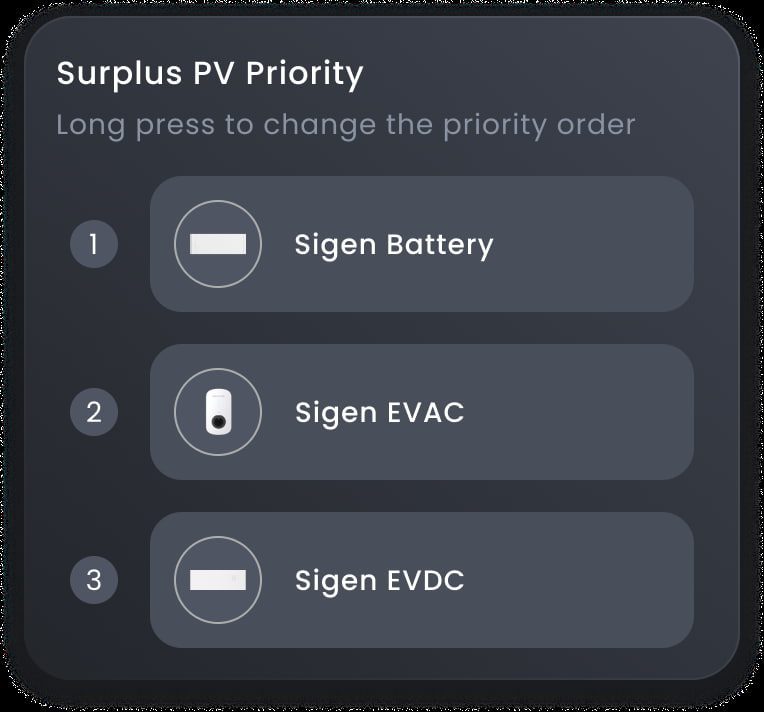
Can I Track My Energy Usage Over Time? Quick Answers to Your Solar Questions Get a Free Quote! Buyer’s Guide Solar Knowledge Base ❓ Quick Answer Yes. Most modern Off-Grid Solar Systems allow homeowners to review their energy production and electricity usage over time. Historical data makes it easier to understand household energy habits, monitor battery performance, and see how efficiently your solar system is operating. Why Is Energy Tracking Important? Real-time monitoring shows what your system is doing at this moment. Historical reports help you see the bigger picture. Instead of looking at today’s performance alone, you can identify patterns that develop over days, weeks, months, or even longer. This information helps you better understand how your home uses energy. What Information Can You Review? Depending on your monitoring platform, you may be able to view: Daily solar energy production Household electricity consumption Battery charging and discharging history Energy flow throughout the day Weekly and monthly performance summaries Long-term production trends This information is typically presented through simple charts and easy-to-read reports. ✅ Before You Decide When choosing a solar system, ask your installer: ✔ Can I view historical energy data? ✔ How long is performance history stored? ✔ Can I compare different time periods? ✔ Does the app display battery history as well as solar production? These features can help you understand how your system performs throughout the year. How Historical Data Helps Homeowners Tracking your energy usage can help you: Recognise seasonal changes in solar production Understand when your home consumes the most electricity Monitor battery performance over time Improve household energy habits Make better use of your available solar energy Even small adjustments to daily routines can improve overall system efficiency. Smart Energy Reports with Sigenergy At SolarCity Cyprus, we install Sigenergy systems that provide detailed historical reporting through an intuitive mobile app. Homeowners can: Review solar production history Monitor battery performance Analyse household energy consumption Compare historical trends Better understand long-term system performance These insights help homeowners make informed energy decisions every day. Common Mistakes Looking Only at Today’s Data One day’s performance does not always reflect how the system performs over time. Ignoring Seasonal Changes Solar production naturally varies throughout the year. Comparing different seasons provides a more accurate picture of system performance. Never Reviewing Historical Reports Occasional reviews help homeowners better understand their energy habits and identify opportunities for greater efficiency. 💡 Expert Tip Review your energy reports once each month. Regular reviews provide valuable insight into how your household uses electricity and help you get the maximum benefit from your Off-Grid Solar System. 📘 Did You Know? Many homeowners discover unexpected energy habits after reviewing historical reports. Simple changes—such as running energy-intensive appliances during periods of strong solar production—can improve the overall efficiency of the system. Conclusion Historical energy tracking allows homeowners to look beyond today’s solar production and gain a deeper understanding of how their system performs over time. By reviewing energy trends, battery performance, and household consumption, you can make informed decisions that improve efficiency and maximise the value of your solar investment. At SolarCity Cyprus, every Sigenergy installation includes advanced reporting tools that help homeowners monitor long-term performance through clear, easy-to-use historical data. Frequently Asked Questions Can I see my energy usage from previous months? Yes. Most modern monitoring platforms store historical performance data that can be reviewed at any time. Can I compare different time periods? Many systems allow homeowners to compare daily, weekly, monthly, and yearly performance. Will I also see battery history? Yes. Depending on the system, the app can display battery charging and discharging history alongside solar production. Why is historical data useful? It helps homeowners understand long-term energy patterns and identify opportunities to improve efficiency. Why does SolarCity Cyprus use Sigenergy? SolarCity Cyprus installs Sigenergy because its intelligent monitoring platform provides detailed historical reporting, battery analytics, real-time monitoring, and user-friendly tools that help homeowners better understand and optimise their Off-Grid Solar System. 🔗 Related Articles Smart Home & Energy Management Can I Monitor My Solar System on My Phone? Can I Control My Solar System Remotely? How Does Smart Energy Management Work? Can My Solar System Send Alerts? Will My Solar System Receive Software Updates? Costs & Savings Will an Off-Grid Solar System Reduce My Electricity Bills? What Affects the Cost of an Off-Grid Solar System? Batteries How Much Battery Capacity Do I Need? Do Home Batteries Need Maintenance? Related Articles All Posts Costs & Savings Off-Grid Solar System Solar Buyer's Guide Solar FAQ Academy Solar System Installation Can I Track My Energy Usage Over Time? October 14, 2026/ Can My Solar System Send Alerts? Quick Answers to Your Solar Questions Get a Free Quote! Buyer’s Guide Solar Knowledge… Read More Can My Solar System Send Alerts? October 13, 2026/ Can My Solar System Send Alerts? Quick Answers to Your Solar Questions Get a Free Quote! Buyer’s Guide Solar Knowledge… Read More How Does Smart Energy Management Work? October 12, 2026/ How Does Smart Energy Management Work? Quick Answers to Your Solar Questions Get a Free Quote! Buyer’s Guide Solar Knowledge… Read More Can I Control My Solar System Remotely? October 11, 2026/ Can I Control My Solar System Remotely? Quick Answers to Your Solar Questions Get a Free Quote! Buyer’s Guide Solar… Read More Can I Monitor My Solar System on My Phone? October 9, 2026/ Can I Monitor My Solar System on My Phone? Quick Answers to Your Solar Questions Get a Free Quote! Buyer’s… Read More Is the Cheapest Solar System the Best Choice? October 8, 2026/ Is the Cheapest Solar System Always the Best Choice? Quick Answers to Your Solar Questions Get a Free Quote! Buyer’s… Read More What Affects the Cost of an Off-Grid Solar System? October 8, 2026/ What Affects the Cost of an Off-Grid Solar System? Quick Answers to Your Solar Questions Get a Free Quote! Buyer’s… Read More Will an Off-Grid Solar System Reduce My Electricity Bills? October 7, 2026/ Will an Off-Grid
Can My Solar System Send Alerts?
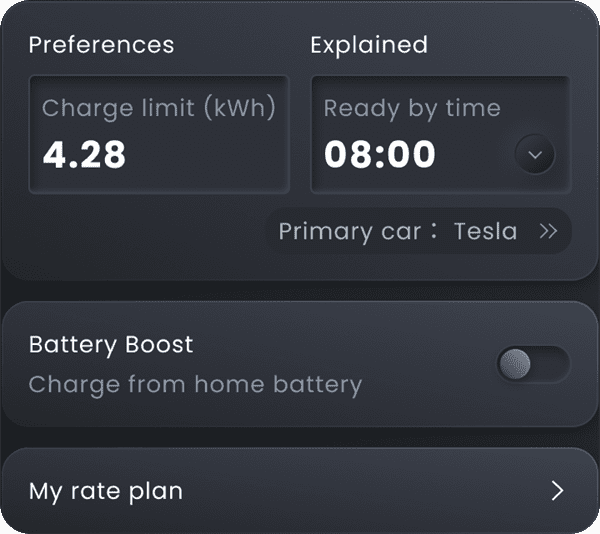
Can My Solar System Send Alerts? Quick Answers to Your Solar Questions Get a Free Quote! Buyer’s Guide Solar Knowledge Base ❓ Quick Answer Yes. Many modern Off-Grid Solar Systems can notify homeowners when important events occur. Depending on the system, alerts may appear in the mobile app, helping you stay informed about system performance, battery status, or other operating conditions. Why Are Alerts Useful? Your solar system operates continuously, often without needing your attention. However, there may be occasions when it is helpful to know that something has changed. Automatic notifications allow you to check your system quickly without needing to monitor it constantly. This gives homeowners greater confidence that their system is operating as expected. What Kind of Alerts Can You Receive? Depending on the equipment installed, your system may notify you about: Changes in system status Battery charging or discharging activity Communication interruptions Performance notifications General operating information Maintenance reminders, where available The exact notifications depend on the manufacturer and system configuration. ✅ Before You Decide When choosing a solar system, ask your installer: ✔ Does the system provide automatic notifications? ✔ Will alerts appear in the mobile app? ✔ Can I quickly understand what the notification means? ✔ Who should I contact if I receive an alert? Knowing how notifications work makes managing your system much easier. Alerts Help You Stay Informed Most notifications are simply informative and do not indicate a problem. For example, the system may notify you when: The battery reaches a certain charge level. Communication with the monitoring platform is temporarily interrupted. The system records an event that may require your attention. Having this information available helps homeowners stay connected with their energy system. Smart Notifications with Sigenergy At SolarCity Cyprus, we install Sigenergy systems with intelligent monitoring features. Depending on the system configuration, homeowners can receive notifications through the mobile app while also viewing: Live solar production Battery performance Household energy usage Historical statistics Overall system status This combination of monitoring and notifications provides greater visibility into daily system operation. Common Mistakes Assuming Every Alert Indicates a Fault Many notifications simply provide useful information about normal system operation. Ignoring Repeated Notifications If the same alert appears regularly, it is a good idea to contact your installer for advice. Never Checking the Mobile App Reviewing your app occasionally helps you better understand how your system performs over time. 💡 Expert Tip Think of system alerts as helpful reminders, not warning signals. Most notifications simply keep you informed, allowing you to understand how your solar system is performing without constantly checking it yourself. 📘 Did You Know? Modern solar monitoring platforms can record thousands of operating events in the background. Homeowners usually only see the notifications that are most relevant to everyday operation, making the information easy to understand. Conclusion Automatic notifications are one of the many features that make today’s Off-Grid Solar Systems easy to manage. Instead of continuously checking system performance, homeowners can rely on intelligent monitoring to keep them informed whenever important events occur. At SolarCity Cyprus, we install Sigenergy systems that combine advanced monitoring, intelligent energy management, and convenient notifications to help homeowners stay connected to their energy system with confidence. Frequently Asked Questions Will my solar system automatically notify me if something changes? Many modern systems can send notifications through the mobile app when important operating events occur. Do all alerts mean there is a problem? No. Many alerts simply provide information about normal system activity or status changes. Where will I receive notifications? Most notifications appear in the system’s mobile application, depending on the system configuration. Should I contact my installer after receiving an alert? If you receive a notification that you do not understand or that appears repeatedly, it is always advisable to contact your installer. Why does SolarCity Cyprus use Sigenergy? SolarCity Cyprus installs Sigenergy because its intelligent monitoring platform, real-time notifications, advanced Battery Management System, and user-friendly mobile app help homeowners stay informed about their Off-Grid Solar System at all times. 🔗 Related Articles Smart Home & Energy Management Can I Monitor My Solar System on My Phone? Can I Control My Solar System Remotely? How Does Smart Energy Management Work? Can I Track My Energy Usage Over Time? Batteries Do Home Batteries Need Maintenance? How Much Battery Capacity Do I Need? Costs & Savings Will an Off-Grid Solar System Reduce My Electricity Bills? Is the Cheapest Solar System Always the Best Choice? Related Articles All Posts Costs & Savings Off-Grid Solar System Solar Buyer's Guide Solar FAQ Academy Solar System Installation Can My Solar System Send Alerts? October 13, 2026/ How Does Smart Energy Management Work? Quick Answers to Your Solar Questions Get a Free Quote! Buyer’s Guide Solar Knowledge… Read More How Does Smart Energy Management Work? October 12, 2026/ How Does Smart Energy Management Work? Quick Answers to Your Solar Questions Get a Free Quote! Buyer’s Guide Solar Knowledge… Read More Can I Control My Solar System Remotely? October 11, 2026/ Can I Control My Solar System Remotely? Quick Answers to Your Solar Questions Get a Free Quote! Buyer’s Guide Solar… Read More Can I Monitor My Solar System on My Phone? October 9, 2026/ Can I Monitor My Solar System on My Phone? Quick Answers to Your Solar Questions Get a Free Quote! Buyer’s… Read More Is the Cheapest Solar System the Best Choice? October 8, 2026/ Is the Cheapest Solar System Always the Best Choice? Quick Answers to Your Solar Questions Get a Free Quote! Buyer’s… Read More What Affects the Cost of an Off-Grid Solar System? October 8, 2026/ What Affects the Cost of an Off-Grid Solar System? Quick Answers to Your Solar Questions Get a Free Quote! Buyer’s… Read More Will an Off-Grid Solar System Reduce My Electricity Bills? October 7, 2026/ Will an Off-Grid Solar System Reduce My Electricity Bills? Quick Answers to Your Solar Questions Get a Free Quote! Buyer’s… Read More Does Solar Increase Home Value? October 5, 2026/ Can Solar
How Does Smart Energy Management Work?
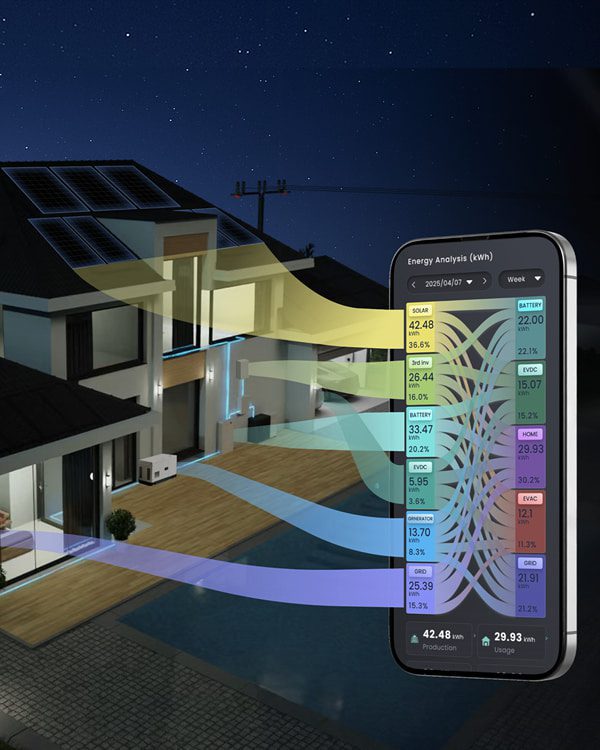
How Does Smart Energy Management Work? Quick Answers to Your Solar Questions Get a Free Quote! Buyer’s Guide Solar Knowledge Base ❓ Quick Answer Smart energy management automatically controls how solar energy is produced, stored, and used throughout your home. Instead of requiring constant attention from the homeowner, the system continuously analyses energy production and consumption, helping ensure solar power is used as efficiently as possible. What Is Smart Energy Management? Modern Off-Grid Solar Systems do much more than generate electricity. Intelligent energy management helps coordinate: Solar panel production Battery charging and discharging Household electricity consumption Overall system performance The goal is to make the best possible use of every unit of energy your system produces. Why Is It Important? Without intelligent energy management, a solar system would simply generate electricity without considering how or when it is needed. A smart system automatically balances energy production and storage, helping homeowners make better use of the electricity they generate themselves. What Happens Automatically? Depending on the system configuration, smart energy management can: Prioritise solar energy for household use Store surplus electricity in the battery Supply stored energy when solar production decreases Monitor energy flow throughout the day Optimise overall system performance All of this happens automatically in the background. ✅ Before You Decide Ask your installer: ✔ Does the system include intelligent energy management? ✔ Can I monitor energy flow in real time? ✔ Does the battery operate automatically? ✔ Will the system adapt to changing household energy demand? These features can improve both convenience and long-term efficiency. Why Automation Makes a Difference One of the biggest advantages of a modern energy system is that homeowners do not need to constantly adjust settings. Instead, the system automatically responds to changing conditions throughout the day. This allows you to focus on enjoying the benefits of solar energy rather than managing the technology. Intelligent Energy Management with Sigenergy At SolarCity Cyprus, we install Sigenergy systems with advanced energy management technology. These systems help homeowners: Maximise the use of solar energy Optimise battery charging and discharging Monitor performance in real time Manage energy through a simple mobile app Adapt to changing household energy requirements This intelligent automation helps improve both convenience and overall system efficiency. Common Mistakes Thinking Smart Energy Management Requires Constant Adjustment Modern systems are designed to operate automatically with minimal homeowner involvement. Ignoring Energy Usage Patterns Understanding when your home uses the most electricity can help you get even more value from your solar system. Choosing a System Without Smart Monitoring Real-time information makes it much easier to understand and optimise your household’s energy use. 💡 Expert Tip The smartest solar system isn’t the one with the most features—it’s the one that quietly works in the background every day. Reliable automation is one of the greatest advantages of modern energy storage systems. 📘 Did You Know? Many homeowners are surprised by how little they need to interact with their solar system after installation. Intelligent energy management handles most day-to-day decisions automatically while keeping them informed through a mobile app. Conclusion Smart energy management helps modern Off-Grid Solar Systems operate efficiently by automatically balancing solar production, battery storage, and household electricity use. This intelligent approach improves convenience, maximises the use of renewable energy, and helps homeowners enjoy greater energy independence. At SolarCity Cyprus, we install Sigenergy systems with advanced energy management technology, allowing homeowners to benefit from intelligent automation, real-time monitoring, and reliable long-term performance. Frequently Asked Questions Does smart energy management work automatically? Yes. Modern systems continuously monitor and optimise energy production and storage without requiring manual adjustments. Can I still monitor the system myself? Absolutely. Homeowners can view real-time performance and historical data through the mobile app. Does smart energy management improve battery performance? Intelligent battery management helps ensure the battery is charged and discharged efficiently as part of the overall system operation. Is smart energy management difficult to use? No. Most of the optimisation happens automatically, while the mobile app provides clear and simple information. Why does SolarCity Cyprus use Sigenergy? SolarCity Cyprus installs Sigenergy because its intelligent energy management platform, advanced Battery Management System, real-time monitoring, and user-friendly mobile app help homeowners maximise the performance of their Off-Grid Solar System. 🔗 Related Articles Smart Home & Energy Management Can I Monitor My Solar System on My Phone? Can I Control My Solar System Remotely? Can My Solar System Send Alerts? Batteries Do Home Batteries Need Maintenance? How Much Battery Capacity Do I Need? Costs & Savings Will an Off-Grid Solar System Reduce My Electricity Bills? Is the Cheapest Solar System Always the Best Choice? Related Articles All Posts Costs & Savings Off-Grid Solar System Solar Buyer's Guide Solar FAQ Academy Solar System Installation How Does Smart Energy Management Work? October 12, 2026/ Can I Control My Solar System Remotely? Quick Answers to Your Solar Questions Get a Free Quote! Buyer’s Guide Solar… Read More Can I Control My Solar System Remotely? October 11, 2026/ Can I Control My Solar System Remotely? Quick Answers to Your Solar Questions Get a Free Quote! Buyer’s Guide Solar… Read More Can I Monitor My Solar System on My Phone? October 9, 2026/ Can I Monitor My Solar System on My Phone? Quick Answers to Your Solar Questions Get a Free Quote! Buyer’s… Read More Is the Cheapest Solar System the Best Choice? October 8, 2026/ Is the Cheapest Solar System Always the Best Choice? Quick Answers to Your Solar Questions Get a Free Quote! Buyer’s… Read More What Affects the Cost of an Off-Grid Solar System? October 8, 2026/ What Affects the Cost of an Off-Grid Solar System? Quick Answers to Your Solar Questions Get a Free Quote! Buyer’s… Read More Will an Off-Grid Solar System Reduce My Electricity Bills? October 7, 2026/ Will an Off-Grid Solar System Reduce My Electricity Bills? Quick Answers to Your Solar Questions Get a Free Quote! Buyer’s… Read More Does Solar Increase Home Value? October 5, 2026/ Can Solar Energy Increase My Home’s
Can I Control My Solar System Remotely?
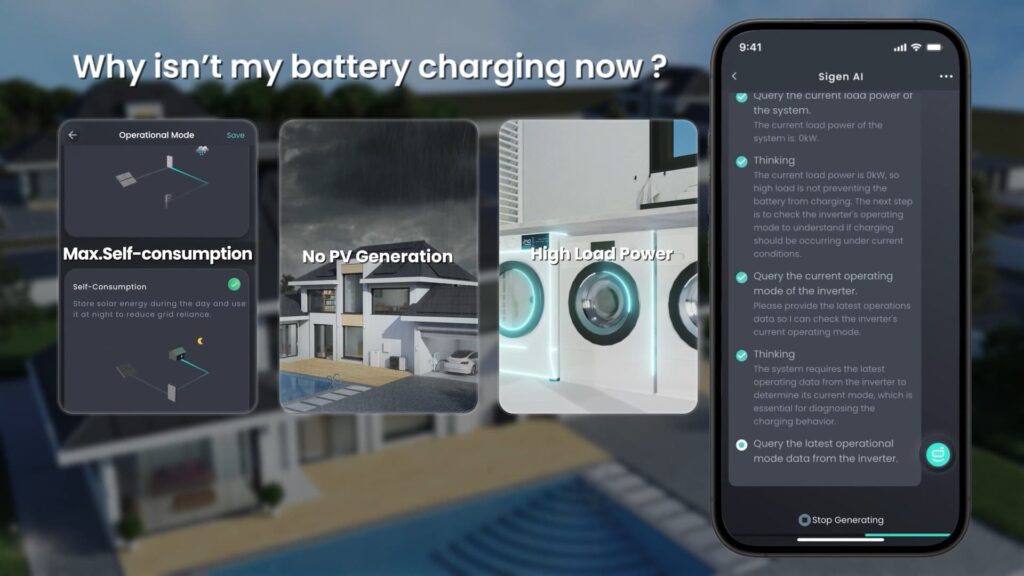
Can I Control My Solar System Remotely? Quick Answers to Your Solar Questions Get a Free Quote! Buyer’s Guide Solar Knowledge Base ❓ Quick Answer Yes. Many modern Off-Grid Solar Systems allow homeowners to manage and monitor their systems remotely using a smartphone or tablet. Depending on the equipment installed, you can check system performance, review battery status, monitor energy flow, and receive important system notifications from almost anywhere. Why Is Remote Control Useful? You don’t have to be at home to know how your solar system is performing. Whether you’re at work, travelling, or simply away for the weekend, remote access allows you to stay connected with your energy system whenever you need it. This gives homeowners greater confidence and peace of mind. What Can You Do Remotely? Depending on your system, you may be able to: View live solar energy production Check battery charge and discharge levels Monitor household electricity consumption Review historical energy data Receive system notifications Check the overall system status The exact features depend on the equipment and software platform. ✅ Before You Decide Before choosing a solar system, ask your installer: ✔ Does the system include remote access? ✔ Is the mobile app easy to use? ✔ Can I monitor both the battery and solar production? ✔ Will I receive alerts if the system detects unusual conditions? Having these features makes day-to-day energy management much simpler. Remote Access Makes Everyday Energy Management Easier Smart monitoring allows homeowners to better understand how energy is being generated and used. For example, you can: Check battery charge before arriving home. See whether your solar panels are generating electricity. Review your daily energy production. Track long-term system performance. This information helps you make better decisions about your household’s energy use. Smart Control with Sigenergy At SolarCity Cyprus, we install Sigenergy systems with an intelligent mobile platform that gives homeowners convenient remote access. Using the app, homeowners can: Monitor solar generation in real time View battery performance Track household energy usage Review historical statistics Receive important system notifications Everything is presented through a simple, user-friendly interface. Common Mistakes Assuming Remote Control Means Manual Operation Most modern solar systems manage themselves automatically. Remote access is primarily designed to keep homeowners informed about system performance. Never Reviewing Performance Data Occasionally checking the app helps you better understand how your system operates throughout the day. Ignoring Notifications If the system reports an alert, it’s always a good idea to contact your installer for advice. 💡 Expert Tip Remote access is most valuable when you use it to understand your energy habits—not just to check battery percentage. Reviewing your production and consumption patterns can help you make better use of your solar energy. 📘 Did You Know? Many homeowners check their solar app as often as they check the weather. Watching your system generate clean electricity in real time is one of the most satisfying parts of owning an Off-Grid Solar System. Conclusion Remote control and monitoring make modern solar systems easier to manage than ever before. Instead of wondering how your system is performing, you can access key information whenever you need it and stay connected to your home’s energy production from almost anywhere. At SolarCity Cyprus, we install Sigenergy systems that combine intelligent energy management, real-time monitoring, and convenient remote access to help homeowners get the most from their Off-Grid Solar System. Frequently Asked Questions Can I control my solar system while travelling? Yes. Most modern monitoring platforms allow secure remote access through a smartphone or tablet. Can I see my battery status remotely? Yes. The app usually displays battery charge, charging activity, and other important information. Will I receive notifications if something changes? Many systems can send alerts when unusual operating conditions are detected. Does remote access require technical knowledge? No. Modern apps are designed with simple dashboards that are easy for homeowners to use. Why does SolarCity Cyprus use Sigenergy? SolarCity Cyprus installs Sigenergy because its intelligent monitoring platform, real-time energy management, and user-friendly mobile application allow homeowners to stay connected with their solar system wherever they are. 🔗 Related Articles Smart Home & Energy Management Can I Monitor My Solar System on My Phone? How Does Smart Energy Management Work? Can My Solar System Send Alerts? Batteries Do Home Batteries Need Maintenance? Do Home Batteries Work During Power Cuts? Costs & Savings Will an Off-Grid Solar System Reduce My Electricity Bills? What Affects the Cost of an Off-Grid Solar System? Related Articles All Posts Costs & Savings Off-Grid Solar System Solar Buyer's Guide Solar FAQ Academy Solar System Installation Can I Control My Solar System Remotely? October 11, 2026/ Can I Monitor My Solar System on My Phone? Quick Answers to Your Solar Questions Get a Free Quote! Buyer’s… Read More Can I Monitor My Solar System on My Phone? October 9, 2026/ Can I Monitor My Solar System on My Phone? Quick Answers to Your Solar Questions Get a Free Quote! Buyer’s… Read More Is the Cheapest Solar System the Best Choice? October 8, 2026/ Is the Cheapest Solar System Always the Best Choice? Quick Answers to Your Solar Questions Get a Free Quote! Buyer’s… Read More What Affects the Cost of an Off-Grid Solar System? October 8, 2026/ What Affects the Cost of an Off-Grid Solar System? Quick Answers to Your Solar Questions Get a Free Quote! Buyer’s… Read More Will an Off-Grid Solar System Reduce My Electricity Bills? October 7, 2026/ Will an Off-Grid Solar System Reduce My Electricity Bills? Quick Answers to Your Solar Questions Get a Free Quote! Buyer’s… Read More Does Solar Increase Home Value? October 5, 2026/ Can Solar Energy Increase My Home’s Value? Quick Answers to Your Solar Questions Get a Free Quote! Buyer’s Guide Solar… Read More Solar System Payback Time October 3, 2026/ How Long Does It Take to Recover the Cost of an Off-Grid Solar System? Quick Answers to Your Solar Questions… Read More Is an Off-Grid Solar System Worth It?